

Maddy summaryHB 28, the "Gun Violence Prevention Act," creates a new criminal offense for individuals convicted of a felony who possess a firearm or "weapon of mass death and destruction" (as defined in state law) during the commission or attempt of another felony. It imposes stricter penalties: a Class C felony if the weapon is discharged, Class D for brandishing (displaying the weapon), and Class F for other violations. This law applies specifically to convicted felons who already face restrictions on firearm possession, treating this additional offense as separate from the underlying felony. The bill takes effect December 1, 2025, for offenses committed on or after that date.
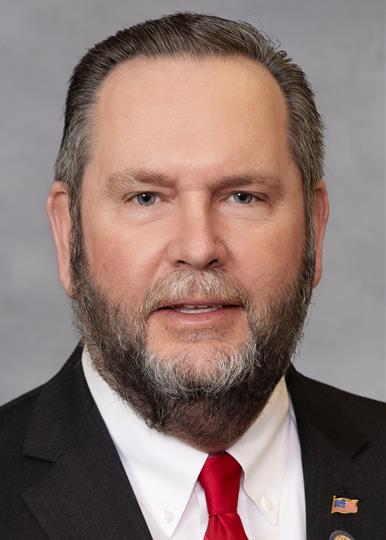
Rep. Alan Branson
Sponsored bills
Maddy summaryHB 37 standardizes monthly pension benefits for North Carolina firefighters and rescue squad workers under the state pension fund. It sets a uniform $175 monthly pension for members with 20+ years of service who reach age 55, replaces the previous $180 amount, and maintains $175 for disability benefits and line-of-duty death benefits. The bill also allows members affected by city annexations or department closures to continue contributing $15 monthly until they reach 20 years of service for pension eligibility. These changes apply to current and future members of the pension fund who meet the service requirements. The bill does not alter contribution rates or eligibility for most members but adjusts benefit amounts and extends certain provisions.
Maddy summaryHB 425 raises North Carolina's legal sales age for all tobacco products, including vaping devices and e-liquids, from 18 to 21. It directly affects retailers (who must obtain a tobacco sales permit) and youth (who are prohibited from purchasing these products). The bill requires retailers to verify purchasers' ages using accepted ID and mandates inspections of retail locations to enforce compliance, with penalties including fines up to $1,000 for violations.
Maddy summaryHB 35 designates November of each year as Military Appreciation Month in North Carolina. The bill creates a symbolic recognition within state law, honoring military service members and veterans during this month. It does not establish new programs, funding, or requirements - it simply formally names November for this purpose. The bill affects the state government's official calendar and public recognition efforts, with no direct impact on individuals or organizations.
Maddy summaryHB 411 reduces the early voting period for primary elections in North Carolina from 17 days to 6 days. The bill requires counties to conduct early voting for primaries within a six-day window ending on the last Saturday before the election, affecting voters participating in primary elections. This change applies to all primary elections (including runoffs) and takes effect January 1, 2026. The bill does not alter early voting periods for general elections or municipal elections, which maintain separate rules.
Maddy summaryHB 62, the Farmers Protection Act, prohibits banks from denying or canceling financial services to farmers based on their greenhouse gas emissions, fertilizer use, or machinery type. It creates a rebuttable presumption that banks violating this rule are acting on ESG (environmental, social, governance) commitments, requiring banks to prove decisions were financially motivated. Banks must annually attest to compliance under penalty of perjury, and violations may result in civil penalties up to $10,000 per incident. The law directly affects farmers, banks, credit unions, and state financial associations by restricting discriminatory lending practices tied to environmental factors.
Maddy summaryHB 182 creates two key policy changes: First, it allows judges to issue lifetime no-contact orders against defendants convicted of certain violent offenses (including sex offenses requiring registration), requiring a show-cause hearing to determine if the victim fears future contact. Second, it clarifies that caregivers of children under 16 who commit or allow sexual acts with the child face Class D felony charges, specifically expanding penalties for permitting such abuse. The law directly affects victims of violent crimes (through the no-contact protections) and caregivers of children under 16 (through updated felony charges for sexual abuse). These provisions apply to offenses committed on or after December 1, 2025.
Maddy summaryHB 375 bans the use of deceptive AI-generated videos or audio (deepfakes) in political campaigns within 90 days of an election, unless they include clear disclosures. It requires creators to audibly state "Contains content generated by AI" at the start/end of audio content (and every 2 minutes if longer) and display visible disclosures throughout visual content. The bill directly affects political campaigns and sponsors creating synthetic media during election periods, aiming to prevent voter deception. It also prohibits fabricated intimate images of minors and defines terms like "digital impersonation" to clarify prohibited content. The law focuses on election integrity, not general social media use.
Maddy summaryHB 137, the "Gabe Torres Act," expands death benefits under North Carolina's Public Safety Employees' Death Benefits Act to include public safety workers (like police, fire, and emergency personnel) who are killed while traveling to or from work. The bill amends the law to define "official duties" to explicitly cover commuting between home and work, as well as travel for training or responding to emergencies. It also appropriates $300,000 in recurring funds for these expanded benefits, effective July 1, 2025. This change directly affects eligible families of covered public safety employees who die during work-related travel, ensuring they qualify for death benefits previously limited to on-duty incidents.
Maddy summaryHB 276 expands the definition of "killed in the line of duty" for firefighters to include deaths caused by specific cancers that previously qualified them for benefits under North Carolina's Firefighters' Cancer Insurance Program. The bill adds seven specific cancers (like mesothelioma and testicular cancer) to the list and includes any cancer diagnosis that already provided benefits under the existing program. It also formally links the Firefighters' Health Benefits Pilot Program to the Cancer Insurance Program, ensuring consistent coverage, and appropriates $2 million annually for related death benefits starting July 1, 2025. This change directly affects firefighters diagnosed with covered cancers and their families, who will now qualify for death benefits under the Public Safety Employees' Death Benefits Act.