

Maddy summaryHB 787 establishes a matching program for North Carolina residents contributing to the Parental Savings Trust Fund (a 529 program) and creates a tax deduction for such contributions. It provides a 2:1 state match (up to $1,500 per student annually) for eligible contributors - North Carolina residents with household income under 250% of the federal poverty level who open accounts for children aged 14 or younger. The bill also allows a state tax deduction of up to $2,000 per individual ($4,000 for joint filers) for contributions to the fund, with rules to adjust income if funds are withdrawn for non-education purposes. These changes aim to boost college savings for lower-income families, with the matching program starting July 1, 2025, and the tax deduction effective January 1, 2026.
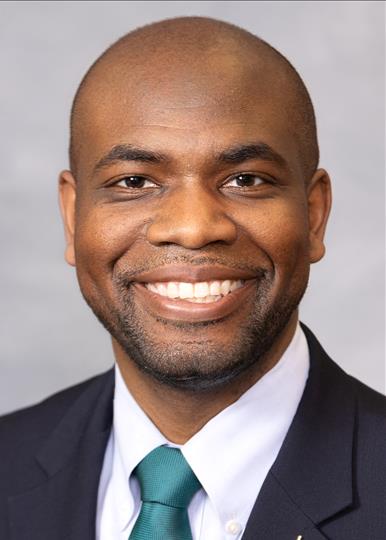
Rep. Allen Buansi
Sponsored bills
Maddy summaryHB 798 appropriates $1.72 million annually from the General Fund to create a Cold Weather Shelters Grant Program, administered by the Department of Health and Human Services, Division of Aging. The program provides grants to municipalities and nonprofits to establish or expand temporary emergency shelters for people experiencing homelessness during severe weather events. Grants are limited to $215,000 per recipient annually, with selection considering poverty rates in the service area and existing funding availability. Recipients must report annually on shelter usage, funds spent, and the number of people served, starting in 2027.
Maddy summaryHB 786, the "Working Families Act," reduces child care costs for low-income families by lowering parent copayments from 10% to 7% of income (effective 2025), reinstates a refundable state child tax credit with income-based payments (effective 2025), and phases up North Carolina’s minimum wage to $15/hour by 2030 with annual inflation adjustments. It also increases income limits for property tax relief, creates a homebuyers’ assistance program for public servants (like firefighters and EMTs) as first-time buyers, and establishes a paid family leave insurance program funded through an employer grant program. The bill directly affects working families, hourly workers, public-sector employees, and households using subsidized child care or property tax relief. Key mechanisms include phased wage increases, income-tiered tax credits, and targeted housing support, all designed to reduce financial strain on low-to-moderate-income households.
Maddy summaryHB 766 appropriates $1.87 million to fund expanded Teen Mental Health First Aid (tMHFA) training for North Carolina high school students in grades 9-12 (ages 14-18). The bill directly affects students by providing evidence-based training to help them recognize, understand, and respond to peers' mental health and substance use challenges. Key provisions include funding for the Department of Health and Human Services to scale up tMHFA programs statewide, building on a pilot that trained 1,519 teens and showed a 50% increase in teens' willingness to seek adult support. The training focuses on connecting peers to trusted adults during crises, addressing high rates of unmet mental health needs among teens (64% don’t seek help, per the bill’s rationale).
Maddy summaryHB 688 creates a dedicated annual appropriation of $100,000 from the state General Fund to the Parks and Recreation Trust Fund specifically for inclusive playground projects. It directly affects local governments, public schools, and public authorities (as defined in state law) seeking to build or adapt playgrounds to meet the needs of people with disabilities. The bill provides grants of up to $5,000 per project, requiring recipients to match each $5 in state funds with $1 in local funds. This funding operates separately from other Trust Fund allocations, ensuring dedicated resources for accessibility improvements without reducing existing funding for state parks or coastal access. The bill becomes effective July 1, 2025.
Maddy summaryHB 713 mandates that all North Carolina public schools provide free breakfast and lunch to every student, eliminating meal fees for all. This affects every student enrolled in public schools, including those in charter schools and regional school units, starting with the 2025-2026 school year. The bill appropriates $144 million from the state General Fund to cover costs, with funds allocated based on school size, student eligibility for free/reduced meals, and nutritional quality standards. Schools must comply with federal nutrition guidelines while using state funds to supplement, not replace, existing meal program funding.
Maddy summaryHB 725, the "MOMnibus 3.0," establishes a state grant program to address preventable maternal health disparities affecting Black birthing people in North Carolina. The bill directs the Department of Health and Human Services to award competitive grants ($10,000-$50,000 per recipient) to community-based organizations focused on improving maternal health outcomes for Black women. Key provisions require grantees to address social barriers (like housing, transportation, and nutrition), provide culturally respectful care training for health workers, and offer services including mental health support, doula care, and evidence-based education. The program specifically prioritizes Black-led organizations serving communities with high maternal health disparities, aiming to reduce preventable deaths and complications through targeted community support.
Maddy summaryHB 715 appropriates $13.3 million annually from the General Fund to expand access to North Carolina's Prekindergarten (NC Pre-K) program for eligible children. The funding, allocated to the state's child development agency, will create additional program slots for children seeking enrollment starting July 1, 2025. This bill directly affects low-income 4-year-olds who qualify for the NC Pre-K program by increasing available spots through dedicated state funding. The legislation focuses solely on providing financial resources for program expansion, with no changes to eligibility criteria or program structure.
Maddy summaryHB 682 allows North Carolina to override federal restrictions that block food and cash assistance (TANF) for people convicted of certain drug-related felonies. It directly affects individuals with Class H or I controlled substance felony convictions who complete substance abuse treatment (while incarcerated or in the community) and avoid new drug offenses for six months. The bill requires counties to offer food and cash benefits to eligible individuals who meet these conditions, making treatment participation a requirement for accessing aid. This change aims to support successful reintegration by removing a barrier to basic needs assistance for this group.
Maddy summaryHB 668 establishes a program to expand free tax preparation assistance in North Carolina through two key components. It allocates $1.38 million (including $790,000 nonrecurring and $610,000 recurring annually) to fund community colleges to create tax preparation courses and paid work-study opportunities for students, enabling them to become IRS-certified VITA (Volunteer Income Tax Assistance) preparers. Additionally, it appropriates $840,000 to the United Way of North Carolina to increase VITA locations, hire staff, provide multilingual resources, and offer financial education. The bill directly helps low-income North Carolinians (earning under $67,000 annually, with disabilities, or limited English proficiency) who qualify for the federal Earned Income Tax Credit but often miss claiming it, by expanding access to free tax filing services starting July 1, 2025.