

Maddy summaryHB 1052 allocates $1 million from the state's General Fund to Forsyth County in the Triad region for the 2026-2027 fiscal year. These nonrecurring funds are designated as a directed grant specifically for the Cure Violence Program, which aims to reduce violence in the area. The legislation becomes effective on July 1, 2026, and does not alter existing laws but provides new financial resources for this specific initiative.
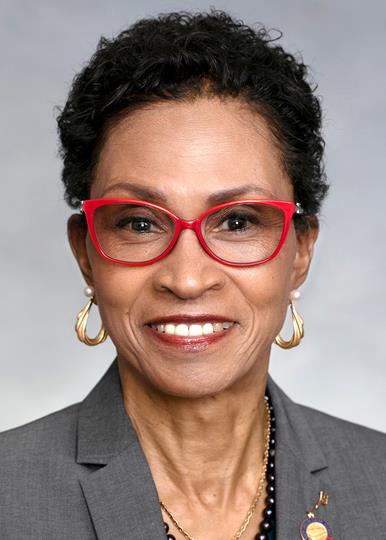
Rep. Renée Price
Sponsored bills
Maddy summaryThis bill establishes strict conditions under which North Carolina law enforcement agencies can enter into agreements with federal immigration authorities, requiring that federal agents adhere to specific state laws and operational limits. Key provisions mandate that federal agents must be clearly identified, cannot conduct enforcement near schools or polling places, and generally cannot enter homes or use surveillance technology without a valid judicial warrant. Additionally, the legislation requires a judicial warrant for any federal immigration enforcement action within the state, with exceptions only for valid criminal warrants. To support local implementation, the bill also appropriates $40 million to counties for hiring additional law enforcement and corrections personnel.
Maddy summaryHB 1057, known as the Affordable Food Act, aims to improve food security in North Carolina by expanding access to nutritious food and supporting local agriculture. The bill authorizes the state to request a federal waiver to create a program that matches SNAP benefits for purchases of fruits, vegetables, and other healthy foods at retailers and farmers markets. It also allocates state funding to administer these incentive programs and covers potential administrative losses due to recent federal changes to SNAP. Additionally, the legislation seeks to protect agricultural land from development and prohibits dynamic pricing in grocery stores to stabilize food costs.
Maddy summaryThis bill, known as the Plyler Educational Protections Act, ensures that all children in North Carolina public schools receive equal access to education regardless of their immigration status or their parents' citizenship. It prohibits schools from denying enrollment, excluding students from programs, or asking for documentation related to a student's or parent's immigration history, with limited exceptions for legal warrants or parental consent. To enforce these protections, the legislation requires schools to create specific action plans that designate a single point of contact for immigration authorities and establish clear procedures for handling their requests on campus. Additionally, the bill mandates that schools notify parents within 24 hours if immigration officials visit the school and provides guidelines for sharing student information only when legally required or authorized.
Maddy summaryThis bill establishes new salary schedules for public school teachers and principals in North Carolina effective for the 2026-2027 fiscal year. It sets specific monthly pay rates for teachers based on years of experience and adds bonuses for those with advanced certifications or degrees, while also adjusting compensation for school support staff like nurses and counselors. Principals will receive annual salaries determined by their school's student enrollment and performance growth scores over the previous three years. Additionally, the legislation enhances sick leave benefits for state employees and provides a cost-of-living adjustment for certain retirees.
Maddy summaryThis bill aims to improve the connection between the court system and mental health services in North Carolina to reduce unnecessary jail time. It directs state agencies to create training for judges and staff on spotting mental health risks and to build a framework for sending court-involved individuals to treatment instead of detention. The legislation also updates legal standards for determining when someone is a danger to others and provides funding to support these new programs and data-sharing systems.
Maddy summaryHB 1036 directs $1.7 million in state funds to Caswell County to help replace the Casville Volunteer Fire Department's facility. The money will be given as a one-time grant specifically for this construction project and will become available on July 1, 2026. This legislation affects the Caswell County government and the volunteer firefighters who use the current building.
Maddy summaryThis bill proposes a constitutional amendment that would withhold the salaries and allowances of North Carolina General Assembly members if the legislature fails to pass a state budget by June 30. Under the proposed change, legislators would not receive any pay from July 1 until a budget is officially ratified or the current legislative term ends, whichever happens first. The amendment is currently in the process of being submitted to voters for approval at the November 2026 election. If approved by a majority of voters, the rule would become permanent law; if rejected, it will have no effect.
Maddy summaryThis bill allocates $10 million in recurring funds to the North Carolina Department of Military and Veterans Affairs to support Disabled American Veterans (DAV) chapters. The money will be distributed as grants to eligible nonprofit DAV chapters across the state for renovating and expanding their facilities or providing additional resources to disabled veterans. Each chapter can receive up to $1 million per fiscal year, and the department will aim to select applicants from all regions of the state. The legislation also requires annual reports detailing the number of grants awarded, the specific chapters involved, and the amounts given, with the program becoming effective on July 1, 2026.
Maddy summaryHB 1017 aims to improve teacher quality and availability in North Carolina by creating new roles, funding recruitment programs, and launching studies to address workforce challenges. The bill directs the state to develop a comprehensive plan for reforming teacher licensing and compensation to attract more educators, while also studying how to better prepare and graduate 5,000 in-state teachers annually. Significant funding is allocated to support existing and new teacher recruitment initiatives, such as "Grow-Your-Own" programs and the Teaching Fellows loan program, specifically targeting high-need schools and subjects like special education and STEM. Additionally, the legislation mandates a study to coordinate recruitment efforts between universities and local school districts to ensure a more efficient statewide system.