

Maddy summaryHB 65 authorizes North Carolina's Division of Motor Vehicles to issue a special license plate for members of the Sigma Gamma Rho Sorority. The plate would display the sorority's symbol, name, and motto "Greater Service, Greater Progress" on vehicles owned by registered members. This bill adds the Sigma Gamma Rho plate to the existing list of special registration plates under state law. It does not change vehicle fees or impose new requirements, simply expanding plate options available to eligible sorority members.
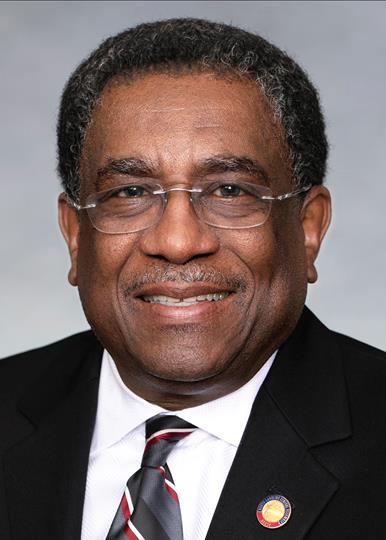
Rep. Garland Pierce
Sponsored bills
Maddy summaryHB 39 excludes motor vehicles owned by veterans with a 100% disability rating certified by the U.S. Department of Veterans Affairs from North Carolina property tax. It amends state tax law to add these vehicles as a designated exempt class under G.S. 105-275. The exclusion applies to vehicles registered on or after January 1, 2026. This policy directly affects eligible disabled veterans who own motor vehicles, reducing their property tax burden. The bill does not change eligibility criteria or tax rates for other vehicle classes.
Maddy summaryHB 36 requires North Carolina's Department of Veterans and Military Affairs to improve maintenance at all four state veterans cemeteries, directly affecting veterans' families and cemetery operations. The bill mandates addressing specific issues like headstone installation delays, equipment damage to graves, drainage problems, debris, and poor grounds appearance, while allowing military groups to volunteer for upkeep. It also directs the department to review and adjust funeral service policies, including chapel-only options, service duration, attendee limits, and grave visitation rules during services. The department must submit a report on these changes to legislative committees by October 1, 2025.
Maddy summaryThis bill authorizes the North Carolina Division of Motor Vehicles to study and potentially implement digital mobile driver's licenses that function as legal supplements to physical cards. It also clarifies that ignition interlock devices are required for individuals with habitual impaired driving convictions or specific high-BAC offenses, expanding the scope of this safety measure. Additionally, the legislation increases fees for acknowledging signatures on official documents and clarifies the limited circumstances under which transporter plates can be used for moving truck cabs and bodies. These changes aim to modernize licensing options, enhance safety enforcement, and adjust administrative costs for the state.
Maddy summaryThis bill amends the state constitution to eliminate the literacy test requirement for voting. By removing this specific provision, the legislation ensures that all eligible citizens can vote regardless of their reading or writing abilities. The change directly affects voters who previously might have been disenfranchised by this barrier. It does not alter other voting qualifications or the overall structure of the election process.
Maddy summaryThis bill establishes a new Transportation Emergency Reserve fund of $125 million to help North Carolina cover costs during major disasters, with funds accessible only after a federal declaration and subject to strict reporting requirements. It also creates a pilot program allowing the Department of Transportation to use a specific "Progressive Design-Build" procurement method for up to five projects under $500 million, where contractors are selected based on qualifications before finalizing costs. Additionally, the legislation authorizes the department to increase the project cap for this pilot program, enabling larger infrastructure initiatives to be tested under this new delivery system.
Maddy summaryThis amendment to House Bill 207 requires school principals or their designated representatives to accept detailed eyewitness accounts of incidents that could lead to student suspensions. The bill mandates that these accounts be submitted by the end of the school day following the incident, though they can still be accepted after that deadline. Eyewitness testimony can be provided in writing or orally, with the requirement that any oral statements be transcribed into writing by the school official. This change directly affects school administrators and students by formalizing the process for collecting immediate witness statements during disciplinary investigations.