

Maddy summaryHB 60 increases Medicaid dental reimbursement rates from 35% to 46% of average dentist charges (2023 rates) to align with neighboring states. The bill allocates $52 million annually from North Carolina's General Fund, matched by $95 million in federal funds, to cover this rate increase starting July 1, 2025. It directly affects dentists who accept Medicaid patients and Medicaid beneficiaries seeking dental care, aiming to boost provider participation and prevent costly emergency treatments. The change addresses years of stagnant rates that reduced dental provider enrollment in Medicaid.
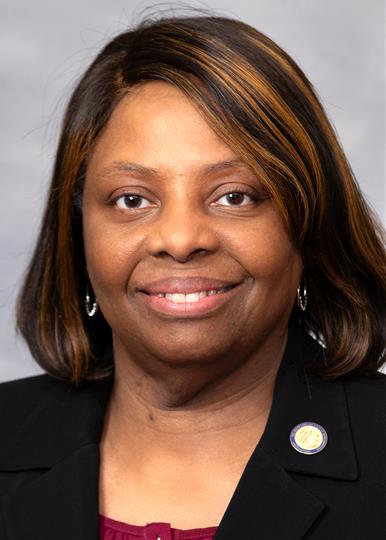
Rep. Frances Jackson
Sponsored bills
Maddy summaryHB 39 excludes motor vehicles owned by veterans with a 100% disability rating certified by the U.S. Department of Veterans Affairs from North Carolina property tax. It amends state tax law to add these vehicles as a designated exempt class under G.S. 105-275. The exclusion applies to vehicles registered on or after January 1, 2026. This policy directly affects eligible disabled veterans who own motor vehicles, reducing their property tax burden. The bill does not change eligibility criteria or tax rates for other vehicle classes.
Maddy summaryHB 55 appropriates $250,000 annually from the General Fund to the Department of Health and Human Services for the Autism Society of North Carolina's IGNITE Program. The funds will support activities and education groups designed to help young adults with autism develop independence and social skills during their transition to adulthood. This recurring funding applies to the 2025-2027 fiscal biennium and becomes effective July 1, 2025. The bill directly affects the Autism Society of North Carolina and the young adults with autism it serves through the IGNITE Program.
Maddy summaryHB 54 allocates $125,000 annually from the General Fund (2025-2027) to fund training programs developed by the NC Association of People Supporting Employment First (NC APSE). The training, delivered via online modules, will help employers, service providers, and other entities support individuals with serious mental illness, intellectual disabilities, or developmental disabilities in finding and keeping competitive jobs. It focuses on evidence-based supported employment practices to improve job placement and retention. The bill directly affects individuals with these disabilities and the organizations that serve them, with training available statewide starting July 1, 2025.
Maddy summaryHB 36 requires North Carolina's Department of Veterans and Military Affairs to improve maintenance at all four state veterans cemeteries, directly affecting veterans' families and cemetery operations. The bill mandates addressing specific issues like headstone installation delays, equipment damage to graves, drainage problems, debris, and poor grounds appearance, while allowing military groups to volunteer for upkeep. It also directs the department to review and adjust funeral service policies, including chapel-only options, service duration, attendee limits, and grave visitation rules during services. The department must submit a report on these changes to legislative committees by October 1, 2025.
Maddy summaryHB 10 establishes a bipartisan committee to study modernizing North Carolina's travel allowances for state employees, teachers, and officials like legislators. The seven-member committee - appointed by legislative leaders and the governor - will examine federal reimbursement rates, consult with hospitality and HR experts, and review historical travel policies. It must submit recommendations to lawmakers by March 15, 2026, but does not change current allowance amounts. This is a procedural study bill, not a policy change.
Maddy summaryHB 20, the "Fair Maps Act," proposes amending the North Carolina Constitution to establish an independent redistricting process. It would create a Citizens Redistricting Commission to redraw congressional and state legislative districts after each federal census, removing the General Assembly and Governor from the process. The bill requires districts to be contiguous, avoid splitting counties, and ensure equal population representation, with changes taking effect only after voter approval in 2026. This directly affects all North Carolina voters by changing how electoral districts are drawn for state and federal offices. The amendment must be ratified by voters in November 2026 before it becomes effective.
Maddy summaryThe Disaster Recovery Act of 2024 establishes two separate state funds to manage financial relief for damage caused by Hurricane Helene and Potential Tropical Cyclone #8. The first fund, for Hurricane Helene, is restricted to counties declared major disasters by the federal government plus Nash County, while the second fund is dedicated exclusively to Brunswick and New Hanover Counties. Both funds are administered by the Office of State Budget and Management and require state agencies to justify expenses based on demonstrated needs. Additionally, the bill extends the statewide state of emergency declaration until March 1, 2025, to support ongoing recovery efforts. Any unspent money in these funds must be returned to the state treasury by June 30, 2030, unless the General Assembly decides otherwise.
Maddy summaryThis amendment to House Bill 900 modifies regulations regarding the sale of tobacco products in North Carolina. It requires retailers to have 30 days after a manufacturer is removed from the state directory to either sell remaining inventory or return the products for a refund. This change directly affects tobacco retailers and distributors by providing a specific timeframe to manage stock when a brand is no longer authorized for sale.
Maddy summaryThis bill authorizes the University of North Carolina system to finance specific capital improvement projects using non-state funds, such as gifts, grants, and hospital receipts, rather than taxpayer money from the General Fund. The legislation allows the universities to issue revenue bonds or special obligation bonds to cover the costs of renovations at East Carolina University, dormitory upgrades at Fayetteville State University, and new infrastructure and research buildings at UNC Chapel Hill and UNC Wilmington. A key provision permits the Director of the Budget to adjust project costs or funding methods if deemed necessary in the state's best interest. Ultimately, the bill enables these institutions to proceed with construction and renovation plans without requiring additional appropriations from the state legislature.