

Maddy summaryHB 884 increases the gross receipts threshold for artisanal bakeries to remain exempt from North Carolina's sales tax on prepared foods. Specifically, it raises the annual revenue limit from $1.8 million to $2.4 million (combined with related persons), while maintaining the requirement that bakeries derive over 80% of revenue from bakery items like bread, pastries, and cakes. This change directly affects small bakeries that previously exceeded the $1.8 million limit but now qualify for tax exemption under the new threshold. The bill modifies existing tax law (G.S. 105-164.13B) to expand the exemption to more small bakeries, effective October 1, 2025.
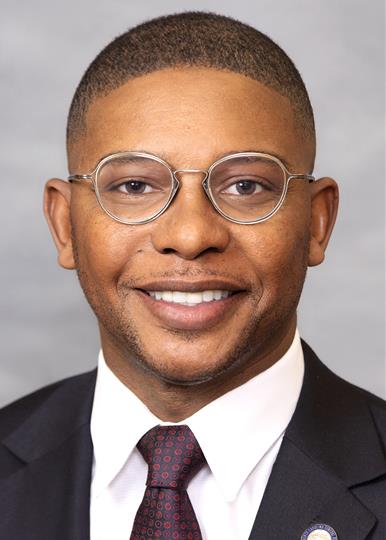
Rep. Mike Colvin
Sponsored bills
Maddy summaryHB 950 would modify North Carolina's property tax relief for elderly and disabled homeowners by raising the age requirement from 65 to 70, eliminating income eligibility requirements, and expanding the tax exclusion to cover 100% of a home's appraised value. Currently, applicants must be 65 or older (or disabled), meet income limits, and occupy the home as a primary residence; the bill removes income caps and requires applicants to be 70 or older. This means qualifying homeowners would pay no property tax on their primary residence under the new rules, as the entire home value would be excluded. The changes would take effect for tax years beginning July 1, 2026.
Maddy summaryHB 916 strengthens North Carolina's Do Not Call and Do Not Text Registry by requiring telemarketers to remove registered numbers from their contact lists within 30 business days when a resident requests no further calls, reducing the previous timeframe from 60 days. It directly affects North Carolina residents who have registered their phone numbers and telemarketers operating in the state, including partner companies. Key provisions include clarifying that "telephone solicitation" covers text messages and automated calls, and holding companies jointly liable if they accept sales leads generated by illegal telemarketing calls. The bill updates state law to align with federal telemarketing rules and enforce stricter compliance.
Maddy summaryThis bill establishes the Free to Learn Library Bill of Rights Act in North Carolina to protect residents' rights to access information, maintain privacy, and participate in library services without discrimination or undue restriction. It applies to all public libraries, including their online services and digital resources, and outlines specific rights such as unrestricted access to materials regardless of viewpoint, protection from surveillance and intimidation, confidentiality of library records, and fair access for all patrons regardless of personal characteristics. The legislation also includes anti-retaliation protections for library employees and volunteers who report violations, requires regional library systems to document compliance, and mandates strict data privacy practices for online usage tracking. Additionally, the bill appropriates funds to support implementation and directs the State Library to provide model language for interlocal agreements to ensure consistent compliance across the state.
Maddy summaryHB 957 creates a study committee to examine infrastructure challenges at North Carolina's HBCUs and MSIs, including building conditions, environmental risks, and maintenance needs. It establishes a $5 million Completion Assistance Program to provide up to $1,000 annually per student at six UNC HBCUs (Elizabeth City State, NC A&T, UNC Asheville, UNC Greensboro, UNC Pembroke, and Winston-Salem State) for tuition/fee balances, targeting students with Pell Grants who need financial aid to graduate on time. The bill also allocates specific infrastructure funds, including $5.1 million for Winston-Salem State's Hauser Hall renovations and $8 million for emergency steam repairs. These provisions directly affect students and campus facilities at the six designated institutions through financial aid and physical infrastructure support.
Maddy summaryHB 979 updates North Carolina's system for volunteer advocates supporting nursing home residents. It requires nursing homes to not impede designated volunteer ombudsman representatives who help residents report concerns without fear of retaliation. The bill formalizes that these volunteers must be certified and designated by the State Long-Term Care Ombudsman Program, and establishes new rules for community advisory committees in counties with nursing homes. This directly affects nursing home residents, facilities, and the state's oversight program by strengthening resident advocacy mechanisms.
Maddy summaryHB 974 requires North Carolina's Department of Health and Human Services (DHHS) to study how hospice care facilities handle complaints from patients and families. The study will analyze complaint data, engage hospice administrators and care associations, and identify common issues and best practices for improving complaint procedures, investigations, communication, and family involvement. DHHS must submit findings and recommendations to legislative committees by April 2026, focusing on actionable steps for hospice facilities to enhance accountability. This bill does not change current laws but mandates a review to inform future policy.
Maddy summaryHB 978 establishes the North Carolina Commission on Youth Mentoring within the Department of Health and Human Services to administer grants supporting local youth mentoring programs. The bill allocates $1.5 million annually from 2025-2027 to fund small-to-medium nonprofit organizations providing mentoring services, with specific goals to increase quality mentoring, reduce youth safety risks, and strengthen community connections. The Commission, composed of 15 appointed members including youth participants and community representatives, will manage the grant program, develop application processes, and submit annual reports on funding distribution and social impact to legislative committees. This legislation directly affects North Carolina-based youth mentoring nonprofits and aims to expand accessible, high-quality mentoring opportunities for young people across the state.
Maddy summaryHB 984 creates a framework for medical cannabis research in North Carolina, permitting studies on cannabis as a treatment for qualifying medical conditions. It establishes a state database requiring research institutions (like hospitals or universities), physicians, caregivers, and patients to register, while setting strict product limits (under 0.9% THC, at least 5% CBD). The bill protects registered researchers, caregivers, and patients from prosecution for participating in approved studies and requires secure disposal of unused cannabis. It directly affects medical researchers, healthcare providers issuing certifications, and patients enrolled in these studies, but does not legalize recreational use or broader medical access.
Maddy summaryHB 989 creates a statewide grant program to improve school safety in North Carolina public schools. It provides funding for three specific purposes: (1) crisis services for students (like therapy and family support), (2) evidence-based training for staff on trauma response and suicide prevention, and (3) safety equipment purchases (such as bullet-resistant glass, alarms, and security systems). Grants must supplement, not replace, existing school safety funding, and charter schools can now receive equipment grants. The program limits annual spending to $350,000 per grant category and prioritizes equipment like exterior door locks and active shooter alarms.