

Maddy summaryHB 1059 establishes a new state minimum wage of $15.00 per hour in North Carolina, which will automatically increase each year based on inflation starting in 2027. The bill creates the North Carolina Wage Board to review wage competitiveness and allows local governments to set their own higher minimum wages if they choose. It also introduces a short-time compensation program to help businesses manage layoffs during economic downturns and sets a lower minimum wage of $11.00 for small businesses with annual revenue under $400,000. Additionally, the legislation maintains existing provisions for subminimum wages for students, individuals with disabilities, and seasonal food service workers while clarifying rules around tip credits and pooling.
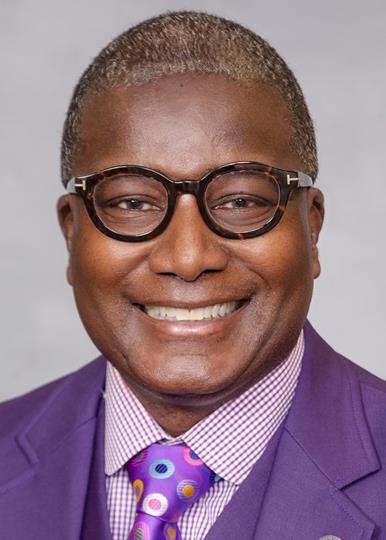
Rep. James Roberson
Sponsored bills
Maddy summaryHB 1047, the North Carolina Microplastics Study Act, directs the North Carolina Collaboratory at the University of North Carolina at Chapel Hill to study the presence and impacts of microplastics in the state's waterways. Funded with $150,000 for the 2026-2027 fiscal year, the bill requires the Collaboratory to identify plastic particles, assess their environmental and health risks, and develop strategies to prevent future pollution and reverse existing harm. The Collaboratory must work with state agencies and stakeholders to create a prioritized research plan and standardized detection methods, ultimately submitting a comprehensive report with findings and policy recommendations by July 1, 2027.
Maddy summaryThis bill requires the North Carolina Attorney General to investigate any incidents within the state involving federal immigration enforcement that result in serious bodily injury or death. The law defines federal immigration enforcement to include agents from Customs and Border Protection and Immigration and Customs Enforcement, as well as local officers authorized to perform immigration duties. Upon completing an investigation, the Attorney General must publicly release findings and recommendations while protecting the identities of victims and minors, and must also provide copies to state legislative leaders. To support these investigations, the bill appropriates $450,000 in state funds for the 2026-2027 fiscal year and applies to incidents occurring after the law takes effect.
Maddy summaryHB 1057, known as the Affordable Food Act, aims to improve food security in North Carolina by expanding access to nutritious food and supporting local agriculture. The bill authorizes the state to request a federal waiver to create a program that matches SNAP benefits for purchases of fruits, vegetables, and other healthy foods at retailers and farmers markets. It also allocates state funding to administer these incentive programs and covers potential administrative losses due to recent federal changes to SNAP. Additionally, the legislation seeks to protect agricultural land from development and prohibits dynamic pricing in grocery stores to stabilize food costs.
Maddy summaryThis bill, known as the Plyler Educational Protections Act, ensures that all children in North Carolina public schools receive equal access to education regardless of their immigration status or their parents' citizenship. It prohibits schools from denying enrollment, excluding students from programs, or asking for documentation related to a student's or parent's immigration history, with limited exceptions for legal warrants or parental consent. To enforce these protections, the legislation requires schools to create specific action plans that designate a single point of contact for immigration authorities and establish clear procedures for handling their requests on campus. Additionally, the bill mandates that schools notify parents within 24 hours if immigration officials visit the school and provides guidelines for sharing student information only when legally required or authorized.
Maddy summaryThis bill establishes new salary schedules for public school teachers and principals in North Carolina effective for the 2026-2027 fiscal year. It sets specific monthly pay rates for teachers based on years of experience and adds bonuses for those with advanced certifications or degrees, while also adjusting compensation for school support staff like nurses and counselors. Principals will receive annual salaries determined by their school's student enrollment and performance growth scores over the previous three years. Additionally, the legislation enhances sick leave benefits for state employees and provides a cost-of-living adjustment for certain retirees.
Maddy summaryThis bill aims to improve the connection between the court system and mental health services in North Carolina to reduce unnecessary jail time. It directs state agencies to create training for judges and staff on spotting mental health risks and to build a framework for sending court-involved individuals to treatment instead of detention. The legislation also updates legal standards for determining when someone is a danger to others and provides funding to support these new programs and data-sharing systems.
Maddy summaryThis bill allocates $10 million in recurring funds to the North Carolina Department of Military and Veterans Affairs to support Disabled American Veterans (DAV) chapters. The money will be distributed as grants to eligible nonprofit DAV chapters across the state for renovating and expanding their facilities or providing additional resources to disabled veterans. Each chapter can receive up to $1 million per fiscal year, and the department will aim to select applicants from all regions of the state. The legislation also requires annual reports detailing the number of grants awarded, the specific chapters involved, and the amounts given, with the program becoming effective on July 1, 2026.
Maddy summaryThis bill creates a special license plate for the Sigma Gamma Rho Sorority in North Carolina and updates the fees and fund distributions for several other plates associated with the Divine Nine, a group of historically Black fraternities and sororities. The new plate will display the sorority's symbol, name, and its motto, "Greater Service, Greater Progress," while owners will pay a $20 additional fee on top of the standard registration cost. Money collected from these special plates is split between state funds and specific organizations, with the bill directing quarterly transfers to the educational foundations of Alpha Kappa Alpha, Delta Sigma Theta, Kappa Alpha Psi, Phi Beta Sigma, and Sigma Gamma Rho. Additionally, the legislation organizes the list of all available special plates alphabetically to improve clarity.
Maddy summaryHB 1031 mandates that all public schools in North Carolina, including charter and laboratory schools, provide free breakfast and lunch to every student starting in the 2026-2027 school year. The bill requires the State Board of Education to allocate state funds based on factors like school size, student eligibility for free meals, and the quality of food served, while ensuring these funds supplement rather than replace existing resources. An initial appropriation of $116 million is designated to support this program, with the legislation taking effect on July 1, 2026.