

Maddy summaryHB 755 provides a sales tax exemption for qualifying North Carolina nonprofits, including hospitals, federally tax-exempt community organizations, volunteer fire departments, and university-affiliated groups. To qualify, nonprofits must obtain a state sales tax exemption number, with annual limits of $31.7 million for state tax and $13.3 million for local tax. The exemption covers most goods and services purchased for nonprofit activities but excludes electricity, telecommunications, alcohol, and certain other items. Real property contractors must provide documentation to retailers when buying materials for nonprofit projects to ensure proper tax treatment.
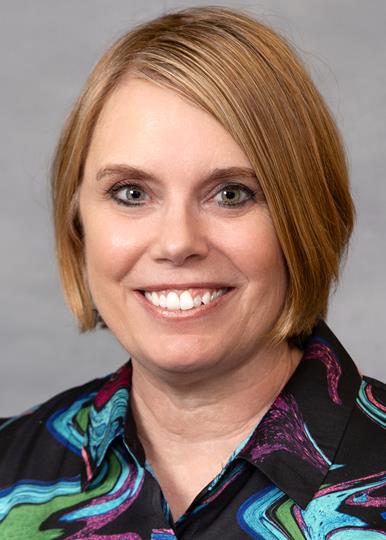
Rep. Julie von Haefen
Sponsored bills
Maddy summaryHB 733, the "Everybody Eats Act," would allow North Carolina to bypass federal rules that block food assistance benefits for people convicted of certain drug-related felony offenses (Class H or I). It requires individuals to complete substance abuse treatment or avoid new drug offenses for six months after release or conviction to qualify for benefits, and extends the period for renewing eligibility from less than a year to 12 months. The bill directly affects formerly incarcerated individuals with specific drug felony convictions who meet treatment or offense-free conditions. It makes no changes to federal law but adjusts North Carolina's program implementation for food assistance and temporary aid.
Maddy summaryHB 713 mandates that all North Carolina public schools provide free breakfast and lunch to every student, eliminating meal fees for all. This affects every student enrolled in public schools, including those in charter schools and regional school units, starting with the 2025-2026 school year. The bill appropriates $144 million from the state General Fund to cover costs, with funds allocated based on school size, student eligibility for free/reduced meals, and nutritional quality standards. Schools must comply with federal nutrition guidelines while using state funds to supplement, not replace, existing meal program funding.
Maddy summaryHB 725, the "MOMnibus 3.0," establishes a state grant program to address preventable maternal health disparities affecting Black birthing people in North Carolina. The bill directs the Department of Health and Human Services to award competitive grants ($10,000-$50,000 per recipient) to community-based organizations focused on improving maternal health outcomes for Black women. Key provisions require grantees to address social barriers (like housing, transportation, and nutrition), provide culturally respectful care training for health workers, and offer services including mental health support, doula care, and evidence-based education. The program specifically prioritizes Black-led organizations serving communities with high maternal health disparities, aiming to reduce preventable deaths and complications through targeted community support.
Maddy summaryHB 730 requires North Carolina state agencies to provide information about services in the five most common non-English languages spoken by residents, as determined by the latest U.S. Census data. It directs agencies to submit English materials to the Department of Administration for translation into those languages, with specific guidance for "Chinese" (using Mandarin unless Cantonese is requested). The bill allocates nearly $5.5 million in recurring funds for translation services and mandates that translated materials be published alongside English versions starting January 1, 2027. This directly affects state agencies responsible for public services and aims to improve access for non-English-speaking residents.
Maddy summaryHB 732 requires permits and a 72-hour waiting period for purchasing assault weapons or long guns, prohibits sales to those under 21 for semi-automatic firearms, and bans bump stocks, ghost guns, and certain high-capacity magazines. It mandates safe firearm storage, repeals "stand your ground" laws, and requires firearm liability insurance for owners. The bill also prohibits leaving firearms unattended in vehicles, mandates reporting lost/stolen guns, and directs the state pension fund to divest from gun manufacturers. These provisions directly affect all firearm purchasers and owners in North Carolina.
Maddy summaryHB 715 appropriates $13.3 million annually from the General Fund to expand access to North Carolina's Prekindergarten (NC Pre-K) program for eligible children. The funding, allocated to the state's child development agency, will create additional program slots for children seeking enrollment starting July 1, 2025. This bill directly affects low-income 4-year-olds who qualify for the NC Pre-K program by increasing available spots through dedicated state funding. The legislation focuses solely on providing financial resources for program expansion, with no changes to eligibility criteria or program structure.
Maddy summaryHB 665 creates the Public School Disaster Preparedness Fund to help North Carolina schools in high-risk natural disaster areas improve or replace vulnerable buildings. The fund, starting with $25 million for 2025-2026, requires schools to submit disaster preparedness plans detailing structural risks and improvement costs before receiving funding. Approved projects must meet state-set preparedness standards, with schools reporting annually on fund use and progress. The Department of Public Instruction administers applications on a rolling basis, requiring unanimous approval from the State Board of Education for disbursements.
Maddy summaryHB 683 expands North Carolina's property tax exclusion for disabled veterans by removing the $45,000 cap and excluding the **entire appraised value** of a qualifying veteran's primary residence from property taxes. It directly affects **disabled veterans** (with VA-certified service-connected disabilities) and their **unremarried surviving spouses**, who previously could only exclude the first $45,000 of their home's value. The bill requires the state to **reimburse local governments** for lost tax revenue through a "hold harmless amount" calculated by multiplying the excluded value by the local tax rate, with counties reporting this by September 1 and receiving funds by December 31 annually. This change takes effect for taxes due in 2026 and ensures no net revenue loss for local governments.
Maddy summaryHB 691, the "Voter Protection and Reliance Act," ensures voters' ballots are counted based on election-day rules by prohibiting the exclusion of valid ballots cast under procedures in place on election day. It requires courts and election officials to apply election rules as they existed on election day, not later changes, and mandates that technical registration errors (like incomplete forms) cannot invalidate a ballot if the voter relied on the process. The bill also creates expedited court procedures for election challenges filed within 90 days before an election or after an election concludes, directing such cases to Wake County Superior Court for faster resolution. This directly affects voters, election officials, and courts by prioritizing ballot integrity based on election-day procedures over post-election interpretations.