

Maddy summaryHB 151 permits Wake County Schools to align their academic calendar with the schedule of local community colleges, removing the standard requirement that schools open no earlier than the Monday closest to August 26 and close no later than the Friday closest to June 11. This specifically applies only to Wake County Schools and takes effect for the 2025-2026 school year. The bill modifies existing law to allow this calendar alignment without needing a "good cause" waiver for weather-related closures. It directly affects Wake County students, staff, and community colleges by creating a coordinated academic schedule.
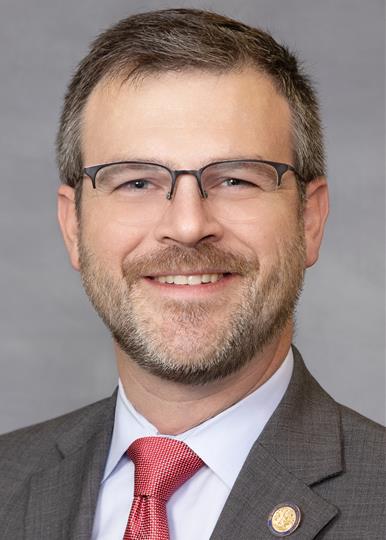
Rep. Mike Schietzelt
Sponsored bills
Maddy summaryThis bill proposes repealing a literacy test requirement from the North Carolina Constitution, which would affect all voters by removing a historical barrier to voting. The amendment must be approved by voters in the November 2026 election, with the ballot explicitly stating: "Constitutional amendment to remove the literacy test requirement... The federal Voting Rights Act of 1965 prohibits implementation of this requirement." If approved, the change takes effect upon certification by the State Board of Elections. The bill does not alter current voting procedures, as the literacy test has been prohibited by federal law since 1965.
Maddy summaryHB 76, titled "Protect Access to Assisted Reproductive Technology," establishes legal protections for patients and healthcare providers regarding fertility treatments. The bill prohibits North Carolina or its local governments from banning, unreasonably limiting, or interfering with patients' access to assisted reproductive technology (ART) - including in vitro fertilization (IVF) - or healthcare providers' ability to offer evidence-based information or perform ART services. Key provisions define "assisted reproductive technology" broadly and clarify that the law does not override existing health and safety regulations for medical facilities. This directly affects individuals seeking fertility care and healthcare providers offering such services within North Carolina. The bill does not create new funding or services but ensures state-level barriers cannot restrict access to these medical treatments.
Maddy summaryHB 60 increases Medicaid dental reimbursement rates from 35% to 46% of average dentist charges (2023 rates) to align with neighboring states. The bill allocates $52 million annually from North Carolina's General Fund, matched by $95 million in federal funds, to cover this rate increase starting July 1, 2025. It directly affects dentists who accept Medicaid patients and Medicaid beneficiaries seeking dental care, aiming to boost provider participation and prevent costly emergency treatments. The change addresses years of stagnant rates that reduced dental provider enrollment in Medicaid.