

Maddy summaryHB 60 increases Medicaid dental reimbursement rates from 35% to 46% of average dentist charges (2023 rates) to align with neighboring states. The bill allocates $52 million annually from North Carolina's General Fund, matched by $95 million in federal funds, to cover this rate increase starting July 1, 2025. It directly affects dentists who accept Medicaid patients and Medicaid beneficiaries seeking dental care, aiming to boost provider participation and prevent costly emergency treatments. The change addresses years of stagnant rates that reduced dental provider enrollment in Medicaid.
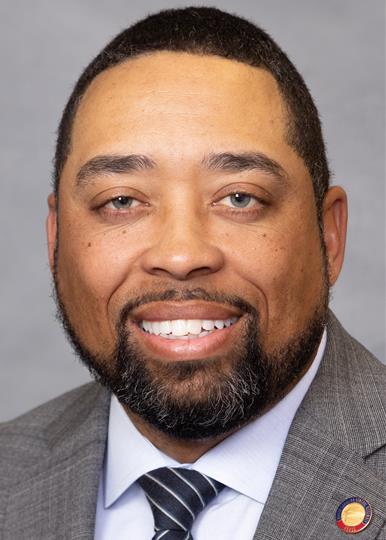
Rep. Ray Jeffers
Sponsored bills
Maddy summaryHB 39 excludes motor vehicles owned by veterans with a 100% disability rating certified by the U.S. Department of Veterans Affairs from North Carolina property tax. It amends state tax law to add these vehicles as a designated exempt class under G.S. 105-275. The exclusion applies to vehicles registered on or after January 1, 2026. This policy directly affects eligible disabled veterans who own motor vehicles, reducing their property tax burden. The bill does not change eligibility criteria or tax rates for other vehicle classes.
Maddy summaryHB 20, the "Fair Maps Act," proposes amending the North Carolina Constitution to establish an independent redistricting process. It would create a Citizens Redistricting Commission to redraw congressional and state legislative districts after each federal census, removing the General Assembly and Governor from the process. The bill requires districts to be contiguous, avoid splitting counties, and ensure equal population representation, with changes taking effect only after voter approval in 2026. This directly affects all North Carolina voters by changing how electoral districts are drawn for state and federal offices. The amendment must be ratified by voters in November 2026 before it becomes effective.
Maddy summaryThis bill amends the state constitution to eliminate the literacy test requirement for voting. By removing this specific provision, the legislation ensures that all eligible citizens can vote regardless of their reading or writing abilities. The change directly affects voters who previously might have been disenfranchised by this barrier. It does not alter other voting qualifications or the overall structure of the election process.
Maddy summaryThis bill officially renames the 2023 budget law to the "Current Operations Appropriations Act of 2024" and updates funding levels for the state's education system. It directly affects various institutions, including public universities, community colleges, and the University of North Carolina system, by specifying the exact amounts of state money they will receive for the 2024-2025 fiscal year. The legislation details how much money each entity gets after accounting for their own income, ensuring the state allocates its resources according to the approved budget plan.
Maddy summaryThis bill directs the North Carolina Policy Collaboratory to conduct a study on how proposed changes to the county tier designation system would affect the state's 100 counties. The study will examine potential adjustments to the criteria for ranking counties, the method used to assign tiers, and the timeline for these rankings. It will also assess how these changes impact state programs, business operations, and the accuracy of identifying distressed areas using current data. Funded with $100,000, the Collaboratory must submit a preliminary report by December 31, 2024, and a final report by December 1, 2025, to legislative oversight committees.