

Maddy summaryThis bill, known as the Second Amendment Financial Privacy Act, prohibits payment card networks from using special codes to track purchases of firearms or ammunition at merchants in North Carolina. It also bans these networks from maintaining records that identify individuals who own firearms within the state. The law applies to entities that process electronic payments, such as credit card companies, but excludes federally insured banks and credit unions. If a payment network violates these rules, the Attorney General can impose fines of up to $10,000 per violation, and affected merchants or customers can sue for similar damages plus legal fees. The legislation aims to prevent the surveillance of lawful gun purchases and ensure that firearms merchants are not discriminated against based on their business type.
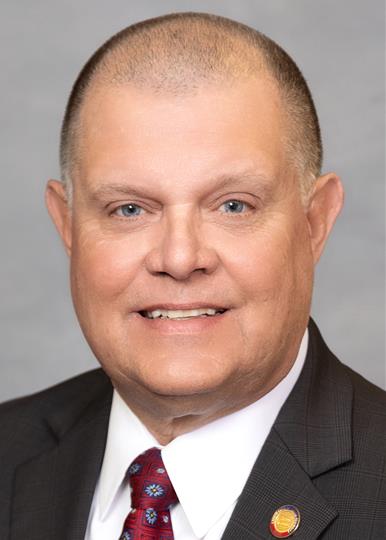
Rep. Charlie Miller
Sponsored bills
Maddy summaryThis bill removes a specific parcel of land, identified as Lot 47 in Section 24 of Boiling Spring Lakes, from the official city limits. The change means the property will no longer be subject to municipal taxes starting with the taxable year beginning July 1, 2024. The legislation also clarifies that any outstanding tax liens or special assessments on this land before the effective date remain valid and can still be collected. Finally, the act takes effect on June 30, 2024.
Maddy summaryThis bill, titled the Health Care Omnibus, introduces several changes to North Carolina's healthcare regulations. It requires doctors and pharmacists to inform patients receiving opioid prescriptions about the risks of overdose, prevention methods, and the availability of reversal drugs. Additionally, the legislation clarifies that Medicaid benefits will continue for a limited time after individuals are released from prison or other incarceration facilities. The bill also expands access to mental health services by allowing reciprocal licensing for marriage and family therapists, reducing regulatory hurdles for master's level psychologists, and encouraging the use of tribal health facilities.
Maddy summaryThis bill creates a new legal process allowing property owners to request the immediate removal of unauthorized individuals from residential homes by contacting their local sheriff. To use this process, the owner must file a sworn complaint stating that the person is not a tenant or resident, has been asked to leave, and that no valid lease exists, after which the sheriff must act within 24 hours. The legislation also increases penalties for willful damage to residential property and prohibits fraudulent rental advertisements while requiring all leases to be in writing. Property owners who incorrectly use this removal process could face civil lawsuits, including triple damages based on the rent and legal fees.
Maddy summaryThis bill establishes new rules for companies in North Carolina that boot or tow vehicles from private property without the owner's consent. It requires these businesses to obtain an annual permit and maintain a public database that logs details about each tow, including the reason for removal and the fees charged. Private property owners must display specific signs at parking lot entrances listing the towing company's contact information and fees before any vehicle can be removed. The legislation also sets limits on how far a towed vehicle can be transported and prohibits booting cars that are currently occupied. Additionally, it clarifies that residential properties with four or fewer units are exempt from the mandatory signage requirements.
Maddy summaryHB 1042 establishes a reimbursement program in North Carolina to help cover veterinary expenses for retired law enforcement and correctional dogs. To qualify, the dogs must have served in official capacities such as detection, apprehension, or search and rescue and hold certification from a national organization. Owners can apply for up to $1,500 annually for essential care like check-ups, vaccinations, emergency surgeries, and euthanasia, but not for elective procedures. The Department of Public Safety will manage a dedicated fund, initially seeded with $300,000, to process these claims and maintain records. The law applies to dogs retiring on or after July 1, 2024, and allows owners to participate voluntarily without affecting any other existing benefits.
Maddy summaryThis North Carolina bill establishes a legal mechanism to hold manufacturers of per- and polyfluoroalkyl substances (PFAS) financially responsible for cleaning up contaminated drinking water. It defines "responsible parties" as companies that produce PFAS chemicals and orders them to pay for the actual costs public water systems incur to remove or fix contamination that exceeds safety limits. If a manufacturer refuses to pay, the state can take legal action in court to enforce the order, and the bill allows water systems to lower future customer rates if they recover these costs. The legislation also creates a special fund with initial funding to support implementation and requires the state to report annually on how these funds and enforcement orders are used.