

Maddy summaryThis bill, known as the Curriculum Honesty, Compliance, and Child Safety Act, establishes new rules for North Carolina public schools regarding parental rights and curriculum content. It requires schools to obtain parental consent before changing a student's name or gender designation in records and mandates that parents be notified before their child receives counseling related to sexuality or gender identity. Additionally, the legislation prohibits any instruction on gender identity or sexual activity in grades kindergarten through fourth grade, with exceptions only for answering student-initiated questions. The bill also creates mechanisms for enforcement, allowing parents to sue schools for violations and authorizing state auditors to investigate noncompliance.
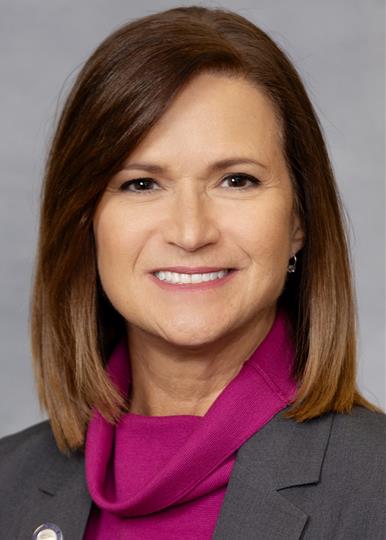
Rep. Celeste Cairns
Sponsored bills
Maddy summaryThis bill allows parents of students in private schools to use their education savings accounts to pay for one-on-one classroom aides, provided the aide is not a family member or school employee. It also updates the rules for these accounts by clarifying which specific services and expenses are eligible for funding and which are not. The legislation further allocates state funds to increase scholarship amounts for children of wartime veterans and to create new scholarships for them starting in the 2026-2027 school year. These changes apply to the North Carolina Personal Education Student Account program and the Children of Wartime Veterans Scholarship Program.
Maddy summaryThis bill repeals the authority for North Carolina counties to collect a one percent local sales tax on groceries, effectively exempting food from these local taxes. By removing the option for voters to approve this specific tax, the legislation directly affects county governments and consumers who currently pay this surcharge on food purchases. The change applies to sales made on or after October 1, 2026, and does not alter the existing state sales tax rules.
Maddy summaryHB 491 prepares North Carolina's Medicaid program to implement work requirements if authorized by the federal Centers for Medicare and Medicaid Services (CMS). It requires the state's Division of Health Benefits to negotiate with CMS, notify oversight committees within 30 days of starting talks, and submit detailed reports after CMS approves any work requirements plan. The bill does not enact work requirements itself but establishes procedures for future implementation, including timelines for reporting funding needs. This would directly affect current Medicaid recipients if CMS approves work requirements, though the bill is procedural and conditional on federal approval. The legislation is currently in committee review and has not yet become law.
Maddy summaryHB 118 modifies North Carolina's property tax exemption for disabled veterans, replacing a flat $45,000 exclusion with a percentage-based system tied to the veteran's VA disability rating. It directly affects veterans with a 50% or higher service-connected disability rating (or surviving spouses under specific conditions), allowing them to exclude a portion of their home's appraised value from property taxes - equal to their disability percentage. For example, a veteran with a 70% disability rating would exclude 70% of their home's value from taxes. The bill takes effect for taxes due in 2025 and prohibits combining this relief with other property tax exemptions.
Maddy summaryThis bill revises North Carolina's burglary and breaking-and-entering laws to increase penalties when a firearm or deadly weapon is used. It raises the felony classification by one level for offenses like burglary (first/second degree), breaking out of a dwelling at night, or entering a building with intent to commit a felony or terrorize occupants, if a weapon was present during the crime. The law directly affects individuals convicted of these specific offenses when a firearm was involved, not the general public. It does not change sentencing for weapon-free offenses or address police pay, despite the title "Back the Blue Pay Act" suggesting otherwise. The changes take effect December 1, 2025.
Maddy summaryHB 402 requires North Carolina state agencies to assess the financial impact of proposed permanent rules. If a rule would cost affected individuals or businesses $20 million or more over five years, it must be approved by the General Assembly before taking effect. For rules with a $1 million or more annual cost impact, agencies must prepare a fiscal note for review by the Office of State Budget and Management. The bill also mandates a two-thirds vote by agency boards to adopt rules exceeding the $1 million cost threshold. This directly affects state agencies creating regulations and the businesses or residents who would bear the costs of those rules.
Maddy summaryHB 992 creates a new foreclosure process for timeshare owners in North Carolina who fall behind on assessments. It requires managing entities to provide a 30-day written notice detailing delinquency amounts before denying timeshare use or canceling reservations. The bill allows managing entities to rent out the delinquent owner's timeshare to cover unpaid assessments, applying rental proceeds toward the debt while requiring reasonable efforts to secure rentals. It also establishes a lien on the timeshare for unpaid assessments from the due date. The bill additionally references changes to paternity procedures for children born out of wedlock, though specific details on this provision are not provided in the text.
Maddy summaryHB 210 establishes minimum standards for the care and maintenance of licensed cemeteries in North Carolina, directly affecting cemetery operators and license holders. The bill requires the Cemetery Commission to set these standards - covering tasks like grass cutting, grave upkeep, and facility repairs - and allows the Commission to impose $50 civil penalties for violations, with a 10-day notice period before penalties apply. It also mandates annual reports from cemetery companies detailing all care and maintenance work performed, using forms provided by the Commission. These provisions aim to ensure consistent upkeep of cemetery properties while holding operators accountable for compliance.
Maddy summaryHB 928 allows physical therapists licensed in North Carolina to evaluate student athletes for concussions and provide written clearance for returning to play or practice after a head injury during school sports. It directly affects student athletes in North Carolina public schools who exhibit concussion symptoms during athletic activities. The bill amends existing law to specifically include licensed physical therapists as authorized professionals (alongside doctors and other specialists) who can assess head injuries and issue the required written clearance. This change expands the pool of qualified healthcare providers available for school concussion protocols without altering the core requirement that athletes must be cleared before returning to sports.