

Maddy summaryHB 688 creates a dedicated annual appropriation of $100,000 from the state General Fund to the Parks and Recreation Trust Fund specifically for inclusive playground projects. It directly affects local governments, public schools, and public authorities (as defined in state law) seeking to build or adapt playgrounds to meet the needs of people with disabilities. The bill provides grants of up to $5,000 per project, requiring recipients to match each $5 in state funds with $1 in local funds. This funding operates separately from other Trust Fund allocations, ensuring dedicated resources for accessibility improvements without reducing existing funding for state parks or coastal access. The bill becomes effective July 1, 2025.
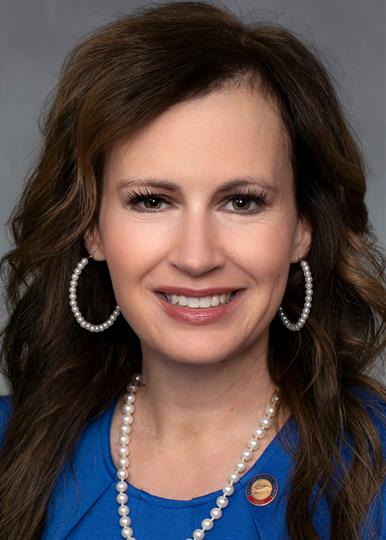
Rep. Tricia Cotham
Sponsored bills
Maddy summaryThis bill would regulate hemp-derived consumable products (like edibles, vapes, and beverages) by requiring retailers to obtain permits, limiting THC content to 0.3%, and mandating age verification for all sales. It directly affects vape shops, gas stations, convenience stores, and online sellers currently selling these products to minors. The law creates new enforcement rules for the Commission, requiring proof of age (e.g., driver's license) and banning sales to anyone under 21.
Maddy summaryHB 744 establishes a three-year fertility preservation pilot program (2025-2032) using $2.25 million annually to help cancer patients who face financial barriers to fertility treatments. It directly affects individuals diagnosed with cancer or undergoing cancer treatment who are uninsured, have limited insurance coverage for fertility services, or would pay over $1,000 out-of-pocket, including those with household incomes below 300% of the federal poverty level. The program covers up to $12,000 for egg preservation/storage (women), $1,500 for sperm preservation (men), and $26,000 for IVF/IUI procedures, administered by three designated North Carolina medical centers. Grantees must report annually on services provided and program effectiveness, with funds expiring June 30, 2032.
Maddy summaryHB 710 establishes a three-year pilot program to fund mental health crisis units in North Carolina public schools. It allocates $2 million total (up to $250,000 annually per district) to select up to eight school districts starting in 2025-2026, prioritizing those with high student mental health needs or trauma history. Each participating district must staff units with at least a school nurse, social worker, and licensed counselor to provide crisis intervention during school hours and rotate across schools. The program requires annual reports on participating districts and student mental health impacts, ending June 30, 2028.
Maddy summaryHB 300 establishes a program to reimburse owners of retired first responder dogs for veterinary care. It directly affects owners of canines that served with law enforcement, fire departments, or correctional agencies in roles like narcotics detection or search and rescue, after retiring on or after July 1, 2024. The bill requires registration of the dog and owner with the Department of Public Safety, then allows reimbursement of up to $1,500 annually for covered care - including routine check-ups, vaccinations, emergencies, surgeries, and euthanasia. Owners must submit itemized vet bills within 90 days of service.
Maddy summaryHB 426 establishes the Workforce Diploma Program to help North Carolina adults aged 21+ without high school diplomas earn diplomas while gaining job skills. The program requires approved providers to offer courses combining diploma requirements with career training, including employability certifications and industry credentials. Participants receive milestone-based funding up to $7,500 per person, with payments tied to completing half-credits, certifications, or diplomas. The program mandates annual reports tracking participant outcomes like diplomas earned, credits, and workforce credentials. It appropriates $5 million for implementation starting July 2025.
Maddy summaryHB 621 appropriates $1.5 million from North Carolina's General Fund for the 2025-2026 fiscal year to provide a directed grant to Safe Alliance, Inc. for its Umbrella Center in Charlotte. The funds will directly support the center's services for victims of domestic violence, sexual assault, child abuse, elder abuse, and human trafficking by enabling additional land acquisition and a deceleration lane. The bill requires the funds to be used specifically for expanding these victim services and infrastructure. It becomes effective July 1, 2025, and is currently pending in the House Appropriations Committee.
Maddy summaryHB 611 requires North Carolina public schools to increase full-time assistant principal positions based on student enrollment, directly affecting all local school districts. It mandates funding to achieve specific student-to-assistant-principal ratios: 1:90 students in the 2025-2026 school year ($23.56 million) and 1:80 students starting in 2026-2027 ($57.57 million), with funds supplementing but not replacing existing budgets. The bill, effective July 2025, directs the Department of Public Instruction to allocate these funds through the school building administration allotment. This policy change aims to support school operations and develop future principals by expanding administrative staffing.
Maddy summaryHB 571 appropriates $500,000 from the state General Fund to the Department of Public Safety for a grant program treating police officers diagnosed with PTSD. It directly affects North Carolina police officers who have received a clinical PTSD diagnosis. The key provision establishes a state-funded grant program to cover treatment costs, with funds allocated for the 2025-2026 fiscal year. The program becomes effective July 1, 2025, and focuses solely on providing financial support for treatment, not on expanding eligibility or altering diagnosis standards.
Maddy summaryHB 566 establishes a competitive grant program to support North Carolina's Principal Fellows Program, directly affecting school leader preparation programs and future principals. It provides forgivable scholarship loans to participants in these programs (repaid only if they don’t work in North Carolina schools) and grants to eligible entities to develop innovative principal training methods. The bill sets specific grant terms, including 2-6 year durations for loan programs and 1-year terms for innovation grants, with funding capped at $250,000 per recipient annually. Recipients must report on key metrics like program completers’ placement rates in high-need schools and their performance evaluations. The program also allocates funds for administrative costs and program monitoring, requiring public sharing of non-identifiable materials to promote best practices.