

Maddy summaryHB 1197 updates the North Carolina Teaching Fellows Program by increasing forgivable loan amounts for future students and establishing stricter criteria for selecting partner teacher training institutions. Under the new rules, eligible students can receive up to $10,000 per academic year, while the program will only partner with schools that meet specific performance standards, such as high licensure pass rates and alignment with the Science of Reading. Additionally, the bill mandates a study by the Friday Institute to investigate why some participants choose to repay their loans in cash rather than fulfilling their service obligations. These changes are set to take effect for the 2026-2027 academic year, with previous program revisions applied retroactively to current participants.
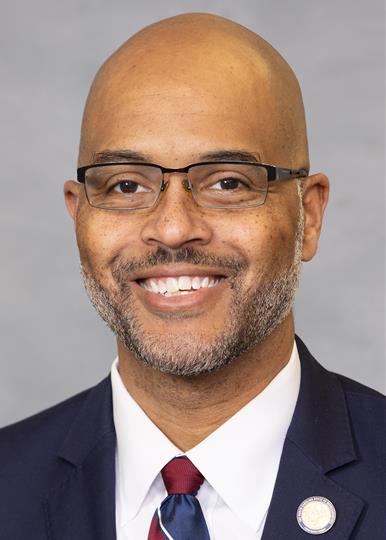
Rep. Brandon Lofton
Sponsored bills
Maddy summaryThis bill creates a new legal pathway in North Carolina allowing individuals to sue anyone, including federal officials, for violating their rights under the U.S. Constitution. It establishes a civil cause of action that permits victims to seek monetary compensation, court orders to stop the violation, and payment for legal fees. The law explicitly states that it does not allow lawsuits against the state itself or waive the state's immunity from being sued. Additionally, the bill appropriates $150,000 to fund public education efforts about these new rights, with the main provisions taking effect on October 1, 2026.
Maddy summaryHB 1178, known as the NC Teacher Pay Competitiveness Act, establishes a permanent salary increase plan for public school teachers in North Carolina to help the state compete with neighboring regions. The bill creates a new salary schedule that begins in the 2026-2027 school year and mandates annual raises of 3.67% until 2033, after which increases will be tied to federal employment cost data. Additionally, the legislation provides specific monthly bonuses for teachers with advanced certifications or degrees and adjusts funding for the Opportunity Scholarship program.
Maddy summaryThis bill aims to improve support for people with intellectual and developmental disabilities in North Carolina through three main changes. It mandates a minimum wage increase of $18 per hour for direct care workers by raising Medicaid reimbursement rates for providers and facilities, with funds appropriated starting in fiscal year 2026-2027. Additionally, the legislation adds at least 1,000 slots to the state's Medicaid waiver program and requires the creation of a ten-year plan to address unmet service needs. Finally, it seeks to remove income and asset limits for the state's Medicaid buy-in program for workers with disabilities, allowing more individuals to qualify for coverage regardless of their earnings or savings.
Maddy summaryThis bill raises child care subsidy rates in North Carolina to the 75th percentile of market costs, directly benefiting low-income families who use state-funded care. Starting in July 2026, the state will automatically update these rates based on future market studies and establish a minimum payment floor for providers in counties where local rates are lower. The legislation appropriates $60 million from the General Fund and $20 million from federal grants to cover the initial increase, with an additional $160 million allocated to maintain the statewide rate floor. While most counties will adopt the new statewide standard, areas with very few children in specific age groups may keep their current rates if the state rate would be too low to secure care for eligible families.
Maddy summaryThis North Carolina bill appropriates approximately $1.3 million from the state's General Fund to the Department of Health and Human Services for the 2026-2027 fiscal year. The funds are designated to expand access to Teen Mental Health First Aid and Youth Mental Health First Aid training programs across the state. These training courses are designed to teach high school students how to recognize signs of mental health and substance use challenges among their peers and connect them with support. The legislation takes effect on July 1, 2026.
Maddy summaryHB 1141 allocates over one billion dollars in state funding to adjust Medicaid payments for North Carolina starting in 2025, ensuring the program can cover rising costs and new services. The bill also permits Medicaid managed care plans to create exclusive networks of providers specifically for research-based behavioral health treatments, while requiring all other essential services to remain available to all providers in the area. Additionally, the legislation removes specific rules that could cause people enrolled in Medicaid expansion to lose their coverage, thereby stabilizing access to care for this population.
Maddy summaryThis bill reduces the amount low-income families must pay for state-subsidized child care in North Carolina starting in October 2026. It lowers the required parent contribution from 10% of gross family income to 7%, with specific adjustments for part-time and blended-rate care. To fund this reduction, the state will allocate $25 million from the General Fund to the Department of Health and Human Services beginning in the 2026-2027 fiscal year. The legislation takes effect on July 1, 2026, and applies to families currently participating in the child care subsidy program.
Maddy summaryHB 1146 establishes the 2026 Governor's Budget for North Carolina by allocating specific funding amounts to state departments, institutions, and agencies for the 2025-2027 fiscal biennium. The bill directly affects public education, health and human services, agriculture, justice, and general government entities by setting their operational budgets for the upcoming fiscal year. Key provisions include detailed dollar amounts for various programs, such as funding for public instruction, university operations, and health services, while also allowing for savings to revert to the state fund if not fully utilized. This legislation provides the financial framework necessary for state agencies to carry out their mandated duties and services during the specified period.
Maddy summaryHB 1167 establishes the 2026 Governor's Budget for North Carolina by providing specific funding amounts to state departments, institutions, and agencies for their current operations. The bill directly affects a wide range of public services, including education, health and human services, agriculture, justice, and general government functions. Key provisions include allocating funds for public schools, universities, healthcare programs, and law enforcement, with detailed dollar amounts specified for each fiscal year of the 2025-2027 biennium. Any unused funds from these appropriations will revert to the appropriate state funds at the end of the fiscal year.