

Maddy summaryThis bill proposes to allocate $2,178,000 in state funds to hire at least 25 additional Adult Protective Services workers across North Carolina counties starting in the 2026-2027 fiscal year. The money is intended specifically to cover salaries and benefits for new staff who will investigate reports of elder abuse, neglect, and exploitation, with distribution based on factors like case volume and the number of seniors in each area. The legislation explicitly prohibits using these funds to replace existing staff or for any purpose other than paying the new workers. Although the bill was withdrawn from committee in May 2026, its primary function is to increase state funding for local social services agencies to address a growing demand for elder abuse investigations.
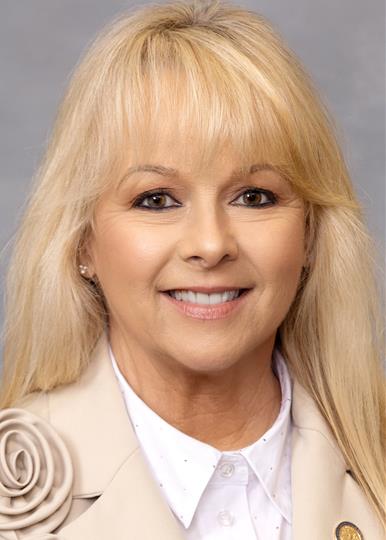
Rep. Julia Greenfield
Sponsored bills
Maddy summaryThis bill allocates $6 million in state funds to expand two food assistance programs in North Carolina for the 2026-2027 fiscal year. The first $4 million supports FarmSHARE, which provides grants to buy locally grown food and distribute it for free to food-insecure individuals and households. The second $2 million funds the Double Up Food Bucks Program, allowing people receiving nutrition assistance to use their benefits to purchase fresh fruits and vegetables at farmers markets and other local retailers. Both programs require the state department to submit annual reports detailing participation numbers, distribution metrics, and financial data to legislative oversight committees. The legislation takes effect on July 1, 2026.
Maddy summaryThis bill prohibits federal or state troops from being stationed at North Carolina voting locations within 17 days of an election, unless they are needed to repel an armed enemy. It also restricts the release of voters' personal data, such as social security numbers and email addresses, to federal agencies unless a judge issues a court order or arrest warrant. While the law allows standard law enforcement to remain for emergencies or specific requests, it creates a legal path for voters to seek court injunctions if these rules are violated. The legislation applies to all elections held on or after it becomes effective and includes penalties for those who breach these protections.
Maddy summaryHB 1193, known as the Mike Clampitt Bone Marrow Donation Act, designates November as Marrow Donation Awareness Month in North Carolina. The bill requires the Department of Health and Human Services and the Department of Motor Vehicles to promote bone marrow donation by posting public service announcements online and displaying them at driver license offices. Additionally, the legislation appropriates $100,000 to fund a state-wide public awareness campaign for this initiative, with the law taking effect on July 1, 2026.
Maddy summaryHB 1166 reorganizes the North Carolina Advisory Council on Rare Diseases by moving it from the University of North Carolina at Chapel Hill to the Department of Health and Human Services. The bill establishes a 19-member council with diverse representation, including physicians, researchers, patients, caregivers, and industry representatives, who will advise state officials on research, diagnosis, treatment, and education for rare diseases. It also provides funding for the council's operating expenses and sets rules for membership terms, meetings, and the selection of a chair.
Maddy summaryThis North Carolina bill allows taxpayers to deduct up to $5,000 of unreimbursed costs for prescribed medications and pharmacy fees from their state income tax. The deduction applies to expenses not covered by tax-advantaged accounts like Flexible Spending or Health Savings Accounts and prevents double-dipping if a federal deduction is already claimed for the same year. Effective for tax years starting on or after January 1, 2026, the measure directly affects individuals paying out-of-pocket for prescription drugs who itemize their state taxes.
Maddy summaryThis bill proposes amending the North Carolina Constitution to ban corporations from spending money to influence election outcomes. It directly affects business entities by stating that only human beings can exercise political spending power within the state. The measure includes specific exceptions for political committees and news organizations owned by parties or candidates, while threatening to revoke corporate legal protections like limited liability for any violations. Because the bill requires voter approval, it will be placed on the November 2026 ballot for a public referendum rather than becoming law immediately.
Maddy summaryThis bill clarifies that designating a historic district in Mecklenburg County does not count as "down-zoning" under state law. By making this distinction, the legislation ensures that local governments can create historic districts without needing the written consent of every property owner within the area, a requirement that currently applies to other types of down-zoning. The law also prohibits waiting periods that prevent applicants from resubmitting denied development requests. These changes apply retroactively to December 11, 2024, and affect only Mecklenburg County.
Maddy summaryHB 1192, known as the Energy and Housing Affordability Act, modifies how electric utilities in North Carolina handle changes in fuel costs and establishes rules for on-site power generation by large customers. The bill requires utilities to provide detailed data on fuel usage and emissions treatment to the Public Service Commission, which will then use a new sharing mechanism to adjust customer rates. Under this mechanism, if fuel costs rise or fall from a baseline, customers and utility shareholders will split the financial impact, with customers covering eighty percent and shareholders absorbing the remaining twenty percent of any variance. Additionally, the act appropriates funds to support a workforce housing loan program aimed at improving housing affordability.
Maddy summaryThis bill establishes a grant program within the North Carolina Department of Health and Human Services to fund community organizations focused on improving maternal health outcomes for Black women. The program provides financial awards ranging from $10,000 to $50,000 to support initiatives that address social determinants of health, such as housing, transportation, nutrition, and access to childcare. Eligible applicants must be community-based groups led by Black women that offer evidence-based services including doula support, mental health care, and culturally respectful training for health workers. The legislation also requires the department to provide technical assistance to grant recipients and submit annual reports on fund usage and program effectiveness.