

Issue · Labor & Employment
Labor & Employment
Every labor & employment bill, vote, and legislator stance in North Carolina, automatically classified by Maddy, our AI policy reader.
Total bills
206
2025-2026 Session
Top supporter
Charles Smith
100% support rate
Top opponent
Vickie Sawyer
20% support rate
Ranked legislators
10
5 support · 5 oppose
Key legislators
Who's moving labor & employment in North Carolina
| Legislator | Party | Stance | Support rate | Votes |
|---|---|---|---|---|
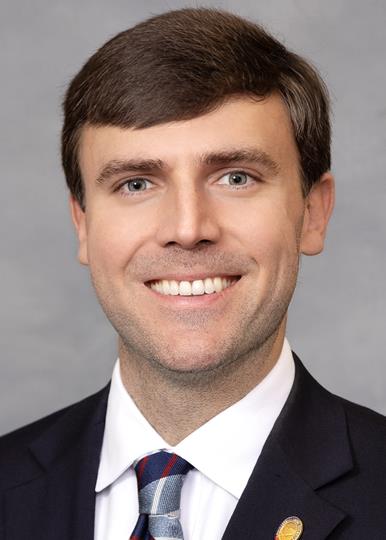
Charles Smith
House · District 44
|
D |
Strong +
|
100% | 23 |

Gloristine Brown
House · District 8
|
D |
Strong +
|
83% | 23 |
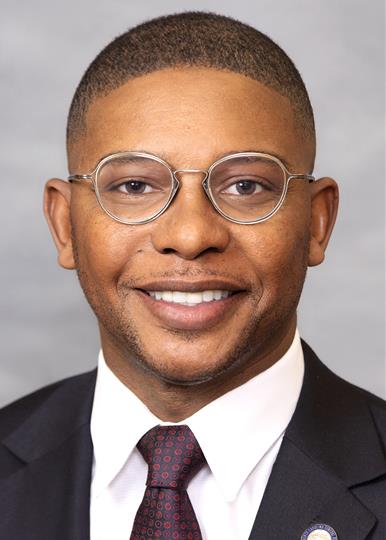
Mike Colvin
House · District 42
|
D |
Strong +
|
83% | 23 |

Frances Jackson
House · District 45
|
D |
Strong +
|
83% | 23 |
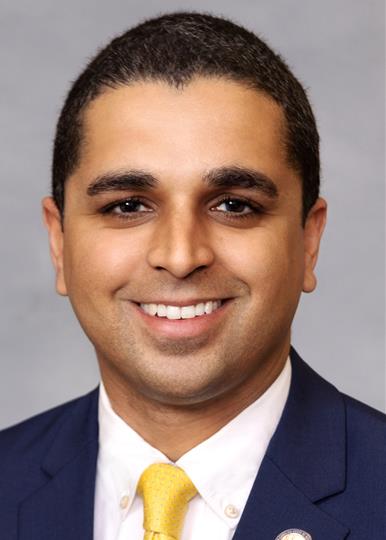
Dante Pittman
House · District 24
|
D |
Strong +
|
83% | 23 |

Vickie Sawyer
Senate · District 37
|
R |
Strong −
|
20% | 14 |

Ralph Hise
Senate · District 47
|
R |
Strong −
|
20% | 13 |
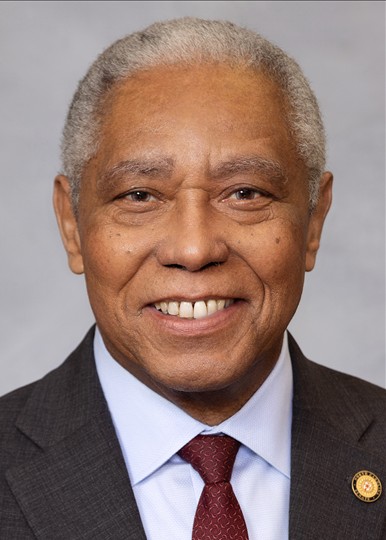
Dan Blue
Senate · District 14
|
D |
Oppose
|
33% | 15 |

Kevin Corbin
Senate · District 50
|
R |
Oppose
|
33% | 15 |

Michael Lazzara
Senate · District 6
|
R |
Oppose
|
33% | 14 |
Showing 71–80 of 206
bills
All labor & employment bills
SB 24: Govt Mandates Increase Healthcare Costs.
Topics
✓ Budget & TaxesSupports Budget & TaxesRequires funding for new health mandates to prevent cost increases, promoting fiscal responsibility in budget management per BUDGETING subject.
✗ HealthcareOpposes HealthcareBill restricts new health insurance mandates by requiring repeal of existing mandates and funding, directly targeting cost increases for employers and taxpayers. Limits mandate expansion.
✗ Labor & EmploymentOpposes Labor & EmploymentRestricts new health benefit mandates without offset, limiting expansion of employment benefits (e.g., coverage for specific treatments) that would otherwise increase employer costs.
HB 137: Gabe Torres Act.
Topics
✓ Criminal JusticeSupports Criminal JusticeExpands death benefits for law enforcement officers killed commuting or on duty, appropriating $300k to fund these protections for public safety personnel.
✓ Labor & EmploymentSupports Labor & EmploymentExpands death benefits for public safety workers (including commuting) with $300k funding, directly strengthening worker benefits under Labor & Employment.
Sub-Topics
Policing
HB 699: Sheriff's Deputies/Dismissals.
Topics
✓ Criminal JusticeSupports Criminal JusticePrevents political interference in law enforcement employment, promoting accountability and fair treatment in sheriff's offices per bill's prohibition of campaign contribution-based firings.
✓ Labor & EmploymentSupports Labor & EmploymentProhibits employment retaliation for non-campaign contributions, directly protecting workers' rights in employment decisions under 'EMPLOYMENT' subject.
Sub-Topics
Law Enforcement
HB 952: Comprehensive Capital for Childcare Expansion.
Topics
✓ Budget & TaxesSupports Budget & TaxesCreates new agency to fund childcare facilities via loans/bonds, directly allocating budget resources for essential public service as indicated in APPROPRIATIONS and BUDGETING subjects.
✓ Labor & EmploymentSupports Labor & EmploymentBill provides financing for childcare facilities, directly supporting workforce participation by making affordable care accessible to working families and employers offering on-site childcare.
HB 911: Occupational and Physical Therapist Salaries/Employment.
Topics
✓ EducationSupports EducationMandates salary alignment with education staff pay scales and provides 10% supplements, directly supporting school staff compensation and retention in educational settings.
✓ Labor & EmploymentSupports Labor & EmploymentMandates higher salaries and 10% monthly supplements for therapists, directly increasing compensation and aligning pay with education staff.
Sub-Topics
Teachers
HB 723: Technology Coalitions Strategic Support Fund.
Topics
✓ Labor & EmploymentSupports Labor & EmploymentFunds workforce training for tech sectors, advancing worker skills and employment opportunities through direct grant allocation.
✓ TechnologySupports TechnologyBill allocates $10.5M in grants to support technology coalitions focused on AI, semiconductors, and cybersecurity, strengthening regional tech growth through funding and workforce training.
SB 441: Revive High-Need Retired Teachers Program.
Topics
✓ EducationSupports EducationBill revives program allowing retired teachers to return to high-need schools without losing retirement benefits or health coverage, directly supporting teacher retention and access in underserved schools.
✓ HealthcareSupports HealthcareMandates school districts cover employer health insurance premiums for rehired retired teachers, maintaining their healthcare benefits as part of the program.
✓ Labor & EmploymentSupports Labor & EmploymentPreserves retirement benefits and mandates health insurance coverage for rehired retired teachers, protecting their financial security and employment benefits without restrictions.
SB 743: Funds for Davidson Emergency Services.
Topics
✓ Budget & TaxesSupports Budget & TaxesAllocates $20.44M state funds for public safety infrastructure, directly advancing budgeted spending on essential services per bill's appropriations language.
✓ Labor & EmploymentSupports Labor & EmploymentFunds police safety equipment and breathing apparatus, directly improving workplace safety for emergency workers per bill's specific allocations.
HB 209: Employee Housing/Durham County.
Topics
✓ EducationSupports EducationAuthorizes affordable housing specifically for Durham Public Schools teachers, addressing retention and recruitment needs within education system.
✓ HousingSupports HousingCreates affordable housing for teachers/first responders with 75% units reserved and below-market rents, directly advancing housing access for public employees.
✓ Labor & EmploymentSupports Labor & EmploymentProvides affordable housing for essential workers (teachers, first responders), directly addressing housing costs as a key employment benefit and retention factor for public sector employees.