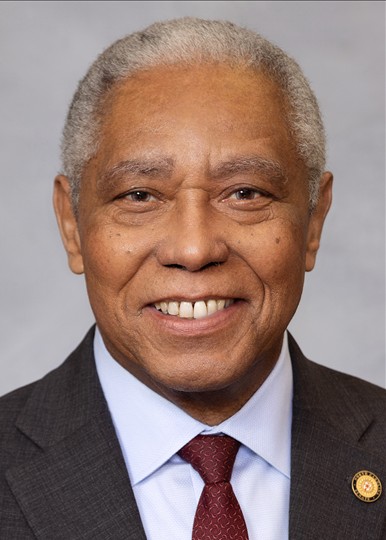
HB 1080, the Public Safety Reinvestment Act, allocates state funds to address staffing shortages and modernize safety measures across several North Carolina public institutions. The bill directs $30 million to hire additional court clerks in Wake and Mecklenburg counties, provides salary increases for Department of Adult Correction employees and State Highway Patrol members, and offers benefits enhancements for correctional officers in specific retirement systems. It also mandates that public transit vehicles carry emergency trauma kits and requires operators to implement stricter fare enforcement technologies and training. Furthermore, the legislation funds the Division of Juvenile Justice, the State Crime Laboratory, and includes provisions for reporting fare evasion data and safety incidents.
This bill establishes the "NC Workforce Stability & Economic Protection Act" to monitor how federal immigration enforcement affects North Carolina's economy and businesses. It requires the state budget office to conduct an annual study on the financial impact of these operations, including tax revenue losses and supply chain disruptions, and mandates that employers notify workers within 72 hours if they receive a federal audit notice. Additionally, the Attorney General is authorized to oversee enforcement activities, create a public reporting portal for grievances, and publish an annual report on the effects on civil rights and commerce. The legislation also allocates $100,000 to fund the initial economic impact study and includes penalties for employers who fail to provide the required employee notifications.
This bill establishes a $200 million fund to help community colleges create training programs for high-demand construction trades like plumbing, electrical work, and carpentry. It also creates a $100 million grant program that will provide up to $5 million to construction material producers who invest at least $10 million in the state and create 250 jobs. Additionally, the bill requires state building code councils to update regulations to allow the use of specific cement substitutes and provides funding for local governments to set up digital permitting systems. These measures aim to address labor and material shortages in the construction industry by expanding the workforce, encouraging local manufacturing, and modernizing administrative processes.
This bill establishes a paid bereavement leave program for state employees, public school staff, and community college workers in North Carolina, effective July 1, 2026. It grants up to 40 hours of paid time off for the death of an immediate family member and up to eight hours for the death of a colleague who worked at the same agency within the past year. The legislation requires employees to provide documentation of the death and mandates that leave for family members be used within 180 days, while also allocating $2 million from the state budget to fund these benefits.
This bill aims to improve support for people with intellectual and developmental disabilities in North Carolina through three main changes. It mandates a minimum wage increase of $18 per hour for direct care workers by raising Medicaid reimbursement rates for providers and facilities, with funds appropriated starting in fiscal year 2026-2027. Additionally, the legislation adds at least 1,000 slots to the state's Medicaid waiver program and requires the creation of a ten-year plan to address unmet service needs. Finally, it seeks to remove income and asset limits for the state's Medicaid buy-in program for workers with disabilities, allowing more individuals to qualify for coverage regardless of their earnings or savings.
This bill, titled the Keep NC Working Act, creates a new Short-Time Compensation Program in North Carolina to help employers avoid layoffs by reducing employee work hours instead. Starting in October 2026, eligible employers can submit a plan to the state Division of Unemployment Insurance to reduce employee hours by between 10% and 60% for up to one year. In exchange for these reduced hours, employees will receive additional unemployment benefits, while employers must ensure that health and retirement benefits continue as if the workers were still working full time. The program requires employers to maintain a clean record with the state regarding unemployment taxes and must have the agreement of any collective bargaining units involved.
This bill directs the North Carolina Department of Adult Correction to distribute state funds to 17 local reentry councils starting in the 2026-2027 fiscal year. The primary goal is to help individuals returning to society after incarceration by hiring new staff and providing financial support for housing and transportation. Specific provisions include funding for two new full-time positions at each council, rental assistance for those reentering the community, and transportation vouchers for people under post-release supervision. Additionally, the legislation allocates money to two community colleges to hire education navigators for justice-involved students and funds the creation of online training modules for agencies serving people with criminal records.
This bill directs $100,000 from the state's General Fund to the Winston-Salem Urban League for the 2026-2027 fiscal year. The money is intended to support the organization's efforts in economic empowerment, education, and workforce development within the Winston-Salem community. The funding is classified as nonrecurring, meaning it is a one-time allocation rather than an ongoing annual budget item. The legislation is set to take effect on July 1, 2026, and does not impose new taxes or alter existing laws.
HB 1066, the Child Care Stabilization and Affordability Act, aims to address North Carolina's child care shortages by redirecting funds from the Opportunity Scholarship Program to support child care services. The bill reduces scholarship funding for private school vouchers, with the savings used to expand child care subsidies, stabilize existing programs, and improve early childhood educator pay and benefits. It also streamlines administrative rules for child care providers and clarifies regulations for religious programs. These changes directly affect families seeking child care subsidies, private school scholarship recipients, and child care providers across the state.
This bill creates a voluntary program allowing businesses in North Carolina to contribute to portable benefit accounts for their independent contractors. The plan enables hiring parties to fund benefits such as health insurance, retirement, and disability through a third-party administrator, which helps contractors maintain coverage when moving between jobs. To encourage participation, the legislation allows businesses to deduct contributions as business expenses and permits contractors to exclude those amounts from their taxable income. Additionally, the bill includes a $100,000 appropriation to fund public education about the program, which will take effect on July 1, 2026.