Issue · Labor & Employment

Labor & Employment

Every labor & employment bill, vote, and legislator stance in North Carolina, automatically classified by Maddy, our AI policy reader.

Total bills
206
2025-2026 Session
Top supporter
Charles Smith
100% support rate
Top opponent
Vickie Sawyer
20% support rate
Ranked legislators
10
5 support · 5 oppose
Key legislators

Who's moving labor & employment in North Carolina

Legislators moving labor & employment in North Carolina
Legislator Party Stance Support rate Votes
Charles Smith
Charles Smith House · District 44
D
Strong +
100% 23
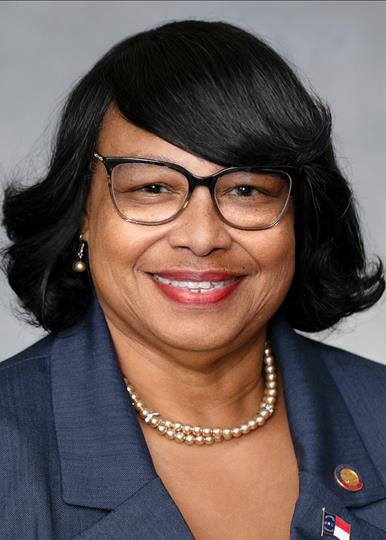
Gloristine Brown
Gloristine Brown House · District 8
D
Strong +
83% 23
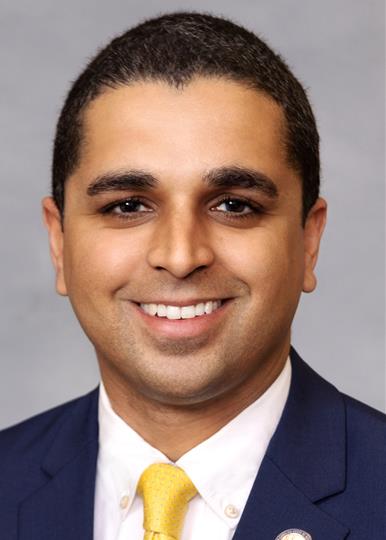
Mike Colvin
Mike Colvin House · District 42
D
Strong +
83% 23
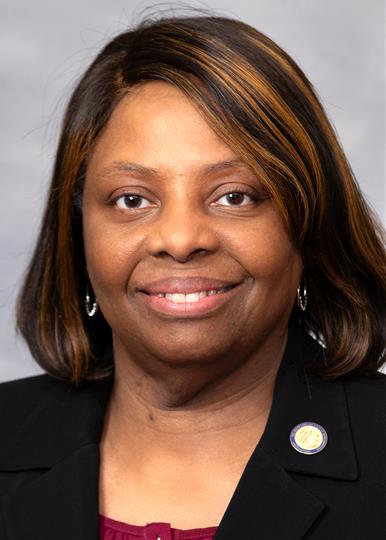
Frances Jackson
Frances Jackson House · District 45
D
Strong +
83% 23
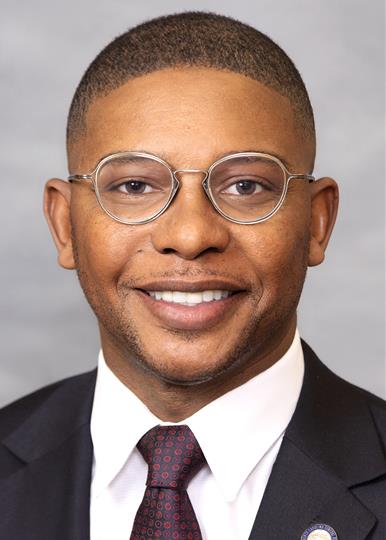
Dante Pittman
Dante Pittman House · District 24
D
Strong +
83% 23
Vickie Sawyer
Vickie Sawyer Senate · District 37
R
Strong −
20% 14
Ralph Hise
Ralph Hise Senate · District 47
R
Strong −
20% 13
Dan Blue
Dan Blue Senate · District 14
D
Oppose
33% 15
Kevin Corbin
Kevin Corbin Senate · District 50
R
Oppose
33% 15
Michael Lazzara
Michael Lazzara Senate · District 6
R
Oppose
33% 14
Showing 171–180 of 206 bills

All labor & employment bills

in committee · North Carolina · Senate Mar 26, 2025

SB 525: Living Wage Guarantee Act.

SB 525, the Living Wage Guarantee Act, would raise North Carolina’s minimum wage to $15 per hour for most employers starting January 1, 2026, directly affecting low-wage workers and businesses statewide. Small businesses (with fewer than 10 employees) would phase in the increase over three years, starting at $12/hour in 2026 and reaching $15/hour by 2028. The bill includes automatic annual wage adjustments tied to the cost-of-living index starting in 2028 to maintain purchasing power. It also establishes a $10 million state fund to support small businesses during the transition and strengthens enforcement by allowing workers to seek back pay and protecting them from retaliation.
in committee · North Carolina · Senate Mar 25, 2025

SB 458: Enact KinCare and Safe Days.

SB 458, the "KinCare Act," expands North Carolina's sick leave policy by allowing employees to use accrued sick leave for the care of family members, not just for their own illness. It defines "family member" broadly to include children, parents, domestic partners, and others with close family-like relationships, and permits up to five consecutive days of sick leave annually for this purpose. Employers must allow this use under the same conditions as sick leave for the employee's own health needs, without extending federal FMLA leave limits. The bill applies to all employers (including state/local governments) but excludes certain benefits like workers' compensation or insurance plans. It takes effect October 1, 2025.
Sub-Topics Paid Leave
in committee · North Carolina · Senate Mar 25, 2025

SB 434: School Workers Fair Pay Act.

SB 434, the School Workers Fair Pay Act, requires North Carolina public schools to pay all noncertified employees (such as cafeteria workers, custodians, and administrative staff) a minimum hourly wage of $17.00, effective July 1, 2025. The bill mandates the State Board of Education to adjust salary schedules to meet this rate and allocates $144.7 million from the General Fund to the Department of Public Instruction for the 2025-2026 fiscal year to support this change. Funds must supplement existing salaries without replacing current state or local funding. This policy directly affects thousands of non-teaching school staff across all North Carolina public school districts.
in committee · North Carolina · Senate Mar 25, 2025

SB 392: Safeguard Fair Elections.

SB 392 creates new criminal penalties for threatening or pressuring voters, election officials, or poll workers to influence voting choices or election participation. It makes it a felony to threaten someone for voting, voting for a specific candidate, registering to vote, or for election workers performing duties, and prohibits fraudulent challenges to voter eligibility. Employers cannot condition pay or employment on voting behavior, with violations carrying fines up to $100,000 or five years in prison. Convicted individuals must pay restitution fines that fund voter education programs, and election workers can seek civil damages for intimidation.
Tags Elections
died · North Carolina · Senate Mar 26, 2025

SB 538: Family Empowerment Act.

SB 538, the Family Empowerment Act, expands child care assistance to families earning up to 300% of the federal poverty level, prioritizing single parents and workers in nontraditional hours. It creates tax credits for businesses offering paid parental leave (up to $2,500 per employee) and grants for small businesses to offset leave costs, while establishing state-funded financial counseling and home-visiting programs for low-income families. The bill requires child care costs to not exceed 7% of family income and mandates flexible work policies for employers, with "Family-Friendly Workplace" certification. Funded by $75 million annually from 2025-2027, it targets working families, employers, and child care providers across North Carolina.
in committee · North Carolina · Senate Mar 26, 2025

SB 607: Equal Pay Act.

SB 607, the North Carolina Equal Pay Act, prohibits employers from paying employees differently based on gender for work requiring similar skill, effort, and responsibility under comparable conditions. It defines "comparable work" broadly (excluding job titles alone) and allows pay differences only for factors like seniority, merit, geographic location, or job-related education/experience. The bill also bans employers from asking about salary history before making a job offer, protects employees who discuss pay or file complaints from retaliation, and requires employers to post notices about these rights. The law takes effect January 1, 2026, and would allow employees to seek back pay for violations.
in committee · North Carolina · Senate Mar 26, 2025

SB 546: Clean Energy Workforce and Innovation Act.

SB 546 establishes a statewide Clean Energy Workforce Development Program under North Carolina's Department of Commerce to build a skilled workforce for nuclear energy, specifically targeting small modular reactors. It provides grants to colleges for training programs in energy sector skilled trades (like welding, grid integration, and reactor maintenance), subsidizes employer-paid apprenticeships (prioritizing economically disadvantaged students), and offers scholarships for relevant degrees - including for workers displaced by coal plant closures. The bill requires prioritizing funding for communities affected by fossil fuel plant closures, economically distressed areas, and underrepresented groups in the energy sector. It directly affects North Carolina residents seeking clean energy careers, community colleges, and nuclear industry employers through concrete training and financial support mechanisms.
in committee · North Carolina · Senate Mar 26, 2025

SB 480: NC Paid Family Leave Insurance Act.

SB 480 establishes North Carolina's first state-run paid family leave program, effective January 1, 2026. It provides eligible workers - such as employees meeting wage criteria or self-employed individuals who opt in - with up to 26 weeks of paid leave per year to care for a newborn, adoptive child, or family member with a serious health condition, or for military family leave needs. Benefits are capped at 12 weeks for most family-related reasons (like newborn care), 18 weeks for personal serious health conditions, and 26 weeks for military family leave. The program is funded through employee payroll contributions and administered by the Division of Employment Security, with specific eligibility requirements defined in the bill.
Sub-Topics Paid Leave
in committee · North Carolina · Senate Mar 26, 2025

SB 623: First Responders' Right to Assemble.

SB 623 would allow firefighters, police officers, and EMTs (first responders) in North Carolina to collectively bargain with local governments or state agencies over wages, benefits, and working conditions. It amends a current law that prohibits such negotiations for first responders, making it the first time they could formally negotiate as a group. The bill maintains the existing ban on strikes by public employees. If passed, it would directly affect all first responders statewide, changing their labor rights under state law.
Sub-Topics Collective Bargaining Tags Public Safety
in committee · North Carolina · Senate Mar 26, 2025

SB 549: State Emp. Leave/Bereavement/Pregnancy Loss.

SB 549 creates two new paid leave programs for North Carolina state employees, public school staff, and community college workers. It provides at least 56 hours of paid leave for pregnancy loss (including miscarriage, failed adoption, or surrogacy) and up to three consecutive workdays of paid bereavement leave for the death of an immediate family member (spouse, parent, child, etc.). The leave is in addition to existing sick/vacation time, requires a minimum service period that can be aggregated across state agencies and schools, and has no cash value upon termination. Funding of $1.8 million for pregnancy loss and $2 million for bereavement is appropriated from the General Fund for fiscal years 2025-2027, effective July 1, 2025.
Showing 171 to 180 of 206 bills
Previous 1 17 18 19 21 Next