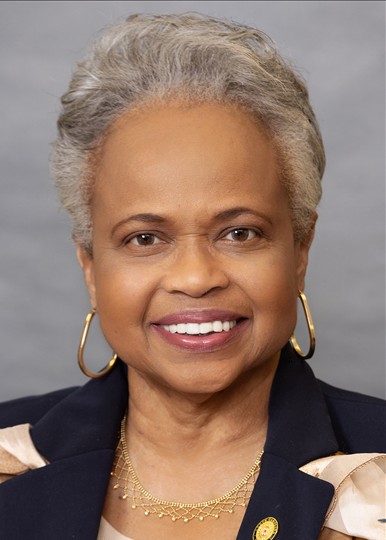
This bill establishes a grant program in North Carolina to support community organizations focused on improving maternal health outcomes for Black women. The program provides funding ranging from $10,000 to $50,000 to eligible entities that offer evidence-based services, such as mental health support, doula care, and assistance with social needs like housing and transportation. Priority is given to organizations led by Black women and those serving communities with high rates of adverse maternal health outcomes. Recipients must also provide culturally respectful training for health workers and submit reports on how the funds are used to prevent maternal mortality and severe complications.
This bill aims to improve access to dental care in North Carolina by increasing the Medicaid reimbursement rates paid to dentists. Starting in the 2026-2027 fiscal year, the state will allocate $80 million from the General Fund to raise these payment rates, which have not significantly changed since 2008. The legislation seeks to encourage more private dental providers to join the Medicaid program, thereby expanding the network of available dentists for patients. By making it more financially viable for dentists to accept Medicaid, the bill intends to help reduce the number of people relying on emergency departments for urgent dental needs.
This bill requires North Carolina public schools to provide annual firearm safety and conflict de-escalation training to students starting in kindergarten, with parents retaining the right to opt their children out of the instruction. The firearm safety component mandates teaching safe handling, storage, and emergency procedures without using live ammunition, while the de-escalation portion focuses on managing stressful situations through instruction from mental health professionals. Additionally, the legislation expands access to mental health records by requiring court clerks to conduct statewide searches when individuals apply for concealed handgun permits and modifying how judges issue involuntary commitment orders. The state will also allocate $250,000 to fund the development of these new curricula, which are scheduled to begin in the 2026-2027 school year.
This bill, titled the Dr. Janell Green Smith Maternal Health Accountability Act, aims to improve maternal health outcomes in North Carolina by formally recognizing and regulating Certified Professional Midwives alongside other licensed midwives. It requires hospitals to implement specific safety protocols, such as standardized emergency response plans and annual bias training for staff, while prohibiting care denial based on the type of provider or birth setting. To ensure transparency, the legislation mandates that healthcare facilities annually report detailed data on maternal mortality, morbidity, and other key metrics to the state Department of Health and Human Services, with this data made publicly available and broken down by race and geography. Additionally, the bill establishes a statewide reporting and navigation system to help patients access grievance processes, legal resources, and mental health support.
This bill establishes an Interstate Compact for School Psychologists in North Carolina, allowing licensed professionals to practice in other participating states without facing repetitive licensing requirements. The legislation creates a commission to oversee the agreement and defines specific rules for mobility, including provisions for military families and standards for professional conduct. Additionally, the bill allocates funds to support a virtual training program for school psychologists. By streamlining the licensure process, the measure aims to increase the availability of qualified mental health services in schools across member states.
This bill creates the Affordable Maternal Access and Cancer Care Act to improve health outcomes for marginalized groups in North Carolina by establishing two new programs. The first part sets up a grant program that provides funding to community-led organizations to address maternal mortality and severe illness among underserved populations, with a focus on supporting social needs like housing, nutrition, and transportation. The second part ensures that patients do not face higher costs for necessary breast imaging tests compared to standard screening mammograms. The legislation appropriates five million dollars for the 2026-2027 fiscal year to fund these initiatives and hire staff to manage the grants.
This bill aims to improve the connection between the court system and mental health services in North Carolina to reduce unnecessary jail time. It directs state agencies to create training for judges and staff on spotting mental health risks and to build a framework for sending court-involved individuals to treatment instead of detention. The legislation also updates legal standards for determining when someone is a danger to others and provides funding to support these new programs and data-sharing systems.
HB 1045, known as the Fair Wages in Health Care Act, establishes minimum hourly wages for five specific direct care occupations in North Carolina: home care aides, direct support professionals, certified nursing assistants, psychiatric aides, and licensed practical nurses. The bill sets wage floors ranging from $18 to $24 per hour depending on the role, with protections against employers using different job titles to avoid paying the required rates. To help healthcare providers meet these new costs, the Department of Health and Human Services must adjust reimbursement rates for publicly funded programs and update contracts with managed care organizations. The law takes effect on October 1, 2027, and applies to all employers in the state, regardless of whether they are public or private entities.
This North Carolina bill allows taxpayers to deduct up to $5,000 of unreimbursed costs for prescribed medications and pharmacy fees from their state income tax. The deduction applies to expenses not covered by tax-advantaged accounts like Flexible Spending or Health Savings Accounts and prevents double-dipping if a federal deduction is already claimed for the same year. Effective for tax years starting on or after January 1, 2026, the measure directly affects individuals paying out-of-pocket for prescription drugs who itemize their state taxes.
This bill defines the practice of nursing for advanced practice registered nurses, including nurse practitioners, midwives, anesthetists, and clinical specialists, to clarify their roles in North Carolina. It establishes specific duties for each type of provider, such as diagnosing illnesses, prescribing treatments, and ordering diagnostic tests, while also listing the various patient populations they serve. The legislation aims to remove current legal ambiguities surrounding these roles and align state statutes with the education and training that APRNs have received. By codifying these definitions, the bill seeks to ensure that over 20,000 licensed APRNs can practice to the full extent of their licensure without regulatory barriers.