Issue · Healthcare

Healthcare

Every healthcare bill, vote, and legislator stance in North Carolina, automatically classified by Maddy, our AI policy reader.

Total bills
361
2025-2026 Session
Top supporter
Ray Pickett
89% support rate
Top opponent
Amber Baker
0% support rate
Ranked legislators
10
5 support · 5 oppose
Key legislators

Who's moving healthcare in North Carolina

Legislators moving healthcare in North Carolina
Legislator Party Stance Support rate Votes
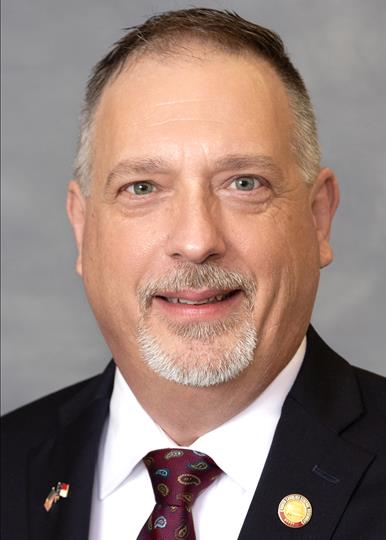
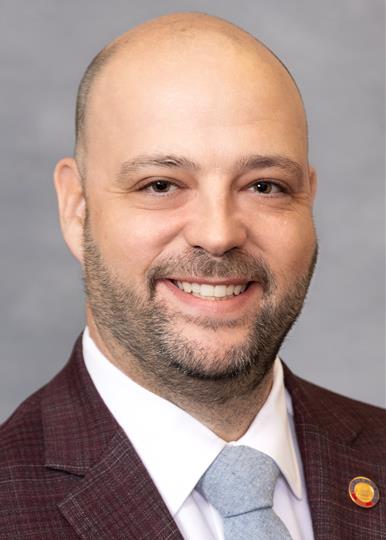
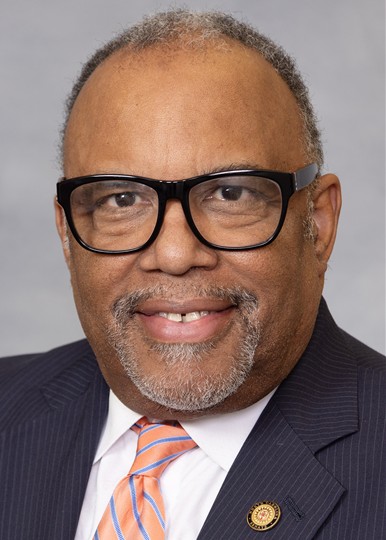
Ray Pickett
Ray Pickett House · District 93
R
Strong +
89% 22
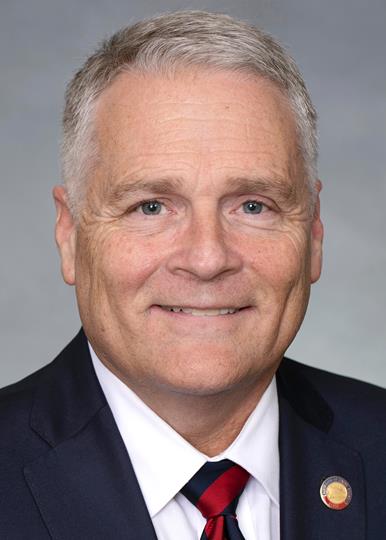
Kelly Hastings
Kelly Hastings House · District 110
R
Strong +
89% 23
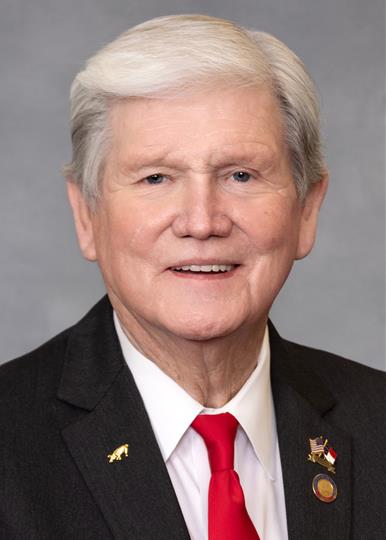
Jimmy Dixon
Jimmy Dixon House · District 4
R
Strong +
89% 24
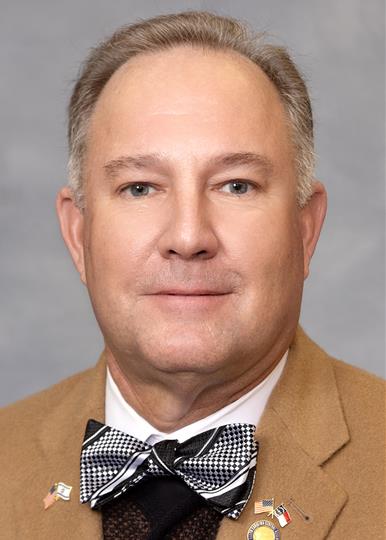
Jeff McNeely
Jeff McNeely House · District 84
R
Strong +
89% 25
Bryan Cohn
Bryan Cohn House · District 32
D
Strong +
88% 22
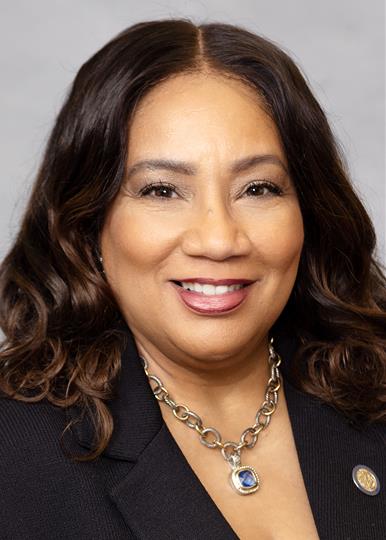
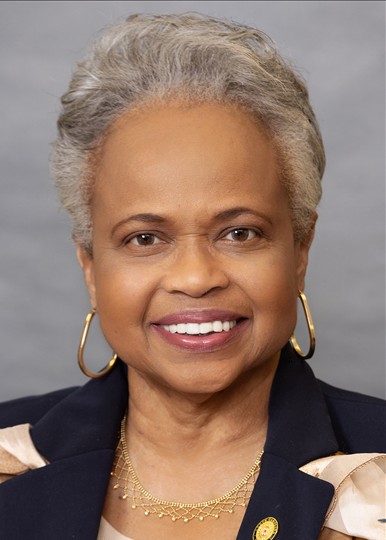
Amber Baker
Amber Baker House · District 72
D
Strong −
0% 19
Paul Lowe
Paul Lowe Senate · District 32
D
Strong −
20% 15
Gladys Robinson
Gladys Robinson Senate · District 28
D
Strong −
20% 16
Mary Belk
Mary Belk House · District 88
D
Strong −
20% 26
Maria Cervania
Maria Cervania House · District 41
D
Strong −
20% 26
Showing 31–40 of 361 bills

All healthcare bills

died · North Carolina · Senate Apr 29, 2026

SB 859: Home Dialysis Accessibility Act.

This bill requires health insurance plans in North Carolina that cover dialysis to also cover home dialysis options. It specifically mandates coverage for staff-assisted home dialysis for individuals who are blind, have cognitive or neurological impairments, or suffer from conditions that limit mobility. The law applies to new, renewed, or amended insurance contracts starting on October 1, 2026, and also extends the same coverage requirements to the state's own health plan. Additionally, the state will allocate $100,000 annually beginning in the 2026-2027 fiscal year to help implement these new coverage rules.
Sub-Topics Insurance
died · North Carolina · Senate Apr 29, 2026

SB 870: Funds for Veterans/HBOT.

This bill appropriates $3 million from the state's General Fund to provide free hyperbaric oxygen therapy to North Carolina veterans diagnosed with traumatic brain injury or posttraumatic stress disorder. The funding is directed to a nonprofit organization called HBOT 4 HEROES, which will administer the treatment, manage the program, and conduct outcome assessments for an estimated 350 veterans. The act requires the organization to submit a detailed report to state oversight committees by June 30, 2027, covering the number of patients served, their locations, and how the funds were spent. These changes are set to take effect on July 1, 2026.
in committee · North Carolina · House Apr 29, 2026

HB 1078: Omnibus Life Sciences Appropriations.

HB 1078 is an omnibus appropriations bill that provides funding to the Department of Commerce and the Department of Health and Human Services in North Carolina. The legislation allocates $10 million to the One North Carolina Small Business Account and $2 million to the North Carolina Biotechnology Center to support life science companies, university research, workforce development, and economic programs. Additionally, the bill transfers the Advisory Council on Rare Diseases from the Department of Commerce to the Department of Health and Human Services and establishes a new Life Science and Biomanufacturing Technologies Reserve Fund. The bill also details the composition, membership, and administrative structure of the rare diseases council, which includes physicians, researchers, patient representatives, and industry experts.
died · North Carolina · Senate May 5, 2026

SB 1061: Protect Moms Who Serve.

This North Carolina bill directs the Department of Health and Human Services to study health challenges faced by women serving in the military. The study will examine how to improve maternity care coordination, access to community resources, and mental health support for pregnant and postpartum veterans, while also looking at ways to reduce maternal mortality and address racial disparities. To complete this research, the state has allocated $100,000 for the 2026-2027 fiscal year, and the final report with recommendations is due by April 1, 2027.
passed · North Carolina · House Jun 11, 2026

HB 1115: General Statutes Commission Advance Health Care Planning Documents.

HB 1115 updates North Carolina laws regarding advance health care planning documents, such as health care powers of attorney and living wills, to align with recent recommendations from the General Statutes Commission. The bill primarily affects individuals creating these documents by simplifying the requirements for signing them and allowing multiple types of advance directives to be combined into a single document. Key provisions include clarifying how different documents interact, defining terms like 'life-prolonging measures' and 'mental health treatment,' and ensuring that the laws remain consistent with other state statutes.
Sub-Topics Mental Health
died · North Carolina · Senate Apr 30, 2026

SB 907: The Ciji Graham Act.

SB 907, known as the Ciji Graham Act, establishes a new High-Risk Pregnancy Care Navigation Program in North Carolina to assist patients with high-risk pregnancies by providing licensed nurse consultants who help coordinate care and address barriers like transportation and insurance. The bill also creates a statewide pregnancy consultation hotline for healthcare providers and community organizations to offer immediate clinical guidance and referrals, alongside a centralized digital hub containing clinical guidelines and a directory of specialists and facilities. Funded through the state General Fund, these measures aim to improve maternal health outcomes and reduce disparities by ensuring timely access to appropriate medical resources and services.
died · North Carolina · Senate May 5, 2026

SB 1029: Tax Relief on Essentials for Working Families.

This bill modifies North Carolina's sales tax laws to exempt feminine hygiene products, diapers, and groceries from state and local sales taxes. It specifically adds items like tampons, menstrual cups, and sanitary napkins to the list of tax-free feminine hygiene goods and clarifies that certain grooming products such as soap and shampoo remain taxable. Additionally, the legislation ensures that children's and adult diapers purchased with a prescription from a Medicaid provider are not subject to sales tax. The bill also includes a provision to distribute $1.6 million in state funds to regional councils of government to inform the public about these new tax exemptions.
Sub-Topics Sales Tax Medicaid
died · North Carolina · Senate May 5, 2026

SB 1005: We Need More Midwives Act.

This bill creates the Midwifery Education Grant Program to increase the number of midwives in North Carolina by funding training programs at specific University of North Carolina institutions. It provides up to $20 million in state funds to support eligible universities that offer advanced nursing degrees but currently lack certified nurse-midwife training programs. To receive grants, institutions must partner with a hospital, submit a budget, and commit to graduating at least 20 midwives within five years, with priority given to historically black colleges and universities. The legislation appropriates $4 million per institution and requires the university system to report on grant usage and program timelines to state oversight committees.
died · North Carolina · Senate Apr 28, 2026

SB 847: Tyler's Law.

This bill, known as Tyler's Law, requires North Carolina to conduct a full investigation before officially ruling any death as a suicide. Under the new rules, medical examiners must interview people connected to the scene and test for gunshot residue if a firearm was involved, ensuring these steps are documented before a final determination is made. To support this expanded work, the legislation increases the fee paid to county medical examiners from $200 to $400 per case and provides state funding to cover the cost increase starting in 2026. The law applies to all deaths occurring on or after it becomes effective, aiming to ensure thorough reviews of apparent suicides.
in committee · North Carolina · Senate Apr 30, 2026

SB 895: Nonprofit Hospitals Tax Exemption.

This bill modifies tax exemptions for nonprofit hospitals in North Carolina by linking property tax relief directly to the cost of charity care provided to low-income patients. Under the new rules, a hospital's property tax exemption is calculated based on the actual cost of services given to uninsured or underinsured individuals with family incomes at or below 300% of the federal poverty level. Additionally, the legislation expands sales tax refunds for nonprofit hospitals, allowing them to recover taxes on over-the-counter drugs and capping the total refund at the lesser of a fixed dollar amount or the hospital's verified charity care costs. These changes are designed to ensure that tax benefits are tied to specific charitable activities rather than general operations. The provisions will take effect for tax years beginning on or after July 1, 2027.
Showing 31 to 40 of 361 bills
Previous 1 3 4 5 37 Next