Issue · Healthcare

Healthcare

Every healthcare bill, vote, and legislator stance in North Carolina, automatically classified by Maddy, our AI policy reader.

Total bills
361
2025-2026 Session
Top supporter
Ray Pickett
89% support rate
Top opponent
Amber Baker
0% support rate
Ranked legislators
10
5 support · 5 oppose
Key legislators

Who's moving healthcare in North Carolina

Legislators moving healthcare in North Carolina
Legislator Party Stance Support rate Votes
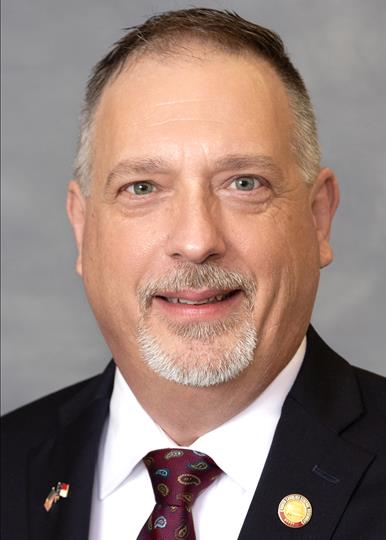
Ray Pickett
Ray Pickett House · District 93
R
Strong +
89% 22
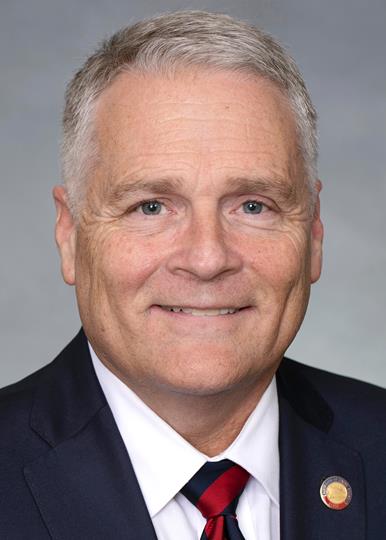
Kelly Hastings
Kelly Hastings House · District 110
R
Strong +
89% 23
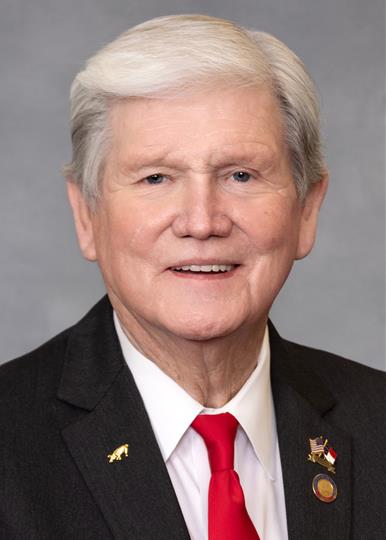
Jimmy Dixon
Jimmy Dixon House · District 4
R
Strong +
89% 24
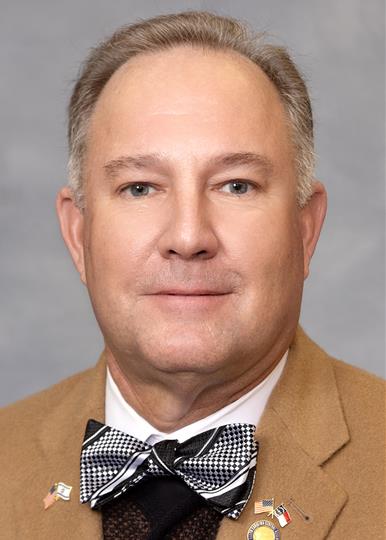
Jeff McNeely
Jeff McNeely House · District 84
R
Strong +
89% 25
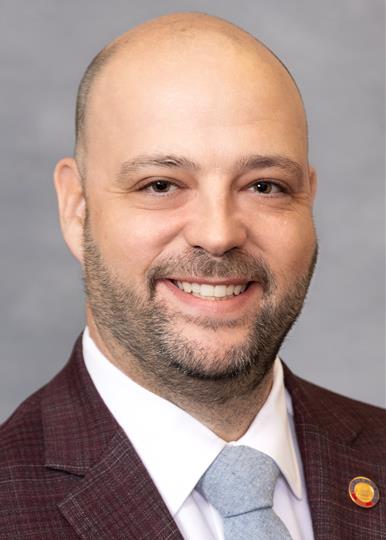
Bryan Cohn
Bryan Cohn House · District 32
D
Strong +
88% 22
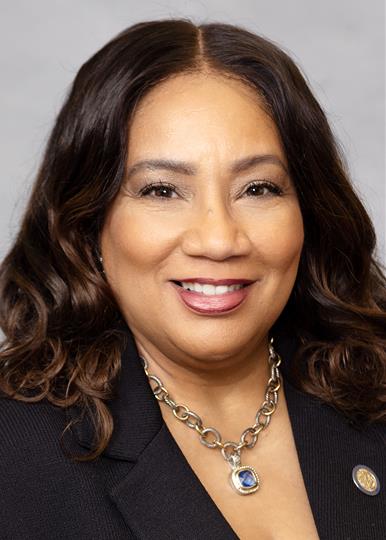
Amber Baker
Amber Baker House · District 72
D
Strong −
0% 19
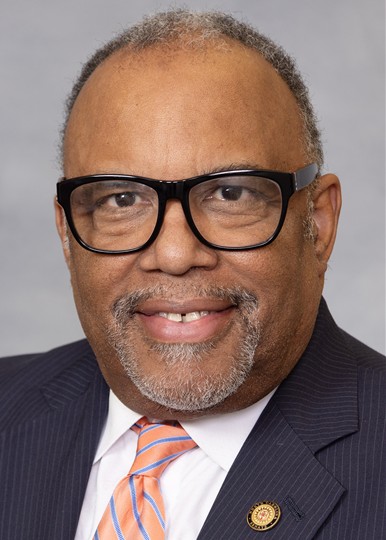
Paul Lowe
Paul Lowe Senate · District 32
D
Strong −
20% 15
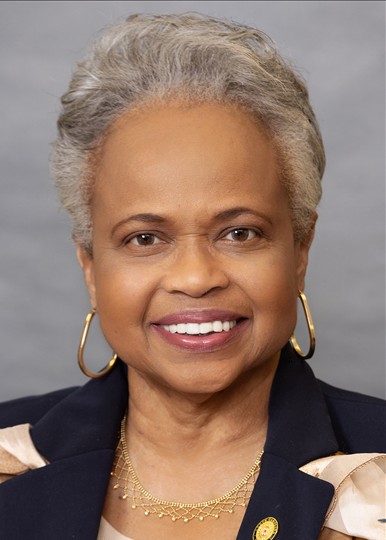
Gladys Robinson
Gladys Robinson Senate · District 28
D
Strong −
20% 16
Mary Belk
Mary Belk House · District 88
D
Strong −
20% 26
Maria Cervania
Maria Cervania House · District 41
D
Strong −
20% 26
Showing 111–120 of 361 bills

All healthcare bills

in committee · North Carolina · House May 19, 2026

HB 451: Diabetes Education for Parents.

HB 451 requires North Carolina public schools to provide parents and legal guardians with an annual information packet about type 1 and type 2 diabetes at the start of each school year. The packet must include descriptions of diabetes types, risk factors, warning signs, screening processes, and recommendations to consult healthcare providers for diagnosis or treatment planning. Schools must also ensure staff are trained to support students with diabetes through individualized care plans. The law, effective July 1, 2025, includes $10,000 in state funds to help schools develop implementation guidance. It directly affects all parents/guardians of students in North Carolina public schools.
in committee · North Carolina · Senate Mar 26, 2025

SB 704: The Ronnie Long No Cap Act.

SB 704, the "Ronnie Long No Cap Act," removes the $750,000 cap on compensation for exonerees in North Carolina, replacing it with $50,000 per year of wrongful imprisonment. It also requires the state to seek federal approval for Medicaid coverage without income or asset limits for exonerees and mandates the Department of Adult Correction to provide tailored transition services (including housing and employment support) with a $25,000 per person spending limit. The bill directly affects individuals exonerated after wrongful convictions, such as Ronnie Long (44 years incarcerated), by expanding financial compensation, healthcare access, and reintegration support. These provisions apply to exonerees released after the bill's effective date, with compensation retroactive for living individuals.
Sub-Topics Medicaid
in committee · North Carolina · Senate Mar 25, 2025

SB 406: Allow ERPOs to Prevent Suicides and Save Lives.

SB 406 would establish a new court process in North Carolina called Extreme Risk Protection Orders (ERPOs), allowing family members, law enforcement, or health care providers to seek temporary removal of firearms from individuals deemed to pose a significant risk of self-harm or harm to others. Courts could issue emergency orders without the person present if danger is imminent, requiring immediate surrender of firearms and ammunition, with seizure ordered if compliance fails. The bill mandates specific evidence in petitions (e.g., details on firearms and safety risks), includes due process safeguards like verifying existing protection orders, and waives court costs for petitioners. It also requires annual reports to the legislature tracking ERPO usage, including petitions filed, orders issued, and denials.
Sub-Topics Courts Firearms
in committee · North Carolina · Senate Mar 26, 2025

SB 674: Lic. Mental Health Reciprocity/Recognition.

SB 674 allows licensed mental health professionals (including clinical counselors, marriage and family therapists, psychologists, and psychiatrists) from other states to practice in North Carolina more easily. It requires applicants to have actively practiced for at least two of the past five years, pass background checks, pay fees, and provide a social security number. The bill mandates licensing boards must issue or deny licenses within 60 days of application, streamlining access to mental health services without replacing existing interstate compacts.
Sub-Topics Mental Health
passed · North Carolina · House May 7, 2025

HB 618: Ivermectin Access Act.

House Bill 618, the "Ivermectin Access Act," directs the State Health Director to issue a statewide standing order that allows licensed pharmacists to dispense ivermectin for human use. Under this order, pharmacists would be authorized to provide ivermectin without requiring a written prescription or consultation from a healthcare professional. The bill also grants immunity from civil or criminal liability to the State Health Director for issuing the order and to any pharmacist who dispenses ivermectin in accordance with it. The State Health Director is required to issue this statewide standing order by October 1, 2025.
failed · North Carolina · House Oct 23, 2025

HB 491: Medicaid Rebase Funding.

HB 491 prepares North Carolina's Medicaid program to implement work requirements if authorized by the federal Centers for Medicare and Medicaid Services (CMS). It requires the state's Division of Health Benefits to negotiate with CMS, notify oversight committees within 30 days of starting talks, and submit detailed reports after CMS approves any work requirements plan. The bill does not enact work requirements itself but establishes procedures for future implementation, including timelines for reporting funding needs. This would directly affect current Medicaid recipients if CMS approves work requirements, though the bill is procedural and conditional on federal approval. The legislation is currently in committee review and has not yet become law.
Sub-Topics Medicaid Medicare
passed · North Carolina · House Apr 3, 2025

HB 71: Respiratory Care Modernization Act.

HB 71, the Respiratory Care Modernization Act, updates North Carolina's laws governing respiratory care practice. It creates a new "Advanced respiratory care practitioner" (ARCP) category for licensed professionals with postgraduate training, requiring Board-endorsed competency for advanced procedures. The bill clarifies that ARCPs cannot diagnose, prescribe, or perform invasive procedures without physician supervision, while defining their scope to include cardiopulmonary care and tasks delegated by physicians. This directly affects respiratory care practitioners and patients by standardizing advanced practice rules and ensuring procedures align with current professional standards. The changes aim to reflect modern respiratory care practices without altering basic licensing requirements.
in committee · North Carolina · House Mar 26, 2025

HB 499: NC Paid Family Leave Insurance Act.

HB 499, the North Carolina Paid Family Leave Insurance Act, would create a state-run program providing up to 26 weeks of paid leave for eligible workers in North Carolina starting January 1, 2027. It directly affects most employees who meet income and work requirements, allowing them to take leave for the birth or adoption of a child (up to 12 weeks), caring for a seriously ill family member (up to 12 weeks), their own serious health condition (up to 18 weeks), or caring for a military service member (up to 26 weeks). The program is funded through employee contributions and administered by the Division of Employment Security, with specific definitions of eligible family members and protections against employer retaliation for taking leave. The bill does not cover federal employees or the U.S. government.
Sub-Topics Paid Leave
passed · North Carolina · House Apr 30, 2025

HB 107: Adopt Sudden Unexpected Death in Epilepsy (SUDEP) Awareness Week.

House Bill 107 designates the second week of November each year as Sudden Unexpected Death in Epilepsy (SUDEP) Awareness Week in North Carolina. Additionally, it encourages local boards of education to develop and offer seizure awareness training for school personnel who are responsible for students with epilepsy or who are otherwise predisposed to seizures. This training aims to provide school staff with information to support these students.
passed · North Carolina · House May 8, 2025

HB 690: The Citizens Support Act.

HB 690, "The Citizens Support Act," directs several state and local agencies to ensure that state-funded benefits are provided only to U.S. citizens and noncitizens legally authorized to reside in the United States. The Department of Health and Human Services, Department of Commerce, Housing Finance Agency, and local housing authorities must develop plans to review eligibility criteria and verify the immigration status of applicants for various benefits, including housing, welfare, and medical assistance. State-funded institutions of higher education are required to adopt policies to verify applicants' legal residency for tuition and educational benefits. Additionally, the Division of Employment Security must implement a policy to verify legal residency for unemployment benefit applicants. These agencies are also mandated to report on their implementation progress and any federal laws that prevent them from denying benefits.
Showing 111 to 120 of 361 bills
Previous 1 11 12 13 37 Next