Issue · Criminal Justice

Criminal Justice

Every criminal justice bill, vote, and legislator stance in North Carolina, automatically classified by Maddy, our AI policy reader.

Total bills
214
2025-2026 Session
Top supporter
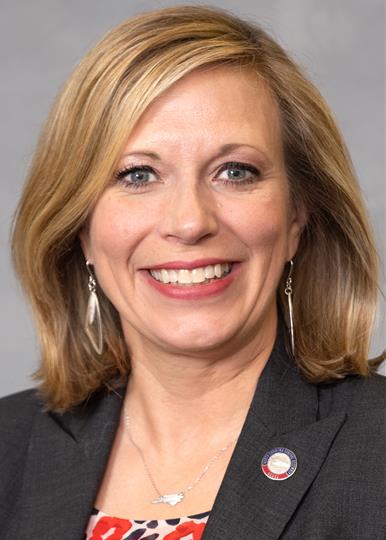
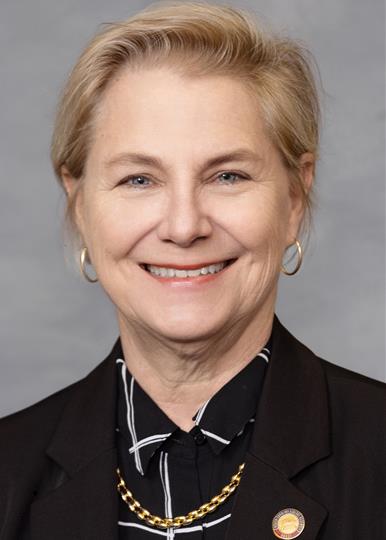
Becky Carney
100% support rate
Top opponent
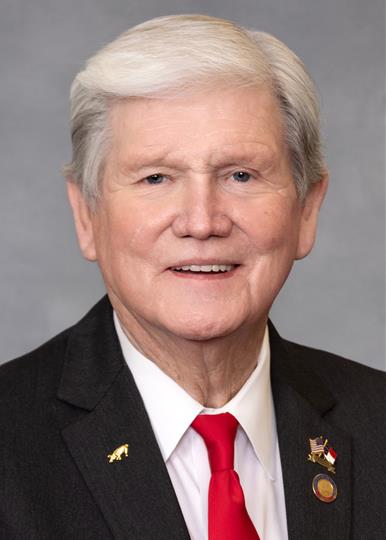
Jimmy Dixon
0% support rate
Ranked legislators
10
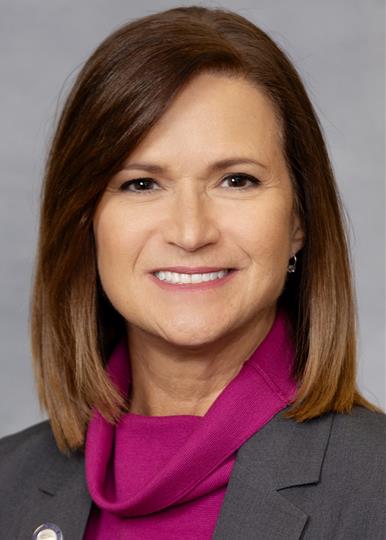
5 support · 5 oppose
Key legislators

Who's moving criminal justice in North Carolina

Legislators moving criminal justice in North Carolina
Legislator Party Stance Support rate Votes
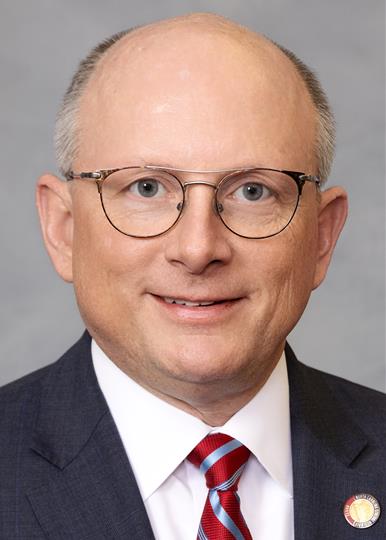
Becky Carney
Becky Carney House · District 102
D
Strong +
100% 42
Sarah Crawford
Sarah Crawford House · District 66
D
Strong +
100% 42
Deb Butler
Deb Butler House · District 18
D
Strong +
100% 37
Maria Cervania
Maria Cervania House · District 41
D
Strong +
100% 42
Allison Dahle
Allison Dahle House · District 11
D
Strong +
100% 41
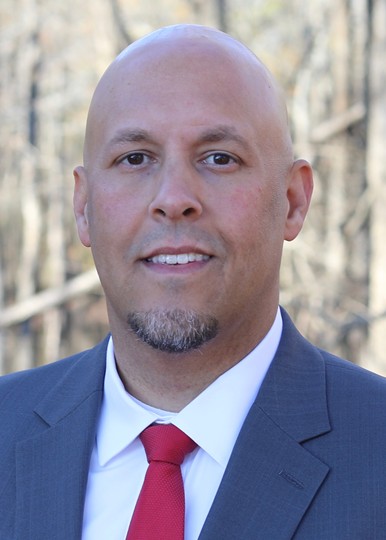
Jimmy Dixon
Jimmy Dixon House · District 4
R
Strong −
0% 39
Celeste Cairns
Celeste Cairns House · District 13
R
Strong −
0% 40
John Lowery
John Lowery House · District 47
R
Strong −
0% 28
Tim Reeder
Tim Reeder House · District 9
R
Strong −
0% 41
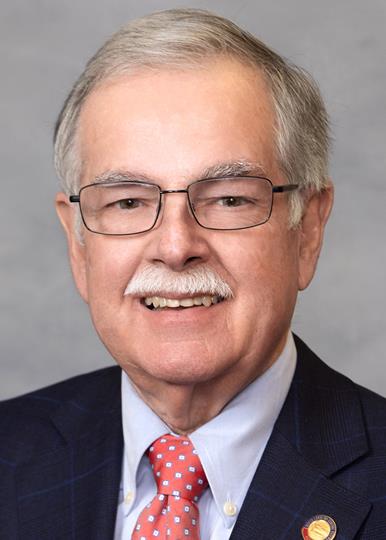
Donny Lambeth
Donny Lambeth House · District 75
R
Strong −
0% 40
Showing 71–80 of 214 bills

All criminal justice bills

in committee · North Carolina · House Apr 14, 2025

HB 980: Remove Barriers to Employment from Court Debt.

HB 980 removes barriers to employment by ending North Carolina's practice of suspending driver's licenses for unpaid traffic-related fines, fees, or court appearances. It automatically reinstates licenses suspended under these rules without requiring action from the person, waives associated fees, and requires the DMV to notify affected individuals. The bill also mandates data collection on suspended licenses (disaggregated by race, gender, and zip code) and forgives fines for past "Driving While License Revoked" convictions tied to these suspensions. This directly affects North Carolinians whose licenses were suspended solely for unpaid traffic debts or non-appearance, restoring their ability to drive for work or daily needs.
Sub-Topics Courts
in committee · North Carolina · Senate Mar 26, 2025

SB 581: Revise Neglected Juvenile Definition.

SB 581 revises North Carolina's definition of a "neglected juvenile" to clarify that parents or guardians cannot be deemed neglectful for allowing certain independent activities if a reasonable parent would consider them safe based on the child's age, maturity, and abilities. It specifically exempts activities like walking or biking to school, visiting nearby recreational areas, staying home briefly, or playing outdoors. This change prevents child welfare authorities from classifying such routine, age-appropriate activities as neglect. The bill directly affects parents, guardians, and child welfare systems by narrowing the circumstances under which independent activities trigger neglect investigations.
Sub-Topics Juvenile Justice
passed · North Carolina · Senate Apr 15, 2025

SB 220: Protect Private Property Rights.-AB

This bill amends North Carolina law to strengthen property rights for landowners regarding recreational activities. It requires written permission (signed, dated within 12 months, and carried on person) for hunting, fishing, or trapping on private land, with fines of $500 for first offenses on posted property and $1,000 for repeat violations. Landowners can also prohibit pine straw harvesting without written consent, creating a Class 1 misdemeanor for unauthorized removal. Repeat trespass offenses trigger license suspensions for hunting/fishing, and new rules ban launching watercraft from public roadways into waterways. The law directly affects hunters, fishers, landowners, and pine straw harvesters.
in committee · North Carolina · House Mar 26, 2025

HB 504: Pilot Co-Responder Police Program.

HB 504 allocates $474,680 over the 2025-2027 fiscal biennium to fund a pilot program in Mecklenburg County towns (Matthews, Pineville, and Mint Hill), directly affecting these localities and residents experiencing mental health crises. The bill provides funds to hire full-time mental health professionals who will work alongside police officers during mental health-related emergency calls, integrating clinical support into law enforcement responses. Each participating town receives specific annual allocations ($131,280 for Matthews, $171,700 each for Pineville and Mint Hill) to support this co-responder model. The program aims to improve outcomes for individuals in mental health distress by pairing law enforcement with mental health professionals during crisis calls. The bill becomes effective July 1, 2025.
Sub-Topics Policing Mental Health
in committee · North Carolina · Senate Mar 26, 2025

SB 567: Medicaid SUD Services Rate Adjustment Act.

SB 567 adjusts Medicaid reimbursement rates for substance use disorder (SUD) treatment services in North Carolina. It increases daily rates for outpatient programs (e.g., $255.28 for level 2.1 care) and establishes new coverage for residential treatment levels (e.g., $350/day for level 3.1), with higher rates for medically monitored services like detox ($756.65/day). The bill appropriates $15 million annually from the state General Fund to cover these rate changes, matching $27.4 million in federal funds for the 2025-2027 biennium. These changes directly affect Medicaid-certified SUD treatment providers by increasing their reimbursement rates for specific service levels, effective July 1, 2025.
in committee · North Carolina · House Feb 26, 2025

HB 202: Defense Against Porch Pirates Act.

HB 202, the "Defense Against Porch Pirates Act," creates a new criminal offense for stealing delivered packages or mail. It defines "mail" broadly to include packages and valuable items left for delivery, making it illegal to unlawfully take or control such items with intent to deprive the owner or benefit unauthorized people. The law sets tiered penalties: Class A1 misdemeanors for first-time, low-value thefts ($200 or less), and escalating to Class E or D felonies for higher-value items ($200+), repeat offenses, or thefts exceeding $2,000. This directly affects individuals who steal deliveries and provides law enforcement with a specific legal tool to address package theft.
Sub-Topics Law Enforcement
signed · North Carolina · House Jul 2, 2026

HB 83: Revise Laws on Minors/Human Trafficking.

HB 83 increases criminal penalties for adults who share inappropriate content with minors under 13 (Class G felony) or under 16 (Class H felony), and creates a new felony for habitual indecent exposure near minors (two prior convictions). It requires courts to consider sex offender registration for these offenses and prohibits transportation companies (like ride-share services) from serving unemancipated minors without parental consent. The bill directly affects adults sharing content with minors, individuals exposing themselves to minors, and transportation companies serving minors. It focuses on concrete policy changes to strengthen protections for minors through stricter penalties and registration requirements.
Sub-Topics Human Trafficking
in committee · North Carolina · House Mar 12, 2025

HB 360: Homeowner Protection Act.

HB 360, the Homeowner Protection Act, targets fraud involving residential property documents. It increases penalties for forging deeds, leases, or wills related to homes (making it a Class D felony instead of Class H) and creates an expedited court process for victims. Homeowners affected by fraudulent property records can file a "memorandum of possible fraud" to trigger a court hearing, where judges can void the false documents and clear title clouds. The law also requires recording offices to flag fraudulent instruments and prohibits fees for these protective filings. The bill is currently pending in the House Judiciary Committee.
Sub-Topics Courts
died · North Carolina · Senate Mar 26, 2025

SB 753: NC Highway Patrol Retention Act.

SB 753, the NC Highway Patrol Retention Act, provides funding for pay raises for all North Carolina State Highway Patrol officers starting July 1, 2025. It appropriates $40.48 million annually from the General Fund to implement new salary schedules based on years of experience (e.g., $56,000 for new officers, $105,000 for 8+ years) and rank (e.g., $120,750 for Sergeant, $224,612 for Colonel). The bill directly affects all sworn Highway Patrol members by establishing fixed pay scales for the 2025-2027 fiscal biennium. The changes aim to improve retention through structured compensation increases without altering existing law enforcement duties or responsibilities.
passed · North Carolina · House Mar 19, 2025

HB 21: Drivers License Designation/Autism.

HB 21 creates a voluntary designation on North Carolina driver's licenses for individuals with autism spectrum disorder (ASD), as defined by state law. People with a medical diagnosis of ASD can request this designation by providing acceptable documentation, such as a healthcare professional's certification, to the Division of Motor Vehicles. The designation appears only in the license record and is accessible solely to law enforcement during interactions to promote safety - no other use is permitted. Individuals may add or remove the designation at any time without affecting their license eligibility or rights.
Sub-Topics Law Enforcement
Showing 71 to 80 of 214 bills
Previous 1 7 8 9 22 Next