Issue · Budget & Taxes

Budget & Taxes

Every budget & taxes bill, vote, and legislator stance in North Carolina, automatically classified by Maddy, our AI policy reader.

Total bills
687
2025-2026 Session
Top supporter
Mitchell Setzer
100% support rate
Top opponent
Amanda Cook
0% support rate
Ranked legislators
10
5 support · 5 oppose
Key legislators

Who's moving budget & taxes in North Carolina

Legislators moving budget & taxes in North Carolina
Legislator Party Stance Support rate Votes
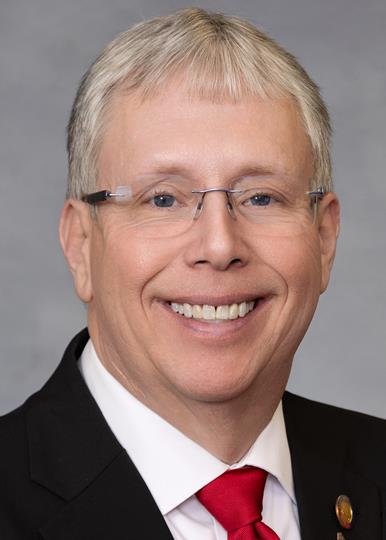
Mitchell Setzer
Mitchell Setzer House · District 89
R
Strong +
100% 52
Grant Campbell
Grant Campbell House · District 83
R
Strong +
100% 50
Anna Ferguson
Anna Ferguson House · District 119
R
Strong +
100% 20
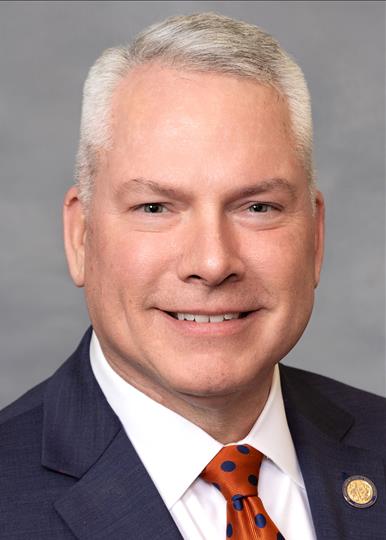
Tim Reeder
Tim Reeder House · District 9
R
Strong +
100% 51
John Bell
John Bell House · District 10
R
Strong +
100% 50
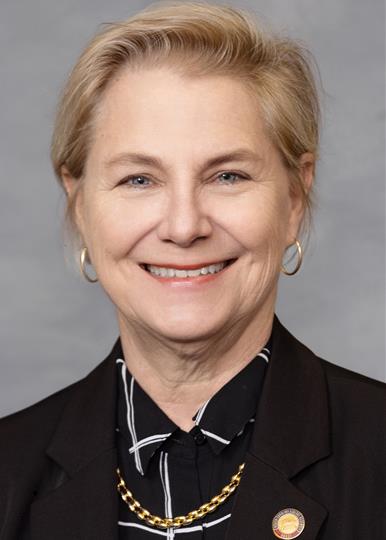
Amanda Cook
Amanda Cook House · District 60
D
Strong −
0% 20
Monika Johnson-Hostler
Monika Johnson-Hostler House · District 33
D
Strong −
8% 52
Marcia Morey
Marcia Morey House · District 30
D
Strong −
8% 52
Phil Rubin
Phil Rubin House · District 40
D
Strong −
8% 51
Deb Butler
Deb Butler House · District 18
D
Strong −
8% 50
Showing 671–680 of 687 bills

All budget & taxes bills

passed · North Carolina · Senate May 27, 2025

SB 131: Temp. Local Sales Tax Changes/Buncombe Co.

SB 131 authorizes Buncombe County to use existing local sales tax proceeds (allocated by the state) for any public purpose, removing prior restrictions on how these funds could be spent. It directly affects Buncombe County residents and local projects funded through these taxes. The bill allows the county to redirect funds toward any public need - such as infrastructure, parks, or services - without specific project limitations. This temporary measure applies to tax proceeds allocated on or after July 1, 2025, through June 30, 2027. The bill is pending legislative action and does not create new taxes or alter tax rates.
Sub-Topics Sales Tax
signed · North Carolina · House Jul 2, 2026

HB 332: Nash/Rocky Mount Occupancy Tax Changes.

HB 332 modifies Nash County's occupancy tax by allowing the county to add a 2% tax on top of the existing 3% tax for hotel/motel stays. This affects hotels, motels, and similar accommodations in Nash County (excluding nonprofits) and directs the new tax revenue to two entities: two-thirds to the Nash Tourism Development Authority for tourism promotion, and one-third to the City of Rocky Mount for approved tourism projects. The bill specifies that all funds must be spent exclusively on tourism-related activities like marketing, convention centers, or promoting travel within Nash County. It requires the county to first implement the base 3% tax before adding the additional 2% levy.
Sub-Topics Revenue
died · North Carolina · Senate Jun 12, 2025

SB 349: Property Tax Modifications.

SB 349 modifies North Carolina's property tax relief program for elderly or disabled homeowners. It changes the income eligibility limit for the homestead exclusion to automatically adjust annually based on Social Security cost-of-living adjustments (rounded to $100), while eliminating the requirement to pay deferred taxes under the property tax homestead circuit breaker. The bill directly affects qualifying homeowners aged 65+ or permanently disabled who own and occupy their primary residence, as it removes the deferred tax liability that previously accrued during eligibility. This change simplifies the program by ending the process where deferred taxes became due upon disqualifying events like property transfer or loss of residency.
Sub-Topics Property Tax
in committee · North Carolina · House Mar 13, 2025

HB 387: Eliminate Tax on Government Retirees.

HB 387 would exempt retirement income from North Carolina state income tax for retirees receiving payments from North Carolina state or local government retirement plans, or from federal government retirement plans (excluding certain federal plans covered elsewhere). The bill amends tax law to allow these retirees to deduct this income when calculating their taxable income, aligning with existing court rulings on the issue. This change would take effect for tax years beginning January 1, 2026.
Sub-Topics Income Tax
signed · North Carolina · Senate Jun 22, 2026

SB 695: Incent Development Finance District Funding.

SB 695, titled "Incent Development Finance District Funding," was introduced in 2025 but withdrawn from committee on April 28, 2025, without advancing further. The bill's title suggests it aimed to establish incentives for funding Development Finance Districts (DFDs), which are designated areas where local governments use special tax mechanisms to finance public improvements. However, no specific policy provisions or affected entities are described in the provided context, as the bill was withdrawn before committee action. Since it did not pass committee or receive a full legislative vote, no concrete policy changes were enacted.
Sub-Topics Business Taxes Tax Incentives Tags Economic Development
died · North Carolina · House Jun 25, 2025

HB 348: Annexation of Present-Use Value Land/School Capacity.

HB 348 extends the period for carrying forward deferred property taxes on agricultural, horticultural, and forest land from three to six years. It creates local grant programs for counties and cities, using the excess tax funds generated by this change, to provide financial support to qualifying farmers for farm sustainability. The bill also requires cities to obtain county commission approval before annexing land classified under present-use value taxation. These provisions directly affect farmers who qualify for present-use value property taxation and local governments managing tax funds and annexation decisions.
died · North Carolina · House Jun 25, 2025

HB 14: Gambling Loss Tax Deduction, NC Sound Money Act.

HB 14 allows North Carolina taxpayers who itemize deductions to claim a state income tax deduction for gambling losses, aligning with federal tax treatment. It directly affects individual taxpayers who itemize deductions on their North Carolina state tax returns and have wagering losses exceeding winnings. The bill amends state tax code to explicitly permit deducting gambling losses under Section 165(d) of the federal tax code, subject to federal rules. This change takes effect for taxable years beginning January 1, 2024. The bill does not alter federal tax rules or affect taxpayers using the standard deduction.
Sub-Topics Income Tax
signed · North Carolina · House Jul 1, 2025

HB 378: Various Education Law/Tax Account/Name, Image, and Likeness Changes.

HB 378 requires North Carolina public schools to evaluate long-term technology costs - including repair expenses and resale value - when purchasing devices like computers and tablets. Schools must report annually on the "break/fix rate" (the percentage of devices malfunctioning or needing repair before their expected lifespan), total device counts, and repair costs to the State Board of Education. The State Board will compile these reports and provide an annual summary with recommendations to the legislature for reducing device repair rates. This bill directly affects all public school units, including charter schools, by adding these reporting requirements to existing education laws.
Sub-Topics Procurement
signed · North Carolina · House Jul 29, 2025

HB 402: Limit Rules With Substantial Financial Costs.

HB 402 requires North Carolina state agencies to assess the financial impact of proposed permanent rules. If a rule would cost affected individuals or businesses $20 million or more over five years, it must be approved by the General Assembly before taking effect. For rules with a $1 million or more annual cost impact, agencies must prepare a fiscal note for review by the Office of State Budget and Management. The bill also mandates a two-thirds vote by agency boards to adopt rules exceeding the $1 million cost threshold. This directly affects state agencies creating regulations and the businesses or residents who would bear the costs of those rules.
in committee · North Carolina · House Sep 23, 2025

HB 118: Disabled Veterans Tax Relief Bill.

HB 118 modifies North Carolina's property tax exemption for disabled veterans, replacing a flat $45,000 exclusion with a percentage-based system tied to the veteran's VA disability rating. It directly affects veterans with a 50% or higher service-connected disability rating (or surviving spouses under specific conditions), allowing them to exclude a portion of their home's appraised value from property taxes - equal to their disability percentage. For example, a veteran with a 70% disability rating would exclude 70% of their home's value from taxes. The bill takes effect for taxes due in 2025 and prohibits combining this relief with other property tax exemptions.
Showing 671 to 680 of 687 bills