

Maddy summaryThis bill updates New York State finance laws to establish stricter rules for state agencies that fail to sign contracts with not-for-profit organizations on time. It creates a specific definition for a "noncompliant" agency, which occurs when an agency repeatedly misses deadlines for submitting or finalizing contracts with these organizations over a six-month period. To address these failures, the bill requires noncompliant agencies to submit detailed monthly reports to the state comptroller and their legislative leaders, explaining the delays and outlining steps to fix internal processes. Additionally, the law clarifies that any temporary written directives allowing not-for-profits to start work before a contract is fully signed must include a payment schedule and a warning that late payments will incur interest.
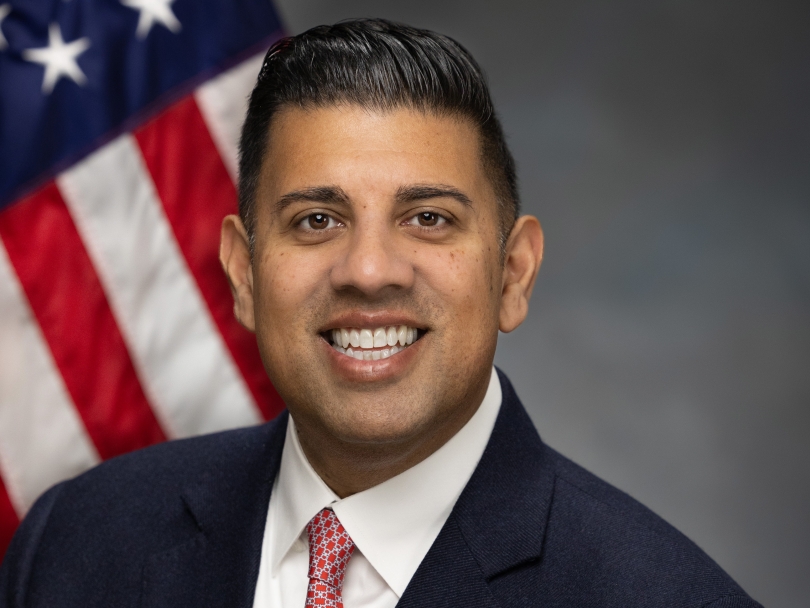
Sen. Jeremy Cooney
Sponsored bills
Prohibits insurers from reducing disability benefits due to the actual or anticipated receipt of social security disability benefits unless certain conditions are met.
Amends the eligibility criteria for game development companies by changing the yearly timeframe structure, lowering the dollar threshold per production, and removing the in-state cost incurred threshold to accurately fit current digital gaming industry models.
Maddy summaryThis bill establishes a legal framework for pet insurance policies in New York State by defining key terms such as preexisting conditions, chronic illnesses, and orthopedic issues. It requires insurance companies to clearly disclose how they calculate claim payments, list specific exclusions, and provide consumers with a 30-day "free look" period to review and return policies without penalty. Additionally, the legislation mandates that insurers make their definitions and payment formulas easily accessible on their websites to ensure transparency for policyholders.
Establishes a state frontotemporal degeneration registry; designates frontotemporal degeneration and related dementias as diseases required to be reported in the state; establishes a frontotemporal degeneration registry advisory committee to assist in the development and implementation of the registry; allows a patient to opt out of participation in the registry; requires annual reports to the legislature and governor on the incidents and prevalence of frontotemporal degeneration in the state by county; requires the department of health to create and maintain a webpage.
Grants peace officer status to certain security officers employed by Rochester Regional Health or its subsidiaries, on or adjacent to the grounds, buildings or property owned, controlled, or administered by Rochester Regional Health.
Maddy summaryThis bill increases the handling fee that beverage deposit initiators must pay to dealers or redemption center operators from 3.5 cents to 4.5 cents per container. The additional payment is intended to cover the costs of collecting, sorting, and packaging empty containers for transport. The law specifies that this fee cannot be tied to any sales requirements and must be paid separately from refund value accounts. It is set to take effect immediately and will automatically expire on December 31, 2025.
Requires the council on the arts to have members from each of the ten regions of the state; allows members appointed prior to the effective date to complete the natural end of their term before appointments shall be made in accordance with such requirement.
Maddy summaryThis bill prohibits insurance companies from denying homeowners or renters insurance, canceling policies, or charging higher rates based solely on a person owning a specific dog breed. It also bars insurers from limiting coverage for these policies if the only reason is the type of dog the policyholder has. The law applies to all insurance contracts issued, renewed, or modified after the bill takes effect, ensuring that breed alone cannot be used as a basis for discrimination in pet-related insurance decisions.
Maddy summaryThis bill raises the spending limit for regional off-track betting corporations to $35,000, allowing them to purchase equipment or hire contractors without a public bidding process for amounts at or below this threshold. The change directly impacts these corporations by simplifying their procurement rules, though it requires a two-thirds vote from the local governing body if the corporation decides a specific contract would not serve the public interest. By removing the previous $15,000 cap, the legislation gives these entities more flexibility in managing smaller purchases while maintaining oversight for larger expenditures.