

Provides that a student enrolled in an individualized education program during certain school years may continue to receive educational services until the student completes the services pursuant to the individualized education program or the end of the school year during which the student turns twenty-two years old, whichever is sooner.
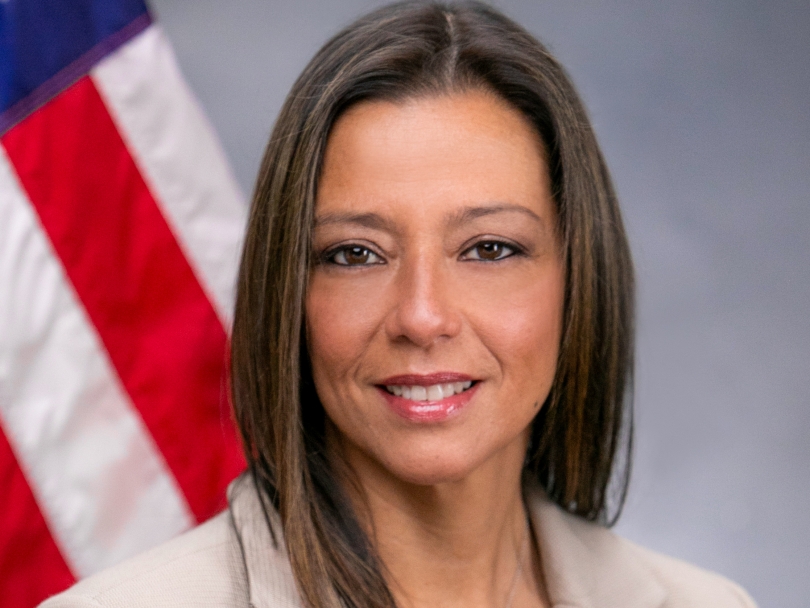
Sen. Monica Martinez
Sponsored bills
Maddy summaryThis bill extends the authority to regulate the number of Jonah crabs that can be caught for an additional two years, covering commercial crab permit holders and those with New York commercial lobster licenses. It allows state officials to set these catch limits through regulations that must align with existing fishery management plans from federal and regional commissions. The law takes effect immediately upon passage, ensuring continued oversight of the Jonah crab fishery without interruption.
Maddy summaryThis bill amends state laws to prevent public and private construction owners from withholding payment for building materials that have already been delivered, accepted, and meet quality standards. Under the new rules, owners must pay in full for these specific materials, which are defined as those covered by a manufacturer's warranty or graded to industry standards, rather than keeping them back as part of a general progress payment holdback. The legislation also clarifies that contractors cannot use the lack of full payment from an owner as an excuse to delay paying their own subcontractors and suppliers. Additionally, the bill mandates that contractors pay subcontractors within seven days of receiving funds from the owner and imposes interest charges if this deadline is missed.
Maddy summaryThis bill asks Governor Kathy Hochul to officially declare June 2024 as Dairy Month in New York. It aims to honor the dairy industry and acknowledge the work of the state's dairy farmers, who are a significant part of New York's agricultural sector. The resolution highlights the economic importance of dairy farming and the nutritional benefits of dairy products for the public.
Maddy summaryThis bill is a Senate resolution honoring the memory of Alfred Robert Mosiello, Jr., a police officer who passed away in May 2024. It formally records the Legislative Body's condolences and pauses its proceedings to mourn his death. The document details his life as a family man, law enforcement officer, and community member, and directs a copy of the resolution to his family.
Maddy summaryThis Senate Resolution commemorates the 100th birthday of Dorothy Bolden, honoring her lifelong advocacy for domestic workers. The bill recognizes her role in founding the National Domestic Workers Union of America and her influence on the creation of the National Domestic Workers Alliance. It formally acknowledges her legacy by pausing legislative proceedings to celebrate her contributions and sending a copy of the resolution to the New York chapter of the organization.
Maddy summaryThis bill is a Senate resolution that formally acknowledges the death of Judge Langston McKinney, a Syracuse City Court judge and U.S. veteran. The text honors his life by detailing his career as a lawyer, his military service, and his judicial work, which included establishing a community treatment court for nonviolent defendants. It also notes his legacy through the naming of McKinney Manor in his honor. The resolution concludes by directing a copy of the document to McKinney's family.
Relates to emergency medical services; establishes a special district for the financing and operation of general ambulance services; provides for a statewide comprehensive emergency medical system plan.
Prohibits the sale of vape products that resemble school supplies, toys, or are packaged or advertised in any way to appeal to or target minors or the youth population.
Maddy summaryThis bill prohibits employers from requiring employees to undergo fingerprinting or mandatory iris and retina scanning as a condition of getting or keeping a job. The law applies to private businesses and most public entities, but it explicitly excludes state employees, municipal workers, and staff at public or private hospitals and medical colleges. By banning these specific biometric identification methods for general employment, the legislation aims to prevent invasive screening practices while allowing them to continue in specific healthcare settings.