

Maddy summaryThis bill updates New York State finance laws to establish stricter rules for state agencies that fail to sign contracts with not-for-profit organizations on time. It creates a specific definition for a "noncompliant" agency, which occurs when an agency repeatedly misses deadlines for submitting or finalizing contracts with these organizations over a six-month period. To address these failures, the bill requires noncompliant agencies to submit detailed monthly reports to the state comptroller and their legislative leaders, explaining the delays and outlining steps to fix internal processes. Additionally, the law clarifies that any temporary written directives allowing not-for-profits to start work before a contract is fully signed must include a payment schedule and a warning that late payments will incur interest.
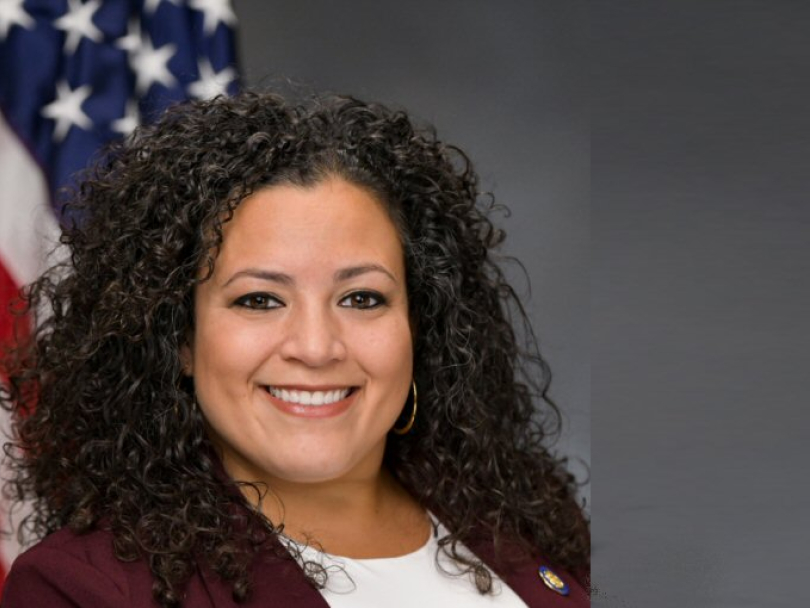
Sen. Nathalia Fernández
Sponsored bills
Prohibits the application of fail-first or step therapy protocols to coverage for the diagnosis and treatment of serious mental health conditions; defines serious mental health condition.
Provides an option for beneficiaries of NYC transit authority members to receive a lump sum equal to the pension reserve where a member who is eligible for a service retirement dies prior to filing for retirement.
Maddy summaryThis bill directs that one percent of the tax revenue generated from mobile sports betting be set aside specifically to fund education and treatment programs for problem gambling. The legislation ensures that this allocation is at least six million dollars per fiscal year, with the money managed by the state commission and deposited into the commercial gaming fund. Additionally, the bill establishes a separate five million dollar annual grant for youth sports activities aimed at underserved children under eighteen. The law requires monthly reporting and deposits by platform providers to ensure these funds are tracked and distributed correctly.
Maddy summaryThis bill authorizes New York state and its municipalities to create permanent memorials honoring those affected by COVID-19. It establishes a dedicated state fund to support these memorials through grants, donations, and other financial contributions. The law requires that memorial designs and locations be chosen through a community-driven process that prioritizes input from families and loved ones of victims. Additionally, the bill sets up specific financial rules to keep the memorial fund separate from other state money and allows for investment of unused funds.
Maddy summaryThis bill allows dental assistants and licensed practical nurses to apply topical fluoride varnish to patients. It updates state laws to include this specific task within the official scope of duties for these two groups of healthcare workers. The changes require that these services continue to be performed under the direct supervision of a licensed dentist or other authorized medical professional. By adding this procedure to their permitted activities, the bill expands the range of supportive care these workers can provide without altering their core roles or responsibilities.
Relates to the establishment of emergency management release plans to be developed for use in correctional facilities in the event of a state disaster emergency declared pursuant to executive order; establishes an advisory board to provide recommendations for the development of such plans; establishes criteria to be used to determine eligibility for emergency release of incarcerated individuals.
Extends the statute of limitations of actions related to certain sex trafficking offenses, reviving such actions otherwise barred by the existing statute of limitations; grants trial preference to such actions; exempts such actions from certain provisions requiring notice of claims.
Establishes an indirect source review for heavy distribution warehouse operations; requires the department of environmental conservation to conduct a study regarding zero-emissions zones.
Maddy summaryThis bill requires employers to inform employees that non-disclosure or non-disparagement clauses in their employment contracts do not prevent them from speaking with law enforcement, human rights agencies, or their own attorneys. The law mandates that employers explicitly state these provisions do not bar employees from discussing their cases with these specific entities. By adding this requirement to the labor law, the measure ensures workers are aware of their rights to communicate with regulators and legal representatives despite contractual restrictions.