Relates to increasing the earnings limitation for positions of public service; increases the earnings limitation from $35,000 to $50,000 in 2024 and thereafter.
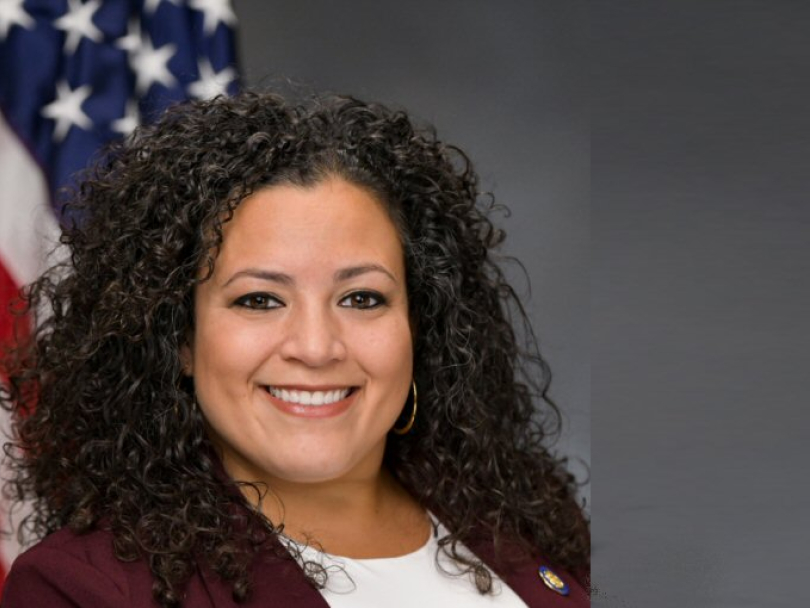
Sen. Nathalia Fernández
Sponsored bills
Relates to permitting support to a vulnerable elderly person testifying in grand jury proceedings; allows a social worker or informal caregiver to accompany a vulnerable elderly person testifying in a grand jury proceeding, concerning any type of offense, provided that the district attorney consents.
Maddy summaryThis bill updates insurance requirements for specific types of vehicles, including commuter vans, pre-arranged for-hire vehicles, and accessible vehicles, to allow them to be covered by risk retention groups. It permits these groups, which are not chartered in New York but are registered under federal law, to provide insurance for eligible non-profit organizations and certain other vehicles, provided they are not used solely for personal purposes by high-level officials or their families. The legislation also defines key terms such as "commuter van" and "accessible vehicle," ensuring that vehicles designed for people with disabilities meet specific equipment and accessibility standards. By amending the vehicle and traffic law, the bill expands the options for insurance coverage while maintaining restrictions on how these vehicles can be operated.
Creates a community doula expansion grant program to support community-based doulas and community-based doula organizations; provides funding for recruitment, training, certification, supporting, and/or mentoring of community-based doulas.
Maddy summaryThis bill allows licensed creative arts therapists to bill Medicaid directly for services they provide to patients. It updates existing state laws to include creative arts therapists alongside mental health counselors and marriage and family therapists as eligible providers for Medicaid-covered care. The legislation clarifies that this change does not alter the professional scope of practice for these therapists but simply enables them to receive payment directly from the Medicaid program. The bill would take effect approximately 90 days after it is signed into law.
Provides that no incarcerated individual in any state or local prison, penitentiary, jail or reformatory shall be compelled or induced to provide labor against their will.
Maddy summaryThis bill restricts the use of specific chemicals in menstrual products sold or distributed within the state. It defines "restricted substances" to include unsafe items like lead, mercury, and various phthalates, and prohibits their inclusion as intentionally added ingredients immediately upon the law's effective date. Additionally, the bill requires the Department of Health to set lower safety thresholds for these chemicals within two years, with a mandate to review and potentially lower those limits every five years. The legislation applies to all menstrual products, including tampons, pads, and cups, and takes effect twelve months after becoming law.

Maddy summaryThis bill establishes comprehensive health and safety standards for pregnant and postpartum individuals in correctional facilities and their young children. It mandates access to full prenatal, obstetric, and postpartum medical care, including pain management during delivery and treatment for substance use disorders, while ensuring privacy and freedom from discrimination. The legislation also allows children born to incarcerated parents to remain with their mothers in the facility until the child is eighteen months old, or until the parent is paroled if that occurs before the child turns twenty-four months, with strict limits on removing children from their parents.
Provides that for treatment of substance use disorder, an insured shall only be responsible for annual deductibles and coinsurance and that the total amount that an insured shall be required to pay out-of-pocket is capped out at an amount not to exceed five hundred dollars for an episode of care.
Maddy summaryThis bill requires all municipalities to create and maintain an official website using a .gov domain that is regularly updated and accessible to the public. The law mandates that these sites include basic information such as operating hours, elected officials, and services, along with a clear privacy policy explaining how personal data is collected and used. Additionally, the websites must provide specific documents like meeting agendas and minutes, local laws, and financial reports including budgets and audit results. Municipalities must also ensure that financial documents are available on their sites unless those records are already required to be posted elsewhere by existing public officers laws.