

Maddy summaryS 4304, the "Paid Sick Leave Act," requires all employers (including state/local governments) to provide paid sick leave to employees. Employees earn one hour of paid sick leave for every 20 hours worked, up to 80 hours annually (40 hours for small businesses with fewer than 10 employees), for their own illness, medical care, or caring for family members (including adopted/foster relatives). The law prohibits employer retaliation for using sick leave, mandates workplace posting of employee rights, and requires employers to maintain records for four years. It applies to all employees regardless of work schedule or employment status.
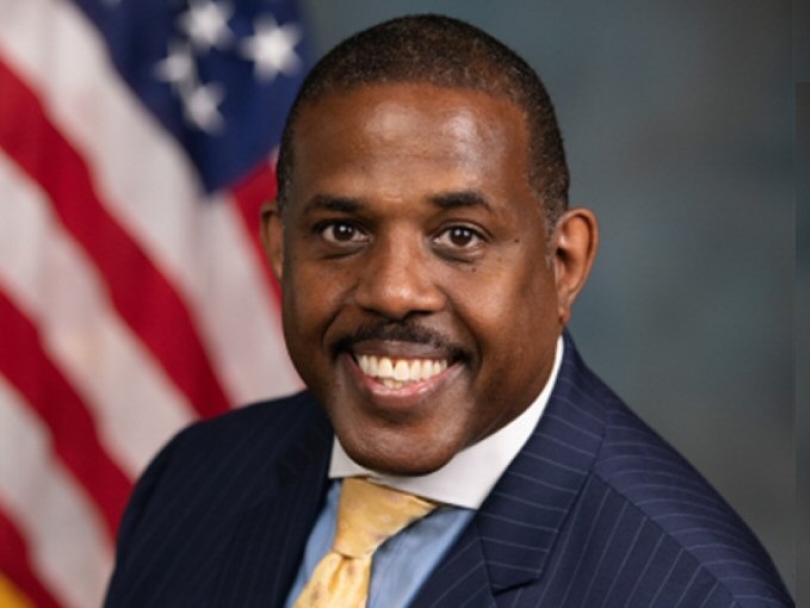
Sen. Kevin Parker
Sponsored bills
Authorizes the commissioner of housing and community renewal to maintain a housing registry of accessible or adaptable housing for the disabled called "Access-New York"; provides that certain owners shall provide certain information in relation to "Access-New York"; establishes a special advisory review panel to assist the commissioner in performance of duties of "Access-New York".
Maddy summaryThis bill amends New York's Penal Law to establish that a person is legally incapable of consenting to sexual activity if they are a witness, victim, suspect, or person of interest in an ongoing law enforcement investigation, and the other person is a law enforcement official involved in that investigation. It specifically creates this incapacity for individuals under investigation, with an exception: prior consensual relationships before the investigation began do not affect this rule. The law applies when the actor (the person accused) is a law enforcement official who knows or should know the victim was involved in the investigation. This change modifies existing consent provisions in the Penal Law to address power dynamics during active police investigations.
Maddy summaryThis bill prohibits housing discrimination based on credit scores, adding it as a protected characteristic under New York's existing anti-discrimination law. It directly affects landlords, real estate agents, and housing providers who must now refrain from refusing rentals or sales, making discriminatory inquiries, or using biased advertising based on a person's credit history. Key provisions ban practices like denying housing availability, setting unequal terms, or printing ads that limit housing due to credit scores. The law expands current protections that already cover factors like race, gender, and disability, specifically including credit score in housing transactions.
Relates to the issuance of driver's licenses and emergency medical personnel designation; allows the use of alternate forms of identification where an applicant for a driver's license does not have a social security number or Individual Tax Identification Number.
Maddy summaryThis bill requires New York's Commissioner of Health to create and distribute educational materials for restaurant owners and staff about food allergens. The materials must cover informing customers about allergens in menu items, explaining cross-contamination risks during food preparation, and recognizing symptoms of severe allergic reactions. Restaurants must receive this information "as soon as practicable" after the law takes effect. The bill directly affects all public eating establishments (restaurants, cafes, etc.) by mandating staff training on allergen safety.
Maddy summaryThis bill prohibits degree-granting colleges and universities in the state from considering an applicant's family connection to a graduate when making admission decisions. It directly affects all public and private higher education institutions that admit students. The key provision bans using "legacy preference" (favoring applicants with family members who graduated) as a factor in admission standards, though institutions may still ask about family graduation history after an admission offer is accepted for data collection purposes. The law takes effect on July 1st following its enactment.
Maddy summaryThis bill amends New York State's General Municipal Law to update provisions governing intergovernmental relations councils. It allows counties, cities, towns, school districts, fire districts, and other local entities to form councils that can conduct studies, share information, cooperate with agencies, and operate as purchasing consortia to save costs on goods and services. Participating local governments must adopt bylaws, elect officers, and fund council operations through their annual budgets. The bill directly affects local governments seeking to collaborate on shared services and administrative efficiency. (3 sentences)
Authorizes the county of Monroe to establish and implement a two-year universal basic income pilot program of 1000 participants chosen randomly from applicants residing in the county; provides $500 additional income per month for the duration of the program to the participants; requires findings on the effect of such additional income on the health, stress levels, and mental health of each participant and their household, information of the effects on the income level of each participant and if it alleviated poverty for any participant experiencing poverty; requires other information to be determined and examined; makes related requirements.
Maddy summaryS 4251 requires election boards in cities with over one million residents to provide all voting information - including registration forms, ballots, and website content - in Haitian Creole to ensure Haitian Creole speakers can participate effectively. It mandates a citywide booklet with voter registration forms (English with Haitian Creole instructions), absentee ballot guidelines, and FAQs in Haitian Creole. Additionally, polling locations in counties with at least 5% Haitian-identifying residents must offer Haitian Creole interpreters during elections. The bill applies specifically to large cities and counties meeting the population threshold, focusing on concrete language access for voters.