

Maddy summaryThis bill imposes a tax on sugary drinks based on their sugar content per 12-ounce serving. Distributors (like manufacturers and wholesalers) pay the tax, which is added to the retail price: no tax for drinks with ≤7.5g sugar/12oz, $0.01 per ounce for 7.5-30g, and $0.02 per ounce for ≥30g. Revenue from this tax funds a "community health equity fund" as specified in the bill's abstract. The tax applies to most nonalcoholic beverages containing added sugars, excluding medical drinks, milk, natural fruit/vegetable juices, and water.
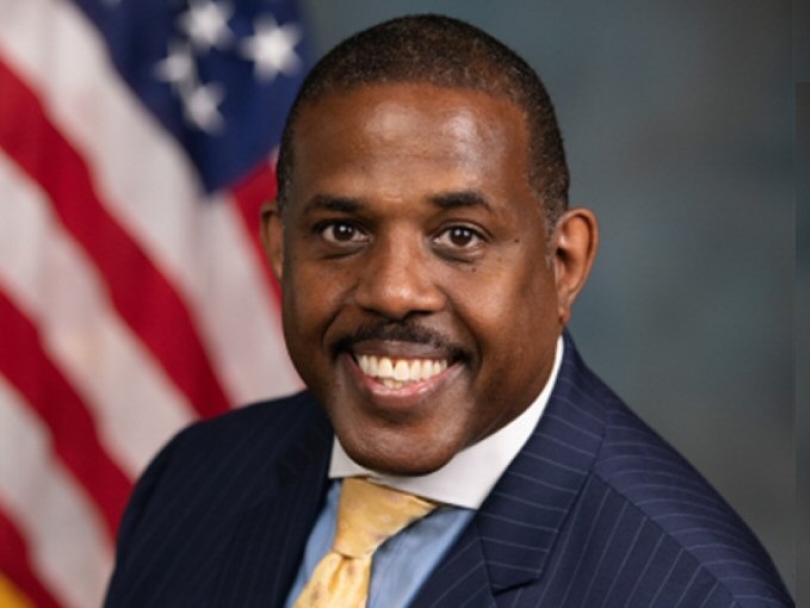
Sen. Kevin Parker
Sponsored bills
Maddy summarySenate Bill 7691, the Artificial Intelligence Literacy Act, aims to enhance understanding of artificial intelligence across the state. It establishes a competitive grant program to provide funding to public elementary and secondary schools, community colleges, institutions of higher education, and community organizations. These grants will support initiatives designed to educate individuals on the basic principles, applications, implications, limitations, and ethical considerations of AI. The program prioritizes applicants that demonstrate a high level of need, such as those with limited access to computer science education or from low-income households, to foster digital equity.
Maddy summaryThis bill requires all SUNY and CUNY colleges to post campus crime statistics, including sexual assault data, on their websites with clear links to federal reports and hate crime statistics. It mandates appointing a dedicated coordinator (with a bachelor's degree in relevant fields) to manage Title IX compliance and maintain a searchable complaint database accessible online. Colleges must also administer standardized, anonymous mid-semester surveys about on-campus sexual assault (defined as offenses in New York Penal Law §130) to all students. Failure to comply risks suspension of state administrative funds, though student services and faculty salaries remain protected.
Enacts "private environmental law enforcement act"; authorizes any private citizen who has an interest which is or may be adversely affected to commence civil judicial actions for injunctive or declaratory relief to remedy environmental harms under certain circumstances; provides that such action may be commenced against any person for any violation of an administrative or court order compelling an investigation or remediation of an inactive hazardous waste disposal site.
Provides that a state employee whose position is eliminated for certain reasons and who is subsequently transferred to a different agency be entitled to the same hourly salary, retain all accrued sick leave, retain, cash out or use all accrued vacation time, and be paid relocation expenses.
Requires municipalities to test the quality of their public internet service including the average range, speed, effectiveness and security; requires each municipal corporation to annually post the results of such testing on its website and to include information on internet safety and security including how members of the public can protect themselves when using publicly available internet services.
Maddy summaryS 2487 establishes the New York Artificial Intelligence Ethics Commission to oversee ethical AI use within the state. The commission, composed of nine members appointed by state leaders, sets guidelines for AI development and deployment, reviews projects for compliance, handles complaints, and certifies ethical AI systems. It directly affects New York state agencies and private companies operating in the state that use AI, prohibiting discriminatory practices, unauthorized surveillance, privacy violations, and deceptive AI use. The commission can impose fines or injunctions for violations and must submit annual reports to the governor and legislature. This bill creates concrete oversight mechanisms to ensure AI systems comply with ethical standards before deployment.
Establishes the temporary state commission on intimate partner violence, within the office for the prevention of domestic violence, to study, report on and make recommendations on the prevalence, causes, effects, risks and costs of such violence.
Relates to requiring agencies to provide unsuccessful bidders that are certified minority- and women-owned business enterprises with a written statement of the completion of the procurement selection process and that such enterprise was not selected.
Requires employers to provide up to ten additional days of unpaid leave for absences when the employee or employee's family member has been the victim of domestic violence, a family offense, sexual offense, stalking or human trafficking upon the employee's request for reasons related to such offense or offenses.