

Maddy summaryThis bill (S 4185) changes penalties for drivers who flee an accident scene without reporting. It reclassifies the basic offense - leaving without exchanging information or reporting - as a class E felony (previously a misdemeanor), with fines of $1,000-$2,500. If the accident causes serious injury, it becomes a class E felony ($1,000-$5,000 fine); if it causes death, it becomes a class D felony ($2,000-$5,000 fine). The bill directly affects drivers who fail to stop and report after collisions, increasing penalties for this specific behavior.
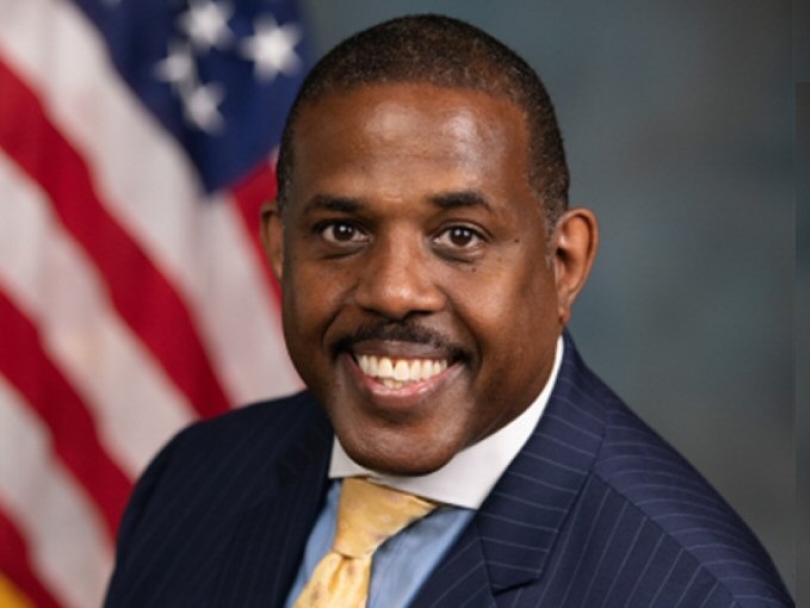
Sen. Kevin Parker
Sponsored bills
Relates to a minority and women-owned business enterprise participation goal requirement in order to receive exemption of new multiple dwellings from local taxation.
Creates a fifteen member sustainable development task force to study the feasibility of adopting a goal oriented and performance based regulatory system to achieve the goal of sustainable development in the state; sets forth certain goals and makes provision for organization of the task force.
Authorizes certain municipalities to participate in a community-wide energy aggregation program where they can request bids, select an energy service provider, install energy efficiency measures and develop local renewable energy facilities to provide electric and/or gas supply services, including gas efficiency and renewable heating technologies to participating customers.
Provides for the establishment of life long learning centers within the state university of New York to provide courses in community colleges and colleges and universities in the state university system for persons 40 years old or older who are seeking to explore life options, remain civically engaged, continue their education and acquire skills for or begin to plan for a second career.
Establishes a state high speed rail planning board; requires the planning board to report to the governor and legislature two years from the effective date with a plan for financing of high speed rail and the organizational entity which would oversee and operate New York's high speed rail program.
Creates a disabled person retrofit tax credit; provides a tax credit that is equal to thirty percent of the cost of expenditures, up to $5,000 for making qualified improvements.
Relates to residency requirements for paid firefighters in a city with a population of one million or more; requires any person appointed as a paid member of the uniformed force of a paid fire department of a city with a population of one million or more to become a resident of any political subdivision or municipal corporation within such city within one year of their appointment and to continue to reside within any such political subdivision or municipal corporation.
Relates to enacting the "New York photovoltaic module stewardship and take-back program act"; provides that the department of environmental conservation shall develop guidance for a photovoltaic module stewardship and take-back program to guide manufacturers in preparing and implementing a self-directed program to ensure the convenient, safe, and environmentally sound take-back and recycling of photovoltaic modules and their components and materials; establishes the photovoltaic module recycling account for the purpose of paying all costs of the department of environmental conservation for management and administration of the New York photovoltaic module stewardship and take-back program.
Maddy summaryThis bill establishes a 5-year demonstration program in New York to train law enforcement officers in responding to mental health and substance use crises. It creates a dedicated "crisis intervention team training fund" (using federal/private grants) to support 40-hour mental health training for police officers and coordinate partnerships between law enforcement, mental health providers, and community advocates. The program requires a state coordinator to work with police departments, develop community partnerships, and provide alternatives to incarceration for individuals in crisis. An advisory committee with diverse stakeholders (including mental health consumers, families, and law enforcement) will review annual reports and make recommendations to state agencies. The program directly affects municipal police departments, mental health service providers, and individuals experiencing mental health or substance use crises.