

Maddy summaryThis bill restricts health care employers from requiring nurses or health care workers (excluding doctors, residents, and security staff) to work more than their regularly scheduled hours, except in specific emergencies or during ongoing surgical procedures. It defines "regularly scheduled work hours" to include pre-scheduled on-call time and shift report communication, and prohibits using on-call time as a substitute for mandatory overtime. Exceptions include health care disasters, official emergency declarations, unanticipated staffing emergencies, or procedures requiring continuous presence for patient safety. The law aims to protect patient care quality by limiting excessive work hours, without affecting existing rights under other laws or collective bargaining agreements.
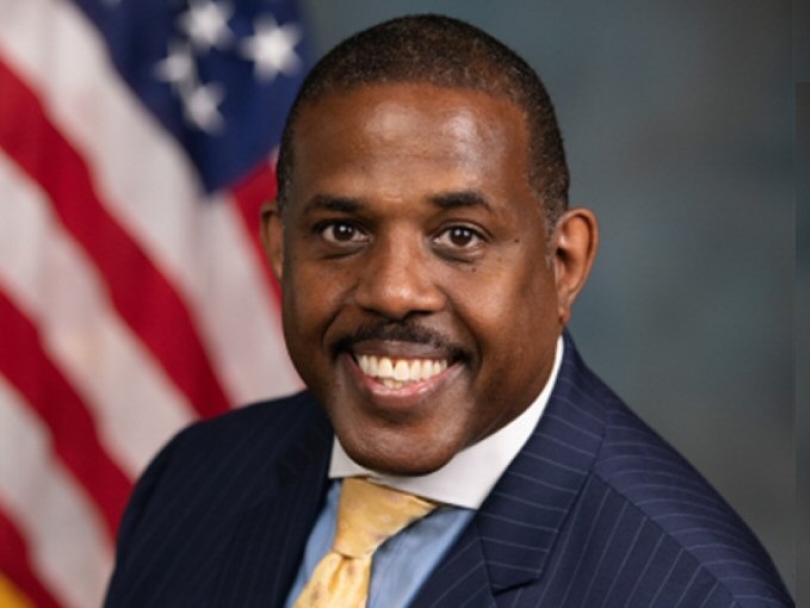
Sen. Kevin Parker
Sponsored bills
Maddy summaryThis bill, the "Raise the Wage Act," increases New York's minimum wage to $21.25 per hour in New York City by 2028, $17.25 in the city's suburbs (Nassau, Suffolk, Westchester) by 2026, and gradually across the rest of the state. It repeals current static wage provisions and establishes automatic annual adjustments tied to inflation and productivity, mirroring the formula used for upstate wages since 2022. The bill directly affects all hourly workers covered under New York's labor law, particularly in low-wage sectors like home care and childcare. This indexing mechanism aims to prevent future erosion of purchasing power, ensuring wages keep pace with rising living costs.
Establishes a culturally responsive education curriculum and standards; requires all school districts, charter schools and private schools to integrate culturally responsive education throughout the education of all students at all grade levels; establishes a pilot program in culturally responsive education; appropriates $25,000,000 therefor.
Maddy summaryThis bill, S 2710, changes retirement rules for New York City police officers by reducing the required service time for full retirement benefits from 22 years to 20 years. It specifically applies to members of the New York City Police Pension Fund, allowing them to retire with full benefits after 20 years of service instead of the previous 22-year requirement. The bill amends three sections of the retirement law to update definitions, benefits, and eligibility, ensuring NYC police officers can access normal retirement benefits at the 20-year mark. This is a direct policy change affecting NYC police officers' retirement timelines, with no broader application to other public safety workers.
Maddy summaryS 1070 establishes a New York State Civilian Complaint Review Board to independently investigate complaints about misconduct by police and peace officers. The board, composed of nine public members without law enforcement experience, will handle complaints confidentially, complete investigations within six months, and recommend disciplinary action to the officer's employer or the district attorney if no action is taken within 30 days. This bill directly affects police and peace officers by subjecting misconduct claims to civilian oversight and provides a formal process for the public to file complaints without needing to be a victim.
Enacts the "Lydia Peikon Cotz act"; provides domestic violence victims and crime victims with supervision while taking depositions; directs the court to provide a secure location within the courthouse, and a court officer, for such persons taking depositions.
Maddy summaryThis bill (S 4299) allows injured workers covered by New York's workers' compensation program to receive acupuncture treatment from licensed or certified acupuncturists. It directly affects injured employees seeking treatment, acupuncturists who must meet specific education law requirements, and employers who must cover these services. Key provisions include requiring acupuncturists to submit treatment records to the state, establishing a fee schedule based on practitioner type (licensed vs. certified), and mandating that acupuncturists bill employers directly - not injured workers - within 48 hours of the first treatment. The bill also sets rules for dispute resolution over treatment fees and requires employers to allow impartial examinations of billing disputes.
Maddy summaryThis bill amends New York City's education law to adjust admission criteria for specialized high schools like Stuyvesant, Bronx Science, and Brooklyn Tech. It changes the top percentile requirement for public school students from the top 3% (for 2026-2027 admissions) to the top 5-7% (for 2028+ admissions), based on multiple academic measures. The bill also clarifies that students can take the entrance exam in either eighth or ninth grade and specifies how reserved spots are allocated. These changes apply specifically to NYC public school students seeking admission to the city's specialized high schools, with no new schools added to the current list.
Compels the delivery of real property subject to a fraudulent transfer to the person entitled thereto; provides for the recording of judgments and orders relating to a fraudulent conveyance of title to property.
Maddy summaryThis bill creates a temporary 12-member Senior Driver Safety Commission to study safety issues affecting drivers aged 70 and older. The commission, appointed by state leaders, must study causes of senior driver accidents (like vision loss and reaction time), evaluate current laws, and recommend safety improvements within 180 days. It will report findings to the governor and legislature but expires 180 days after the bill becomes law. The bill is named after Bill Geller, who was killed by an elderly driver, and aims to address New York's lag in age-appropriate driving safeguards.