

Maddy summaryBill A 945, known as "Jacobe's Law," requires school administrators to contact the parents or guardians of students when a verified incident of bullying, harassment, or discrimination has occurred. Designated school employees must first investigate and confirm the incident. Following verification, a school professional will discuss any health, safety, or privacy concerns with the students involved. If no such concerns are expressed, the school will make a good faith effort to contact the parents; if concerns are raised, the professional will use their judgment to determine if parental contact is in the student's best interest. The bill also provides immunity from civil liability for individuals who report such incidents in good faith.
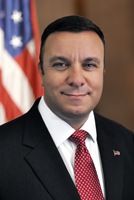
Asm. Karl Brabenec
Sponsored bills
Maddy summaryThis bill updates the definitions and requirements for organizations that provide fiscal intermediary services within the consumer directed personal assistance program. It establishes a new category of "Fiscal intermediary" alongside the existing "Statewide fiscal intermediary," allowing certain entities, like those with Department of Health contracts or independent living centers, to operate in this role. These new fiscal intermediaries will have the same status as the Statewide fiscal intermediary and can directly contract with managed care plans and other programs. The bill also removes the procurement process requirement for the Statewide fiscal intermediary and streamlines registration rules for these service providers.
Requires every school district to conduct a transition feasibility analysis within the next succeeding school year as of the effective date of this act, and every five years thereafter, to determine the feasibility of using zero-emission school buses on current routes.
Maddy summaryBill A 6586 requires health insurance plans and Medicaid to cover patient navigation services for individuals with serious conditions expected to last at least three months and at high risk of hospitalization, nursing home placement, or health decline. These services help connect patients to social supports like transportation, housing, food assistance, and healthcare appointments, and include referrals, enrollment help, and care coordination. Certified navigators (trained through approved programs) must provide these services under a healthcare provider's supervision. The law applies to all medical, major medical, and comprehensive insurance policies, ensuring coverage for high-risk patients who need help accessing care.
Establishes a certified transitional tax credit for taxpayers that demonstrate their agricultural products were sold during a period of transition into USDA organic certification, under the Whole Foods Market IP. L.P. "responsibly grown" labelling program, or under the QAI and Hesco, Inc. "certified transitional" label.
Directs the department of labor and the office for people with developmental disabilities to study and report on the wages earned by those who help, assist, support, and/or work with the developmentally disabled.
Maddy summaryThis bill requires the state to reimburse counties for the full cost of document management software specifically designed for child welfare services (e.g., cases involving child abuse, neglect, or maltreatment). It directly affects counties operating child welfare programs that purchase or plan to purchase such software to create paperless systems for managing case documentation. The state will fund reimbursements from the general budget, requiring counties to provide proof of purchase (like receipts) for eligible software that uses advanced capture, storage, and retrieval technology. The reimbursement applies to both past purchases and future planned purchases made by counties serving child welfare cases.
Provides a preference for New York state contractors for purposes of public works contracts; authorizes the commissioner of economic development and the commissioner of labor to promulgate necessary rules and regulations; requires a report to the legislature; makes related provisions.
Maddy summaryThis bill requires the MTA to create a half-fare program for eligible New York State veterans using public transportation. It applies specifically to veterans who are New York residents, honorably discharged from U.S. military service, and possess a valid New York veteran ID card. The MTA must establish the program but cannot fund it from its regular operating or capital budgets; instead, it can only implement it using state funds specifically allocated for this purpose. The bill defines "veteran" clearly and mandates that the program be implemented with state appropriations.
Creates a tax credit for small businesses that sell a certain percentage of products produced in New York state; provides such small businesses include independently or privately-owned cafes, restaurants, eateries, bars, pubs, breweries, distilleries, orchards, food trucks, retail stores, farm stands, hotels, or motels.