Establishes the New York State social housing development authority as a public benefit corporation to increase the supply of permanently affordable housing in the state through the acquisition of land and renovation or rehabilitation of existing real property, and through the construction of new, permanently affordable housing.
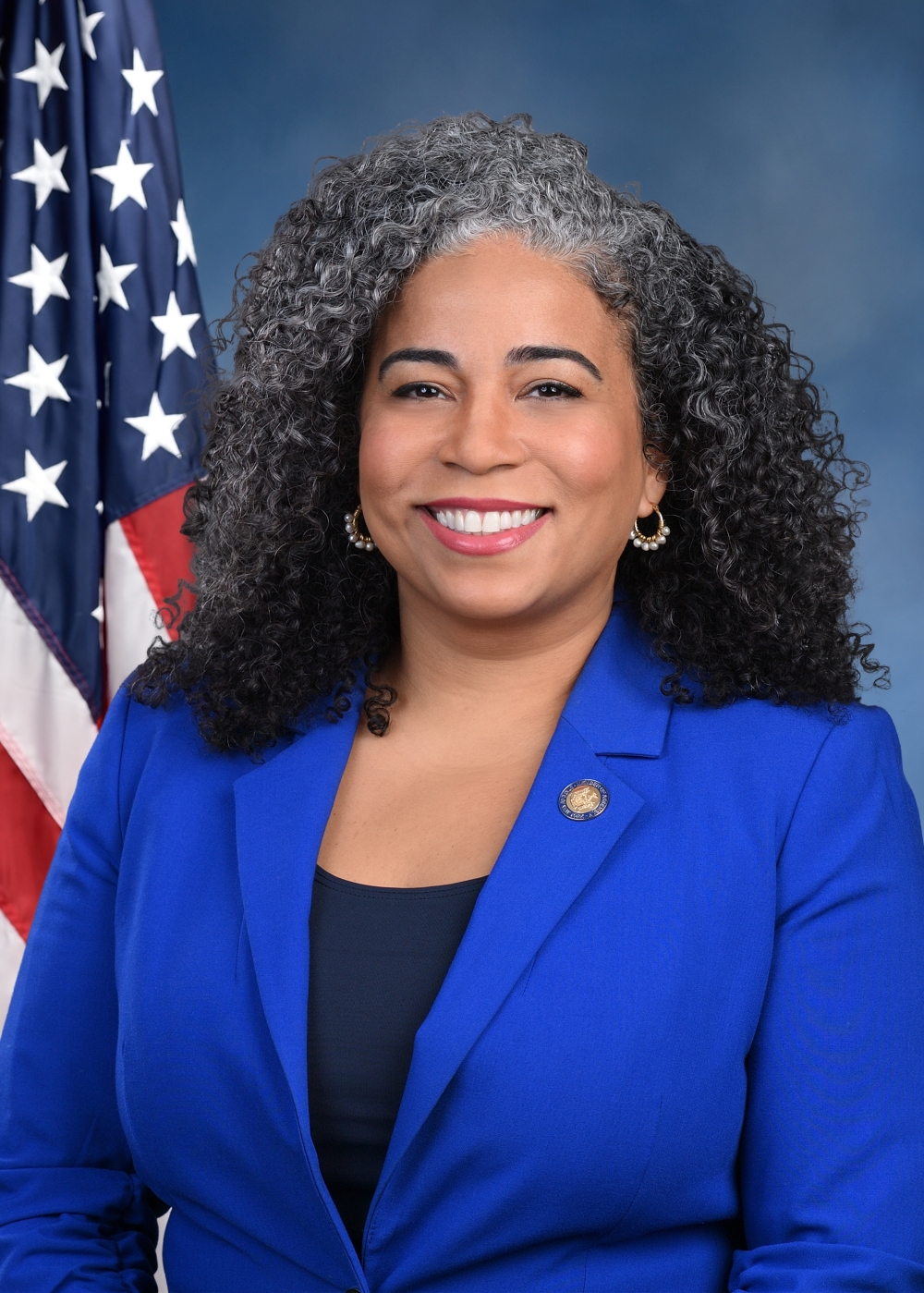
Asm. Karines Reyes
Sponsored bills
Relates to dental laboratories; defines terms; requires any dental laboratory operating, doing business, or intending to operate or do business in this state to register with the department of health; makes related provisions.
Maddy summaryThis bill (A 999) updates New York's definition of developmental disability in the mental hygiene law to explicitly include fetal alcohol spectrum disorders (FASD), covering conditions like fetal alcohol syndrome (FAS), partial FAS, and alcohol-related neurodevelopmental disorder (ARND). It directly affects individuals with FASD who meet specific criteria: being over age 7, having a diagnosed FASD by a qualified provider, having the condition start before age 22, showing it will likely continue indefinitely, and experiencing significant impact on daily living activities. The key mechanism is adding these FASD conditions to the list of qualifying disabilities, aligning them with existing conditions like autism or cerebral palsy for eligibility purposes. This change ensures FASD is formally recognized under the state's developmental disability framework, affecting how individuals access related services and support.

Maddy summaryThis bill imposes an additional tax on New York residents' long-term investment profits, specifically targeting income from capital gains, dividends, and other low-taxed investments. It applies to higher earners: individuals with taxable income over $400,000 (or $500,000 for married couples filing jointly) face a 7.5% tax on capital gains above those thresholds, with a higher 15% rate kicking in above $800,000 (or $1 million for couples). The tax phases in gradually over the first $50,000 or $100,000 of income exceeding the thresholds. It functions as an add-on to existing income tax, not a replacement, and will be administered by New York’s tax department.
Enacts the "Empowering People in Rights Enforcement (EMPIRE) Worker Protection Act"; relates to the delegation of state enforcement authority to private actors; authorizes an affected employee, whistleblower, representative organization or an organizational deputy to initiate a public enforcement action on behalf of the commissioner for certain provisions of the labor law, or any regulation promulgated thereunder.
Repeals the tax exempt status of private universities that received real property tax exemptions of one hundred million dollars or more during the prior fiscal year.
Maddy summaryThis bill updates how New York City and local municipalities can capture value from mass transportation projects, making transparency requirements permanent. It requires cities to publish two analyses before public hearings: property value projections showing increased tax revenue from projects, and transportation service benefits, both in machine-readable formats. Municipalities may then use specific value-capture methods like tax increment financing, special transportation assessments, or land value taxation to fund projects, with revenue limits tied to actual property benefits. The bill directly affects NYC and local governments contracting with the MTA to finance transportation capital projects benefiting specific districts.
Maddy summaryThis bill prohibits landlords, lessors, sub-lessors, and grantors from requiring tenants to pay broker fees. It directly affects residential tenants by preventing landlords from charging them for brokerage services related to lease applications or tenancy. The law allows landlords to still charge for background and credit checks, but bans all other upfront fees like broker commissions. Exceptions apply to certain senior living communities and cooperative housing corporations under specific conditions.
Maddy summaryThis bill amends the state constitution to allow lawmakers to change or remove tax exemptions for private colleges and universities. Currently, exemptions for properties used by educational institutions are protected, but this bill specifically removes that protection for private higher education. The key provision changes constitutional language to state that exemptions for private college real estate "may be altered or repealed." This would directly affect private colleges and universities that currently receive property tax breaks on their buildings and land. The bill is a constitutional amendment requiring Senate approval and a future legislative session before taking effect.
Provides protections for telecommunications tower technicians, including requiring certain trainings during work hours without a loss of pay; requires certain reporting by bidders for telecommunication contracts.