

Relates to adding fetal alcohol spectrum disorders to the definition of developmental disability
This bill (A 999) updates New York's definition of developmental disability in the mental hygiene law to explicitly include fetal alcohol spectrum disorders (FASD), covering conditions like fetal alcohol syndrome (FAS), partial FAS, and alcohol-related neurodevelopmental disorder (ARND). It directly affects individuals with FASD who meet specific criteria: being over age 7, having a diagnosed FASD by a qualified provider, having the condition start before age 22, showing it will likely continue indefinitely, and experiencing significant impact on daily living activities. The key mechanism is adding these FASD conditions to the list of qualifying disabilities, aligning them with existing conditions like autism or cerebral palsy for eligibility purposes. This change ensures FASD is formally recognized under the state's developmental disability framework, affecting how individuals access related services and support.
Bill status
in committee
1 of 4 stages cleared
Introduction
Jan 2025
Committee Review
Floor Vote
Governor
Introduced Jan 8, 2025
Last action Jan 7, 2026
Maddy AI version diff · 1 comparison
What changed between versions
A999
→
A999A
·
4 edits
MODERATE
This bill updates the definition of developmental disability in New York to include fetal alcohol spectrum disorders (FASD) as a distinct category. It adds specific eligibility requirements for individuals with FASD, such as a minimum age of seven and a diagnosis made by a qualified provider, while separating FASD from other conditions like autism in the legal text.
Scope change
The bill expands the scope of the Mental Hygiene Law to explicitly recognize FASD as a qualifying developmental disability, whereas the previous version listed it as just one item in a long string of conditions without specific criteria.
ELIGIBILITY
New specific criteria were added for FASD eligibility, requiring the individual to be over age seven, have a diagnosis by a provider, show onset before age twenty-two, and demonstrate a substantial impact on daily living.
DEFINITION
The legal structure was changed to separate FASD into its own distinct clause (ii) rather than listing it alongside other conditions in a single paragraph, clarifying that it has unique requirements.
TIMELINE
The effective date of the law was changed from immediate implementation to twenty-four months after it becomes law.
REQUIREMENT
New procedural requirements were added mandating that FASD diagnoses must be made by a qualified provider to qualify for benefits.
Floor votes
How they voted
No floor votes recorded yet.
Full legislative history
Actions timeline
Total actions
5
Key actions
2
Committee
3
Amendments
2
Jan 7, 2026
Committee
REFERRED TO WAYS AND MEANS
lower
Nov 24, 2025
Lower · Passed
PRINT NUMBER 999A
lower
Nov 24, 2025
Lower · Passed
AMEND AND RECOMMIT TO WAYS AND MEANS
lower
Mar 25, 2025
Committee
REPORTED REFERRED TO WAYS AND MEANS
lower
Jan 8, 2025
Committee
REFERRED TO PEOPLE WITH DISABILITIES
lower
1 primary · 15 co-sponsors
Sponsors
Role
Legislator
Party
State
District
P
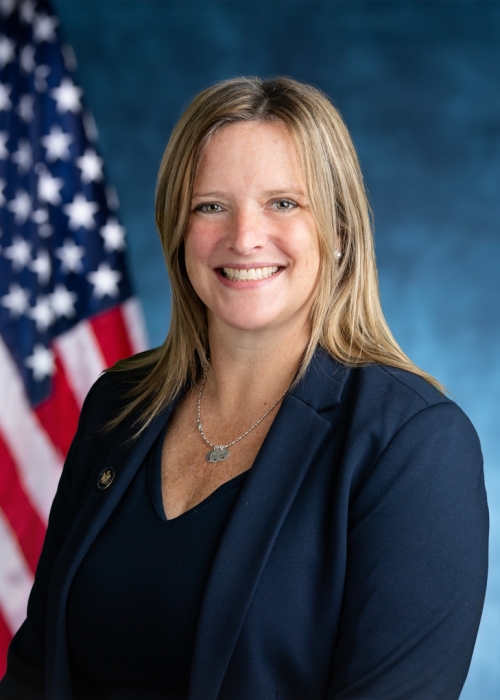
Sarah Clark
DDemocratic/Working Families
Co
Andrew Hevesi
DDemocratic
Co
Angelo Santabarbara
DDemocratic
Co
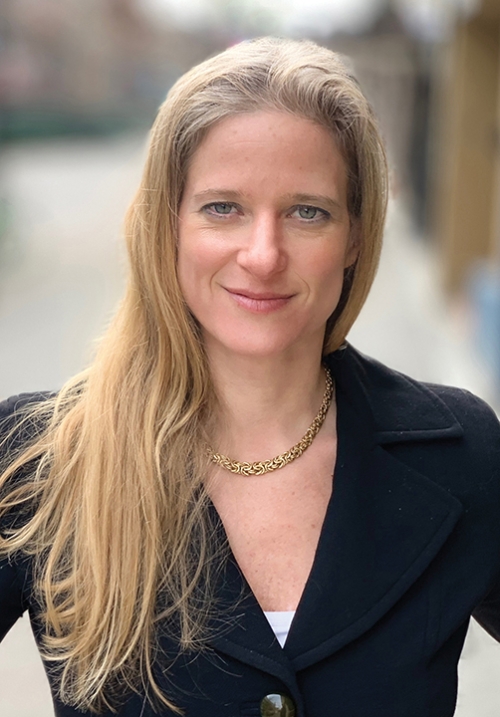
Anna Kelles
DDemocratic/Working Families
Co
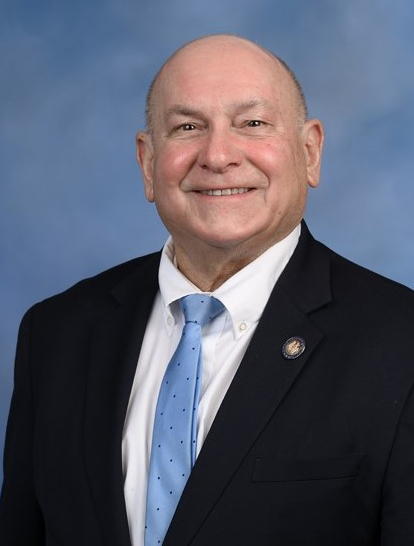
Chris Burdick
DDemocratic/Independence/Working Families
Co
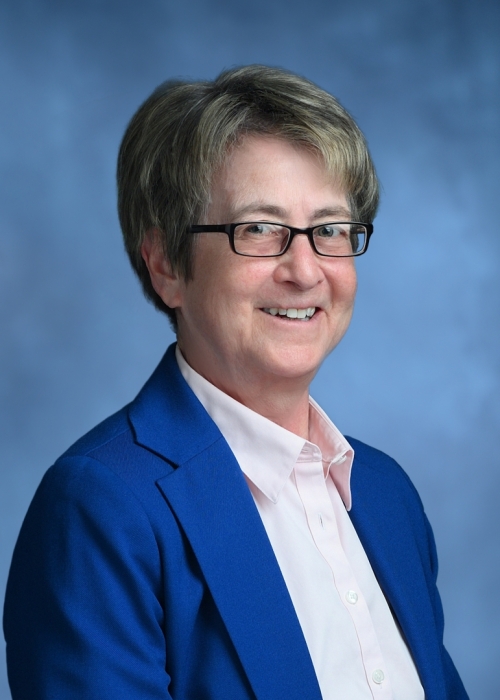
Deborah Glick
DDemocratic
Co

Demond Meeks
DDemocratic/Working Families
Co
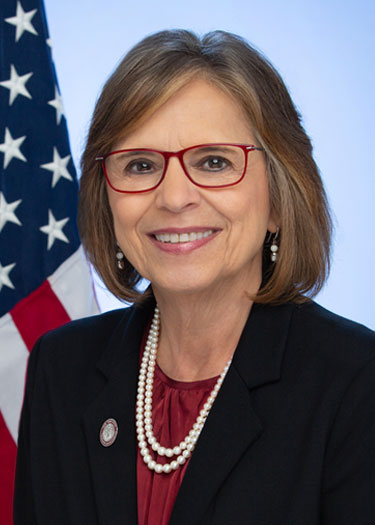
Donna Lupardo
DDemocratic
Co
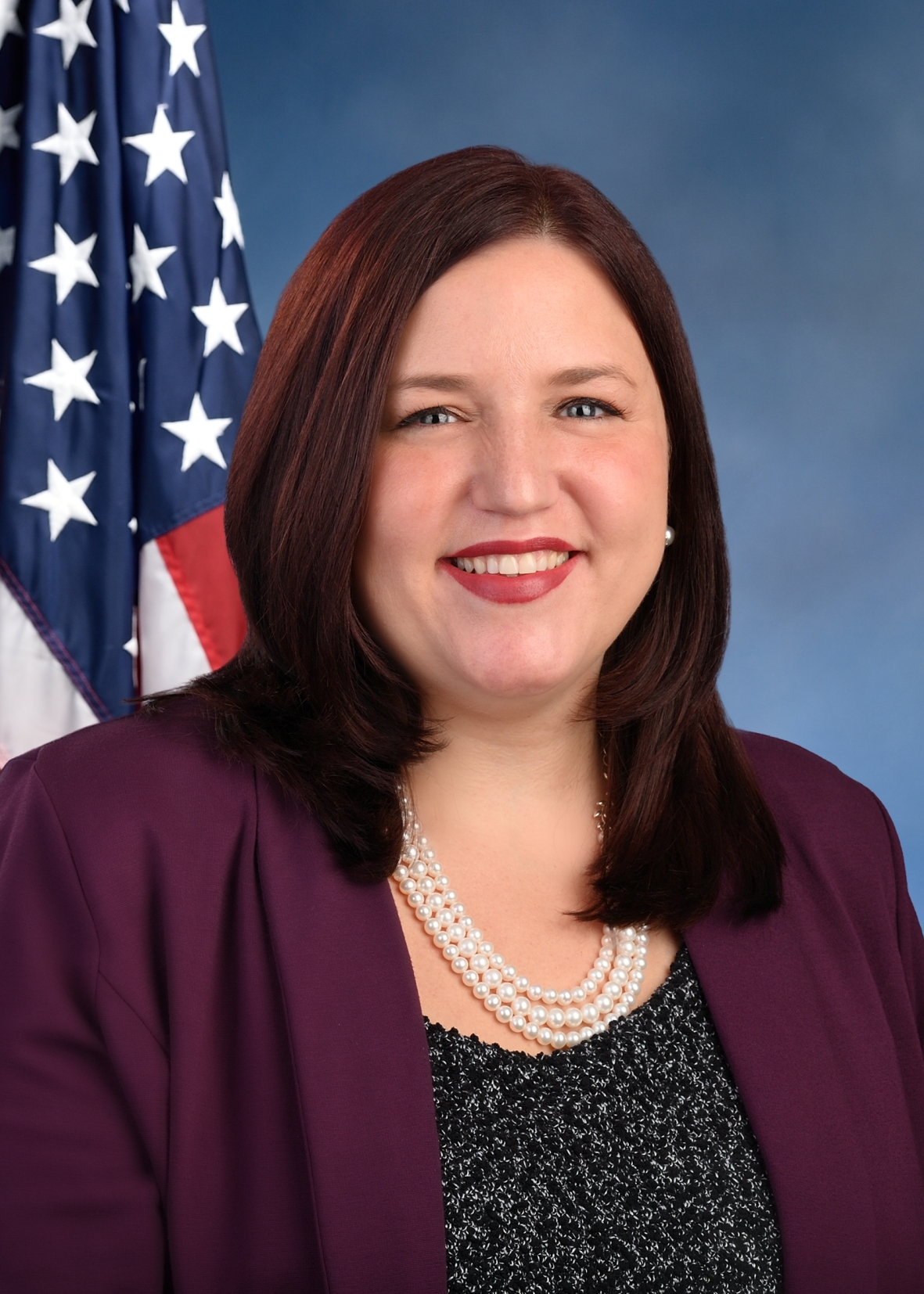
Jen Lunsford
DDemocratic/Working Families
Co
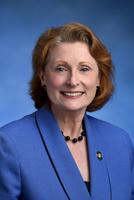
Jo Anne Simon
DDemocratic
Co
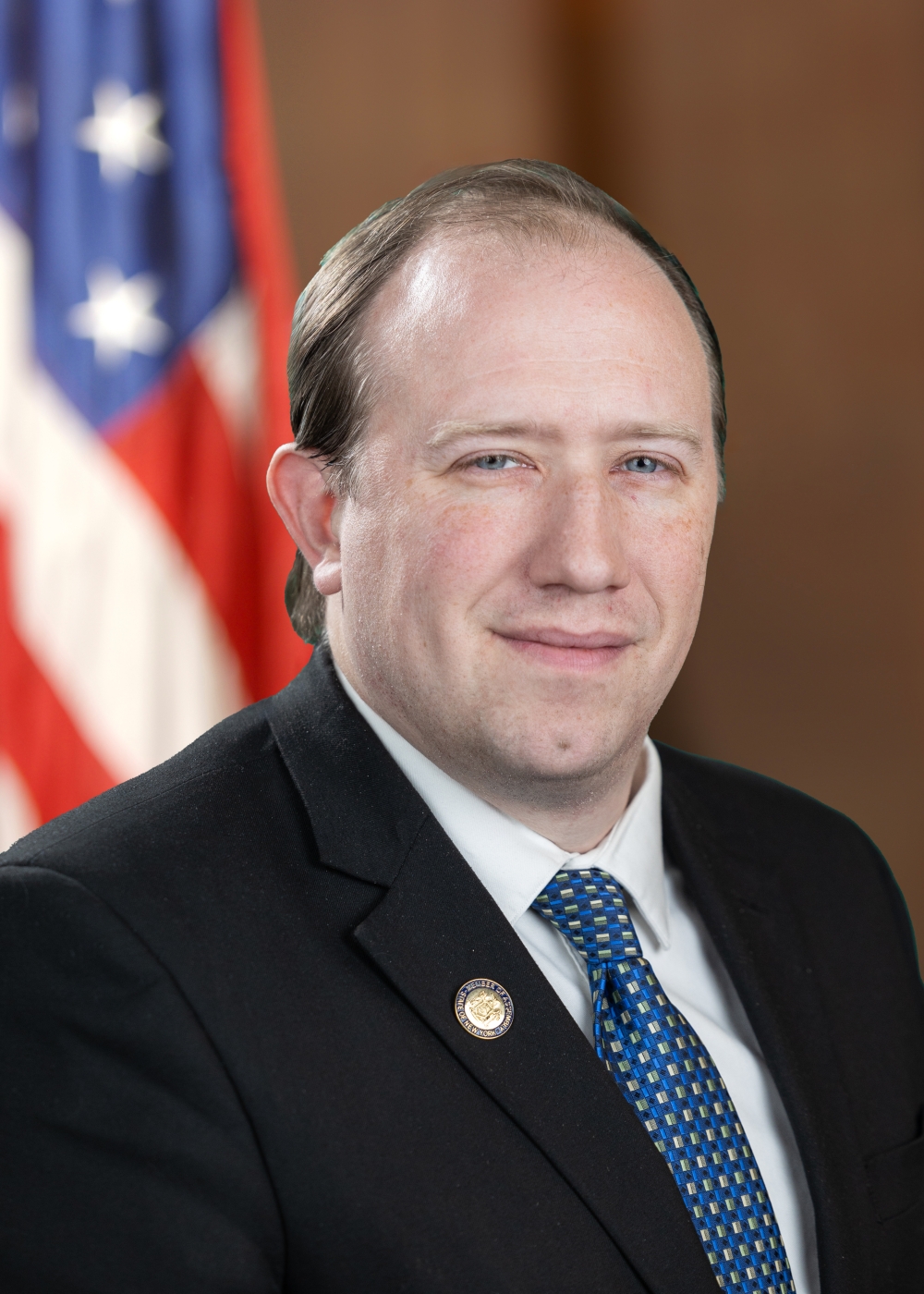
Joe Sempolinski
RRepublican/Conservative
Ask Maddy
·
AI policy assistant
Ask Maddy about A 999
Scope: NY
Hi! I can help you understand A 999. What would you like to know?
Try one of these
i
Maddy answers using official bill text and legislative records. Always verify before sharing.
Sources cited inline