

Enacts the "just energy transition act"; creates the just energy transition task force; requires a study of competitive options to facilitate the phase-out, replacement and redevelopment of New York state's oldest and most-polluting fossil-fueled power generation facilities and their sites by the year 2040.
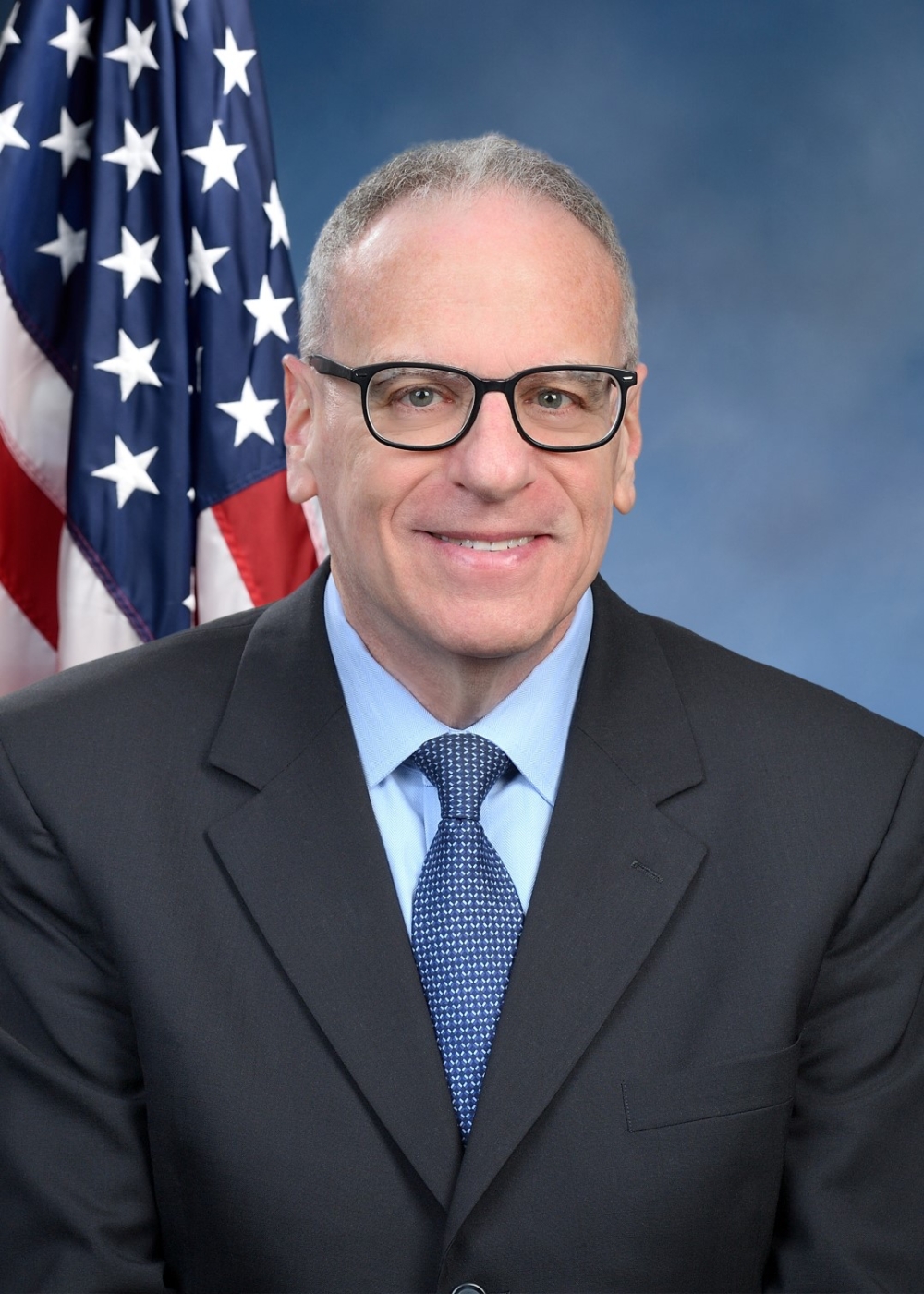
Asm. Jeffrey Dinowitz
Sponsored bills
Maddy summaryThis bill requires licensed firearms dealers and gunsmiths to display and distribute specific written warnings to customers when selling or delivering weapons. The mandated notices must state that access to firearms in the home increases risks of suicide, domestic violence deaths, and accidental injuries, while also providing the number for the National Suicide Prevention Lifeline. Dealers must post these signs at their sales locations, give a copy to every buyer at the time of purchase, and provide a copy to new license holders when their permits are issued. Local police officers will enforce these requirements, with penalties including fines or jail time for non-compliance, though the law does not override any stricter local regulations that may already exist.
Prohibits health care practitioners from performing a virginity examination or supervising the performance of a virginity examination on a patient; defines "virginity examination".
Maddy summaryThis bill allows prosecutors to introduce evidence that a defendant has committed a prior sexual offense during a current sexual assault trial. The law permits judges to admit this past conduct to prove specific facts like intent, identity, or a common pattern of behavior, rather than just to show the defendant has a bad character. However, the judge retains the power to exclude such evidence if its negative impact on a fair trial outweighs its usefulness in proving the case. The definition of a "sexual offense" under this rule includes various crimes listed in the state penal code, and the changes take effect immediately upon signing.
Maddy summaryThis bill creates an online system for verifying motor vehicle insurance status in New York, requiring insurance companies to report policy cancellations and new issuances to the state. Insurers must submit these notices electronically or via paper, with specific deadlines for reporting policy endings and new policies. The state will use this data to maintain a database that helps identify uninsured vehicles and ensures that insurance coverage remains valid until a cancellation is officially recorded or a new policy is obtained.
Enacts the "Count Every Vote Act of New York" which amends the procedure for the recanvass of votes in election districts; defines margin of victory for the purpose of triggering a hand recount of ballots.
Maddy summaryThis bill prohibits the sale of infant walkers in New York State and restricts their use in child care facilities unless a medical professional determines they are medically necessary for a specific child. It defines infant walkers as fully enclosed, wheeled units that allow children to move while seated or standing and applies these rules to manufacturers, retailers, and secondhand dealers. The law empowers the Office of Children and Family Services to notify child care providers and create regulations to enforce the ban, while also allowing the Attorney General to seek court injunctions and impose civil penalties of up to $500 for each violation.
Maddy summaryThis bill requires all general hospitals to create violence prevention programs that align with federal and accrediting organization standards. Larger hospitals in cities or counties with over one million people must have an off-duty law enforcement officer or trained security staff present in the emergency department at all times. Smaller hospitals must also maintain security presence near the emergency department, though critical access, sole community, and rural emergency hospitals are exempt unless they report increased violence, in which case they must eventually comply. The law will take effect approximately 280 days after it is passed.
Relates to first responders, including correction officers, coming into contact with saliva by spitting, throwing, tossing, or expelling from or by an individual.
Provides for the protection of health information; establishes requirements for communications to individuals about their health information; requires either written consent or a designated necessary purpose for the processing of an individual's health information.