

Relates to rechargeable battery recycling; adds a battery used as the principal electric power source for an electric scooter or bicycle with electric assist to the definition of "rechargeable battery"; provides that a battery manufacturer may not sell, offer for sale, or distribute rechargeable batteries in the state unless the battery manufacturer is implementing or participating under an approved plan; allows a city with a population of one million or more to enforce through its own agencies.
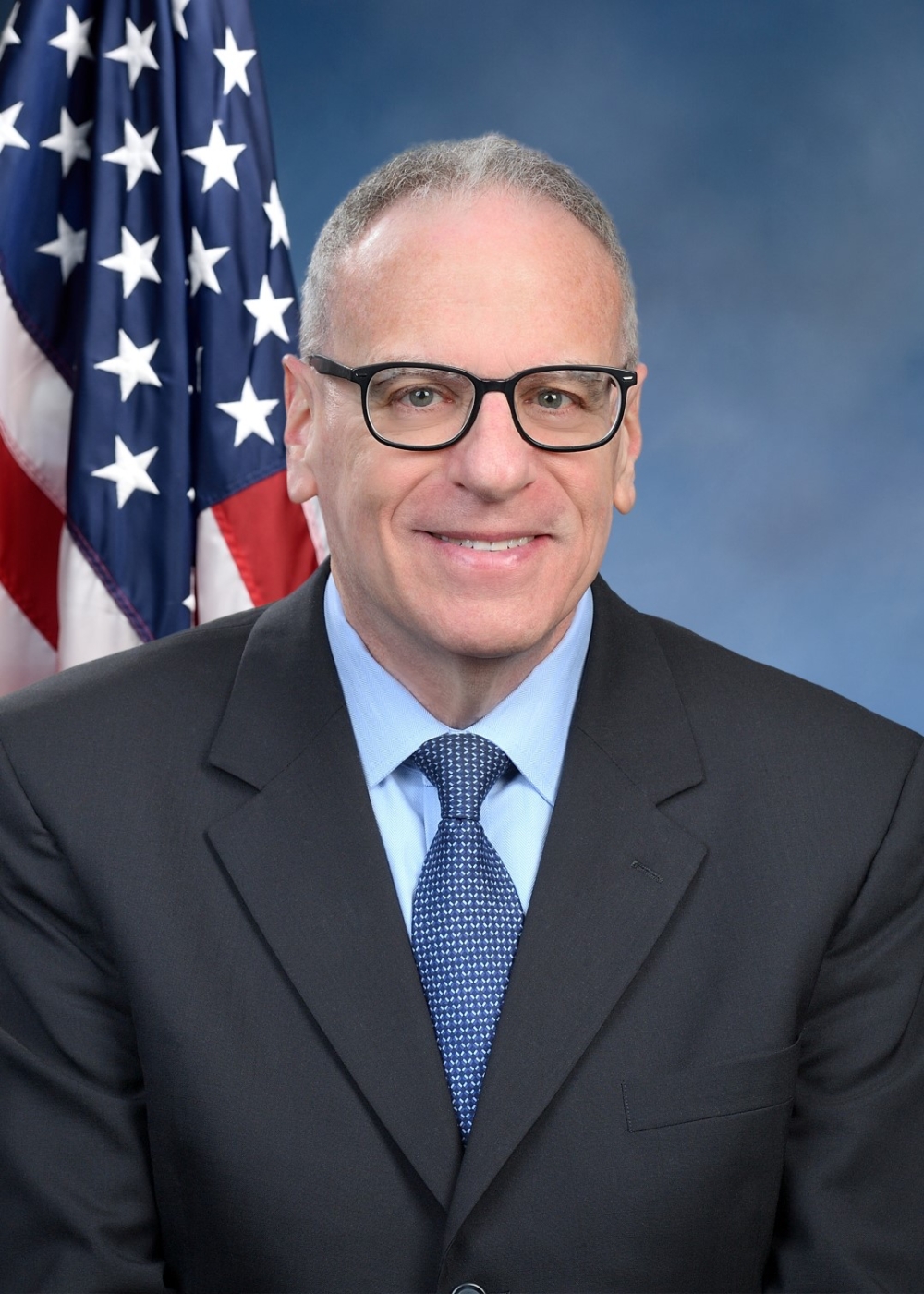
Asm. Jeffrey Dinowitz
Sponsored bills
Enacts the "packaging reduction and recycling infrastructure act" to require companies selling, offering for sale, or distributing packaging materials and products to register with a packaging reduction organization to develop a packaging reduction and recycling plan.
Maddy summaryThis bill proposes changing the state constitution to allow the legislature to adjust the number of Supreme Court justices in each judicial district based on population. Under the new rules, the number of justices could be increased if a district's population grows, with a limit of one justice for every fifty thousand people, or decreased if the population shrinks, provided the total does not fall below the current authorized number. The amendment also clarifies that judges from specific county courts in Brooklyn, Queens, and Staten Island would serve as Supreme Court justices within their respective districts. Because this change requires a constitutional amendment, the bill must be published for three months before the next general election and approved by voters.
Amends provisions of law governing arbitration proceedings; specifies fees and expenses with regard to employment or consumer arbitration proceedings; directs certain sanctions on a party which breaches an arbitration agreement.
Maddy summaryThis bill prohibits lenders and other financial service providers from requiring customers to sign a confession of judgment as part of a contract. A confession of judgment is a legal clause that allows a creditor to obtain a court judgment against a debtor without a full trial if the debt is not paid. The law applies to financial products and services regulated by the state's superintendent of financial services, excluding those already overseen by federal agencies or other state consumer protection bodies. By banning this specific clause, the legislation aims to ensure that consumers must participate in a standard legal process to resolve disputes over unpaid debts. The changes will take effect 90 days after the bill becomes law.
Prohibits the use of intoxication of the victim as a defense in sex crimes where the victim is under the influence of any drug, intoxicant, or other substance to a degree which rendered the victim temporarily incapable of appraising or controlling such person's conduct and such condition was known or reasonably should have been known to a person in the actor's situation.
Prohibits the sale of certain products that contain regulated perfluoroalkyl and polyfluoroalkyl substances; requires manufacturers of products containing PFAS to provide notice of such fact to persons that offer the products for sale or distribution; provides penalties for violations.
Ensures that construction and fabrication done off of a public work site for specific use only in a public work project be compensated at the prevailing wage rate.
Establishes the homeowner protection program; provides that the department of law shall establish the homeowner protection program to ensure the availability of free housing counseling and legal services to homeowners for the purposes of mitigating threats to homeownership; provides that the department of law shall provide grants to eligible not-for-profit housing counseling organizations and legal services organizations to provide services under the program.
Maddy summaryThis bill directs the Division of Housing and Community Renewal to conduct a study on non-rental fees charged by landlords of rent-regulated housing. The study will examine the types of fees commonly imposed, their specific amounts, how they are calculated, and any other relevant data before submitting a report to the legislature by April 1, 2025. The legislation affects landlords of regulated housing units and the housing division tasked with gathering this information, with no immediate changes to fee structures or tenant obligations.