

Requires training for teachers, administrators and instructors in the area of mental health response; requires office of mental health to assist in development of curriculum for training.
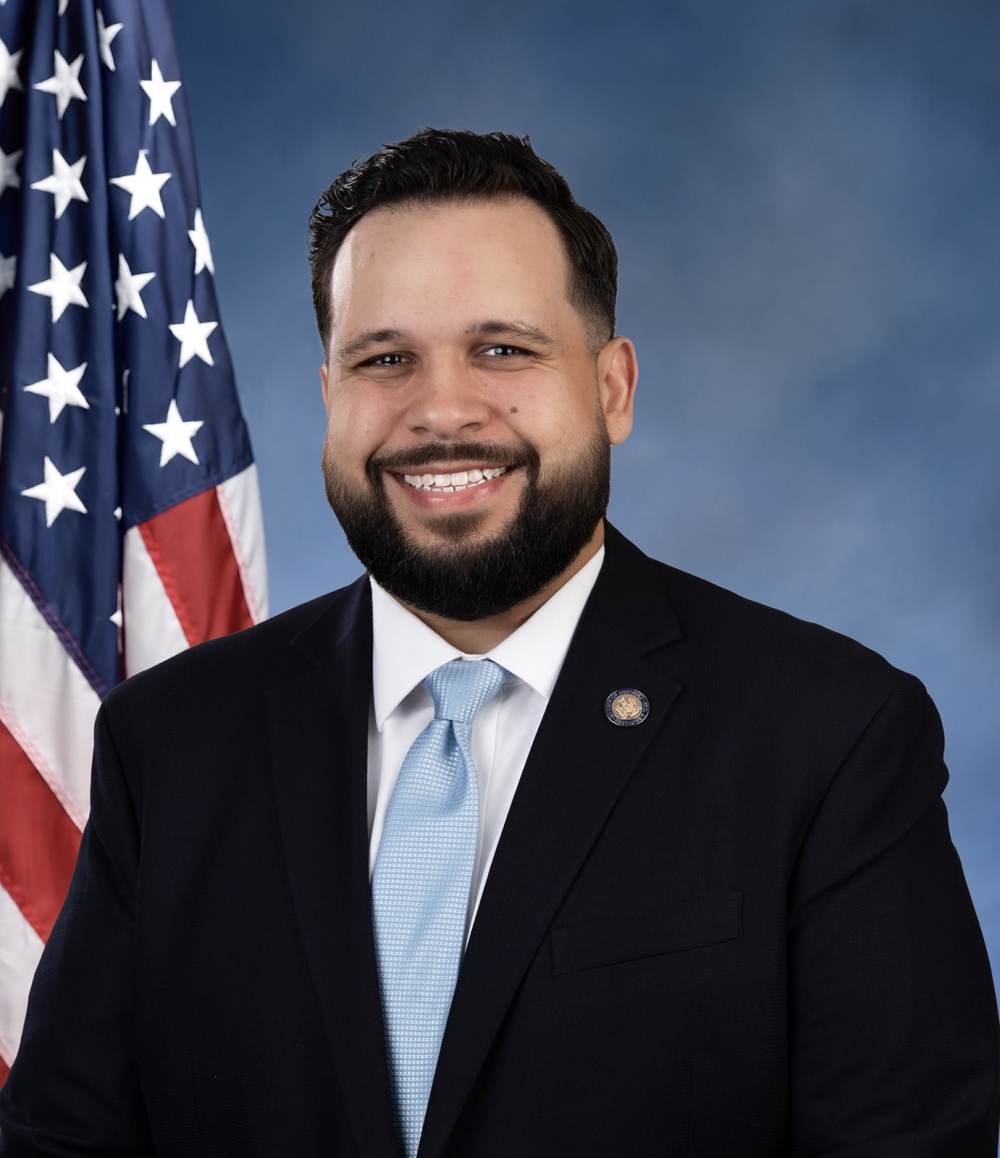
Asm. John Zaccaro
Sponsored bills
Maddy summaryThis bill allows pharmacists and certified nurse practitioners in New York to administer the mpox vaccine (and other specified vaccines like flu, COVID-19, and measles) to adults 18 and older under certain conditions. It requires the health commissioner to confirm the vaccine is safe for pharmacists to administer, needed to prevent a prevalent disease in the state, or recommended for patients lacking documentation or with specific risk factors. The law expands existing authority for pharmacists to give certain vaccines but maintains age limits (e.g., flu vaccine for ages 2+). It does not authorize unlicensed individuals to administer vaccines.
Maddy summaryThis bill amends the state constitution to allow the legislature to adjust the number of justices on the supreme court in any judicial district. It sets a population-based limit: the number of justices cannot exceed one per 50,000 residents (or any fraction over 30,000) based on the latest census. The legislature may also reduce justices, but not below the current number in any district. The proposed change requires voter approval in the 2026 general election.
Relates to the qualification of voters; provides that a citizen who is seventeen years of age at the time of a primary election and who will be eighteen years of age at the time of the general election for which such primary election is held, shall be eligible to vote in such primary election.
Maddy summaryThis bill establishes a 7.8% cost-of-living adjustment (COLA) for specific human services programs effective April 1, 2025, through March 31, 2026. It directly affects providers of mental health, developmental disability, and addiction services (including clinics, residential programs, and outpatient care) by requiring them to use the COLA funds to provide at least a 2.6% targeted salary increase for eligible staff. The COLA applies to programs funded or certified by the Office of Mental Health, Office for People with Developmental Disabilities, and Office of Addiction Services and Supports. This adjustment is inclusive of other inflation factors for the specified period, excluding federal pandemic relief programs.
Maddy summaryThis bill prohibits charging fees for certificates of stillbirth or pregnancy loss (fetal death) in New York. It directly affects families experiencing these losses and local health departments that issue the certificates. The key provision repeals existing fee-charging language in the public health law and adds new requirements that the state health department and local registrars must not charge for these specific documents. The law ensures families can obtain these official records without cost, aligning with similar provisions in other states.
Maddy summaryThis bill increases short-term disability benefits for New York workers. It phases in higher weekly benefit rates (from 50% to 67% of average weekly wage) and extends maximum leave duration (from 8 to 12 weeks) over several years, starting in 2018. The changes apply to employees needing short-term disability leave due to illness or injury, directly affecting both workers and their employers who provide these benefits. The bill maintains a cap based on the state average weekly wage and allows the superintendent of financial services to delay increases if needed.
Maddy summaryThis bill creates a public awareness campaign about maternal depression for both the public and maternal healthcare providers, funded through a new $20 million "maternal depression fund." The fund, managed by the state comptroller and tax commissioner, receives the $20 million appropriation and directs it to the Department of Health to implement the awareness program. It directly affects New York residents, particularly new mothers and healthcare providers, by providing resources to educate about maternal depression risks and treatments. The bill establishes clear mechanisms for funding allocation and disbursement without altering existing healthcare services or eligibility.
Requires advertisements to disclose the use of a synthetic performer; imposes a $1,000 civil penalty for a first violation and a $5,000 penalty for any subsequent violation.
Amends procedures required for the custodial interrogation of children to provide additional protections and for taking juveniles and sixteen and seventeen year olds into custody.