

Maddy summaryBill A 8082 establishes a new retirement service credit for members of public retirement systems who have served as volunteer firefighters or emergency service personnel. Eligible members can receive one year of service credit for every five years of volunteer service, up to a maximum of three years of credit for fifteen years of service. To qualify, members must have at least five years of other credited service and pay a fee equivalent to three percent of their compensation for the twelve months prior to application, for each year of credited volunteer service. This credit can be applied towards special twenty or twenty-five year retirement plans.
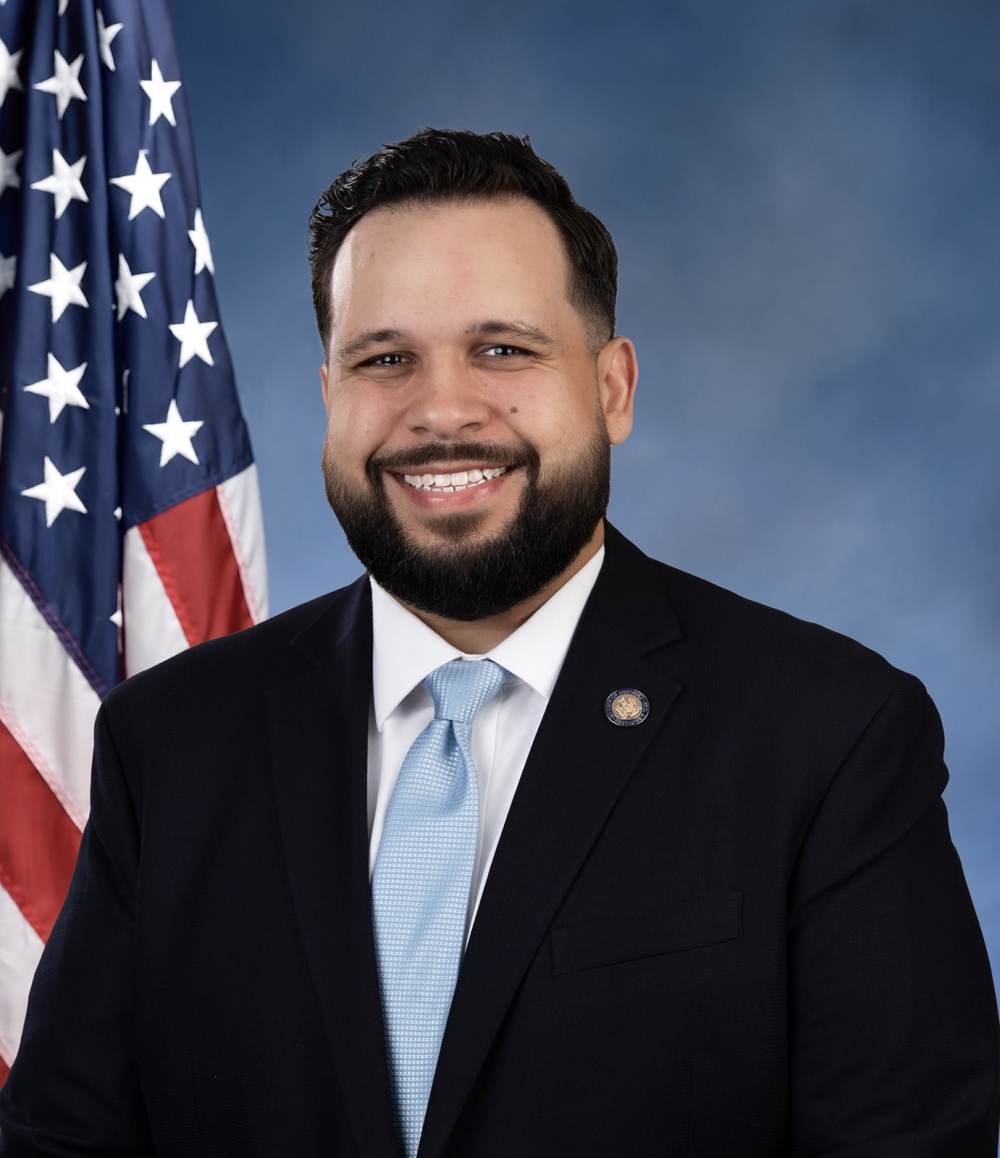
Asm. John Zaccaro
Sponsored bills
Maddy summaryThis bill, titled the Didarul Islam police recruitment act, allows certain New York City public safety workers to count their prior service toward their New York City police pension fund. It specifically includes time spent as school safety agents, corrections officers, traffic enforcement agents, or police cadets before joining the uniformed police force. To qualify, members must transfer their contributions from the city employees' retirement system to the police pension fund and pay any required interest. The change applies immediately and affects those eligible for police pension benefits who previously worked in related city safety roles.
Enacts the "NY broadband resiliency, public safety and quality act" to provide for oversight of the resiliency, public safety and quality of broadband and voice over internet protocol service.
Authorizes the issuance of a low potency cannabis beverage retail permit to licensed off-premises liquor and wine stores to allow the regulated sale of low potency cannabis single use beverages that contain no more than 5mg of THC manufactured by New York state adult-use licensees; provides for the allocation of low potency cannabis beverage tax revenue in the New York state cannabis revenue fund.
Authorizes the public service commission to implement performance-based regulation of electric or gas corporations; requires that any such regulation shall provide performance standards and metrics by which such performance shall be measured.
Prohibits governmental entities from entering into agreements to house individuals in immigration detention facilities; requires governmental entities to terminate existing contracts for the detention of individuals in immigration detention facilities.
Establishes the Marshall plan for moms interagency task force to examine, issue proposals and make recommendations on multiple policy areas to address the disproportionate burden mothers have weathered from the economic fallout of the COVID-19 pandemic.
Establishes a duty to inform certain patients about the risks associated with cesarean section for patients undergoing a planned or unplanned primary cesarean section.
Prohibits and regulates the discovery and disclosure of immigration status; prohibits police officers, peace officers, school resource officers, probation agencies, state entities, state employees, and municipal corporations from questioning individuals regarding their citizenship or immigration status; regulates the disclosure of information relating to immigration status; prohibits an educational agency, higher education agency, school employee, school safety personnel, or third-party contractor from collecting information about a person's citizenship, immigration status, nationality, or country of origin, unless required by law or necessary to administer a public program or benefit sought by such person.
Eliminates certain court surcharges and fees and probation and parole surcharges and fees; eliminates the requirement that a parolee or releasee receiving a merit termination of sentence be financially able to comply with an order of restitution; eliminates the requirement that a person receiving a discharge of sentence be financially able to comply with an order of restitution and the payment of certain surcharges or fees (Part A); mandates that courts engage in an individualized assessment of a person's financial ability to pay a fine prior to imposing a fine (Part B); eliminates the availability of incarceration as a remedy for a failure to pay a fine, surcharge, or fee, lifts and vacates existing warrants issued solely on a person's failure to timely pay a fine, surcharge or fee and ends existing sentences of incarceration based on such failure (Part C); vacates existing unsatisfied civil judgments based on a person's failure to timely pay a surcharge, or fee (Part D); prohibits the collection of a fine, restitution or reparation from the funds of an incarcerated person; prohibits the payment of court fines, mandatory surcharges, certain fees, restitution, reparation or forfeitures from the earnings of prisoners (Part E); vacates existing unpaid surcharges, DNA databank fees, crime victim assistance fees, sexual offender registration fees, supplemental sex offender victim fees, or probation or parole supervision fees; repeals certain provisions of law relating to restrictions on remitting such fees (Part F).