

Provides additional documentation a tenant may provide to demonstrate that such tenant or a member of such tenant's household has been a victim of domestic violence for purposes of permitting the termination of residential lease by victims of domestic violence.
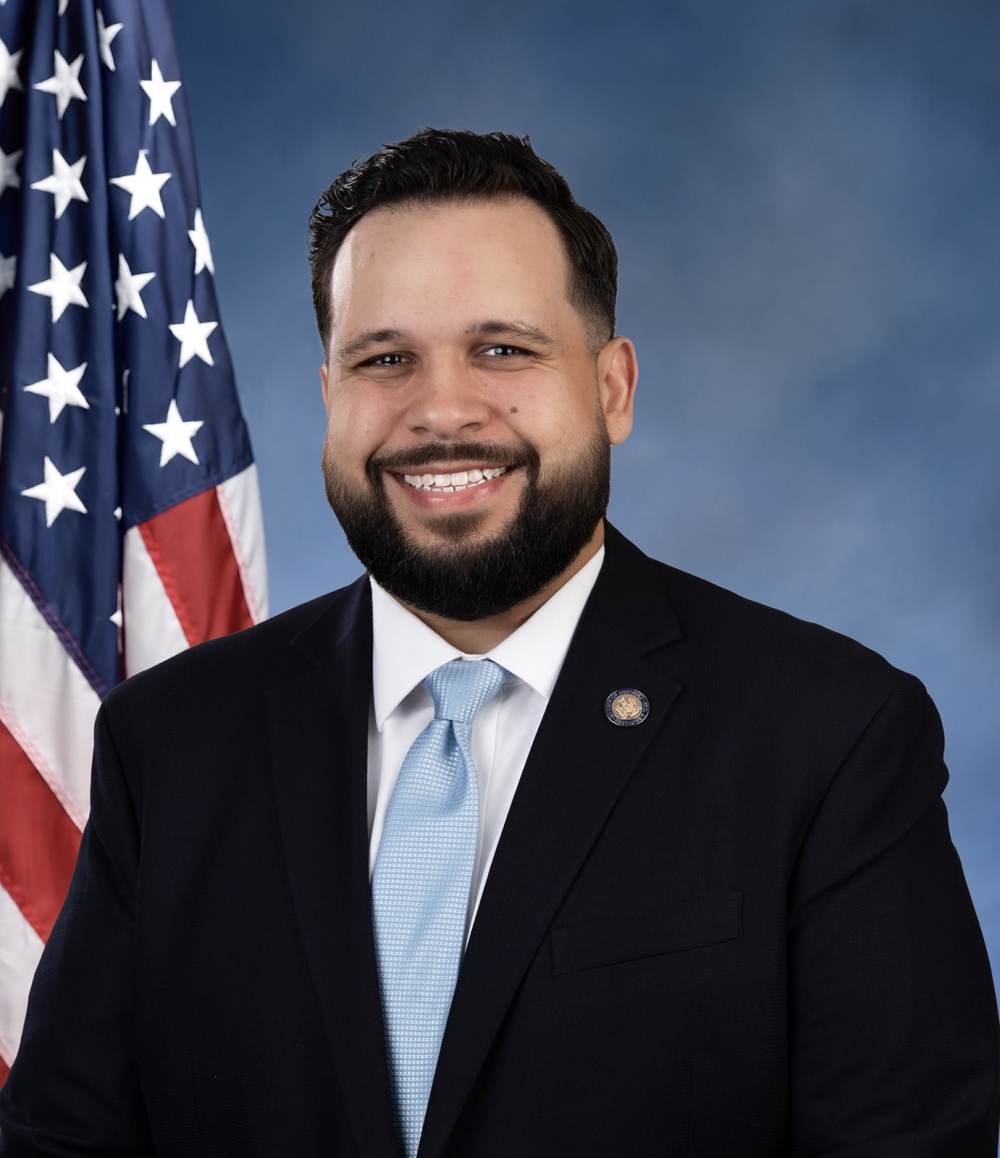
Asm. John Zaccaro
Sponsored bills
Maddy summaryBill A 6586 requires health insurance plans and Medicaid to cover patient navigation services for individuals with serious conditions expected to last at least three months and at high risk of hospitalization, nursing home placement, or health decline. These services help connect patients to social supports like transportation, housing, food assistance, and healthcare appointments, and include referrals, enrollment help, and care coordination. Certified navigators (trained through approved programs) must provide these services under a healthcare provider's supervision. The law applies to all medical, major medical, and comprehensive insurance policies, ensuring coverage for high-risk patients who need help accessing care.
Maddy summaryThis bill requires developers seeking permits for major projects near low-income or minority neighborhoods to submit a detailed public engagement plan. The plan must include maps of the community, locations of sensitive sites like schools, a schedule for at least three public meetings, and materials in plain language translated into common community languages. Applicants must also provide quarterly progress reports and ensure community input influences project design. This applies to projects within one mile of designated disadvantaged communities, aiming to improve transparency and community involvement in environmental permitting.
Maddy summaryThis bill updates rules for when construction projects must pay local prevailing wages. It applies to projects using at least 20% public funds (or $3 million/$5 million in public funds) for construction costs. Exemptions include single-family homes, small nonprofits, and certain affordable housing developments meeting specific affordability requirements. This affects contractors and developers working on qualifying projects funded in part by public money.
Requires ice skating rinks maintain a certain indoor air quality and maintain a certificate of acceptable air quality where a resurfacing machine is used.
Requires certain entities to stock opioid antagonists and to store naloxone nasal sprays with or adjacent to automated external defibrillator cabinets.
Maddy summaryThis bill creates a new criminal offense called "endangering the welfare of a child in the first degree" for individuals who knowingly or recklessly create a serious risk of physical injury or long-term harm to a child under 17. It specifically applies when someone causes physical injury to a child under 7, or has prior convictions for certain crimes involving children under 17. The offense is classified as a class E felony, carrying more severe penalties than the existing "second degree" offense (a class A misdemeanor). The law directly affects caregivers, parents, or others responsible for children's safety who fail to prevent serious harm.
Maddy summaryThis bill allows property and casualty insurance companies to deliver certain notices electronically instead of by mail. It specifically applies to notices related to insurance contracts under vehicle and traffic law, such as policy changes or coverage evidence. The law requires electronic notices to meet state technology law standards and permits delivery to an electronic address not listed in the policy. This change directly affects insurance policyholders and companies by expanding how they receive legally required notifications. The bill makes electronic delivery legally valid for these specific notices, replacing the previous requirement for physical mailing.
Relates to the assault of physicians providing direct patient care; provides that assault of physicians shall be assault in the second degree, a class D felony.
Maddy summaryThis New York bill (A 9185) amends criminal law to explicitly include AI-generated communications in the definition of "falsely reporting an incident in the third degree." It directly affects individuals who knowingly use artificial intelligence (including generative AI) to create false reports about crimes, emergencies, or child abuse incidents - such as fabricating emergency alerts or fake abuse reports via AI tools. The law expands existing penalties (class A misdemeanor) to cover these AI-facilitated false reports to authorities or the public, ensuring that AI-generated misinformation about emergencies or safety threats is treated the same as human-created false reports. The bill takes immediate effect upon enactment.