Repeals the rebates for stock transfer tax paid; dedicates funds of the stock transfer tax fund and stock transfer incentive fund to various funds; establishes the safe water and infrastructure action program.
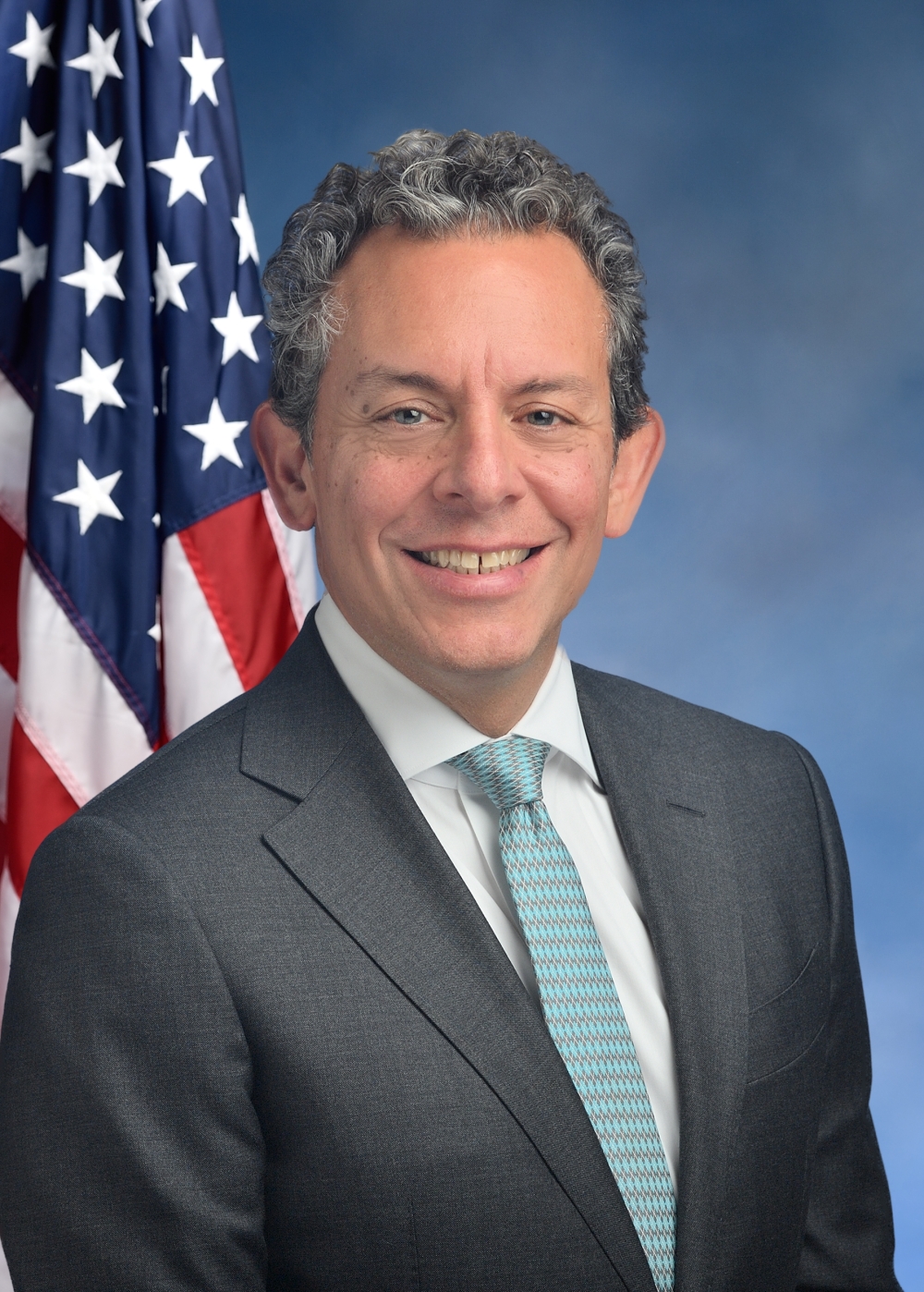
Asm. Tony Simone
Sponsored bills
Establishes the retail worker safety act requiring retail worker employers to develop and implement programs to prevent workplace violence; directs the department of labor to produce a model workplace violence prevention training program; requires employers to provide training on such programs; requires the installation of panic buttons at certain workplaces or wearable or mobile phone-based panic buttons to be provided.
Provides for a working families tax credit; directs quarterly prepayment of the credit; provides for a sliding reduction in the credit for incomes which exceed a certain threshold.
Maddy summaryThis bill requires motor vehicle dealerships to receive full and fair payment from their franchisors for all warranty-related work, including repairs, diagnostics, and parts. It mandates that payments for approved claims be made within thirty days and sets a specific method for calculating compensation based on the rates dealers charge their own customers for similar non-warranty services. The law also establishes a process for dealers to declare their reimbursement rates and limits exclusions to items like wholesale parts, tires, and routine maintenance. By defining "reasonable compensation" and outlining dispute resolution steps, the bill aims to ensure dealers are not underpaid for services performed under manufacturer warranties.
Requires distribution centers which are 50,000 sq. ft. or more to be equipped with electric vehicle charging stations as determined by the secretary of state and NYSERDA.
Eliminates court surcharges and fees and probation and parole surcharges and fees; eliminates the requirement that a parolee or releasee receiving a merit termination of sentence be financially able to comply with an order of restitution; eliminates the requirement that a person receiving a discharge of sentence be financially able to comply with an order of restitution and the payment of certain surcharges or fees (Part A); prohibits mandatory minimum fines for penal law and vehicle and traffic offenses (Part B); mandates that courts engage in an individualized assessment of a person's financial ability to pay a fine prior to imposing a fine (Part C); eliminates the availability of incarceration as a remedy for a failure to pay a fine, surcharge, or fee, lifts and vacates existing warrants issued solely on a person's failure to timely pay a fine, surcharge or fee and ends existing sentences of incarceration based on such failure (Part D); vacates existing unsatisfied civil judgments based on a person's failure to timely pay a surcharge, or fee (Part E); prohibits the collection of a fine, restitution or reparation from the funds of an incarcerated person; prohibits the payment of court fines, mandatory surcharges, certain fees, restitution, reparation or forfeitures from the earnings of prisoners (Part F); vacates existing unpaid surcharges, DNA databank fees, crime victim assistance fees, sexual offender registration fees, supplemental sex offender victim fees, or probation or parole supervision fees; repeals certain provisions of law relating to restrictions on remitting such fees (Part G).

Relates to prevailing wage requirements applicable to public works and certain construction projects performed under private contract and paid for with public funds.
Prohibits public employers from diminishing health insurance benefits provided to retirees and their dependents or the contributions such employer makes for such health insurance coverage below the level of such benefits or contributions made on behalf of such retirees and dependents by the public employer as of December 31, 2021.
Establishes a reproductive health services training and education grant program to ensure health care providers receive adequate training in abortion care.
Directs the department of public service to prepare a written report on the affordability of water services for commercial and residential customers within 180 days of effectiveness; requires an updated report to be submitted one year after the initial report.