

Prohibits the use of biometric identifying technology in schools for any reason other than certain specified purposes; adds fingerprint identification of teachers, administrators and students for the purpose of securely logging into a digital device for academic and administrative purpose to allowable purposes.
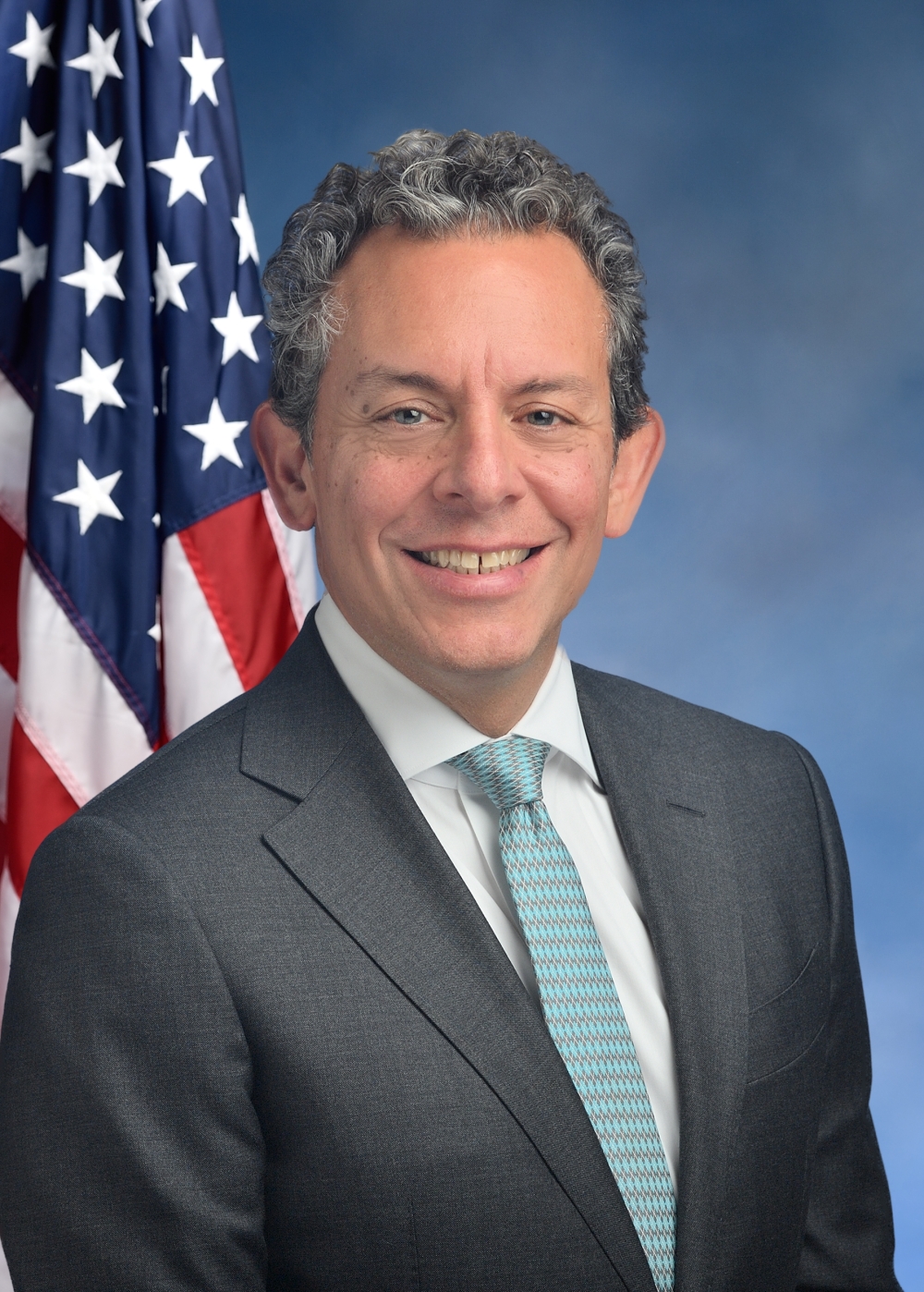
Asm. Tony Simone
Sponsored bills
Establishes the insure our communities act to implement climate leadership and community protection act targets for insurers; identifies and protects such communities; relates to affordability of insurance rates; assesses covered insurance companies' record of performance at meeting insurance needs; requires covered insurance companies to file statistical reports, including information on insurance coverage in specific assessment areas and disadvantaged communities.
Imposes an additional tax surcharge on certain non-primary residence class one and class two properties in a city with a population of one million or more.
Maddy summaryThis New York bill authorizes state and local governments to create permanent memorials honoring COVID-19 victims, prioritizing input from families and loved ones of those affected. It establishes a dedicated "COVID-19 permanent memorial fund" managed by the state financial officer and parks department, which will hold grants, donations, and investments specifically for memorial creation and maintenance. Municipalities can apply for funding through this grant program to cover memorial costs, with final designs selected via community processes. The fund must keep memorial money separate from other state funds and may invest surplus funds to generate additional support for memorials.
Requires bicycle delivery contractors to provide personal injury liability insurance to compensate persons injured by a bicycle delivery worker and to provide notice to delivery workers that the contractor provides personal injury liability insurance; authorizes the superintendent of financial services to promulgate rules and regulations.
Maddy summaryThis bill amends New York's criminal procedure law to allow bail for defendants charged with "aggravated cruelty to animals" as defined under agriculture law §353-a. It specifically adds this offense to existing lists of crimes where bail eligibility is authorized, alongside other offenses like third-degree weapon possession. The change directly affects individuals facing criminal charges for severe animal cruelty, ensuring they may qualify for bail under the same standards as other eligible offenses. The bill makes no changes to the crime itself or its penalties, only to bail eligibility procedures. It became effective immediately upon enactment.
Provides for automatic voter registration and pre-registration for persons applying for certain department of motor vehicles documentation, and for persons applying for or re-enrolling in Medicaid; allows individuals to decline such automatic registration and pre-registration.
Relates to the creation of a crime database of all convictions in New York state of animal cruelty, fighting, neglect, abandonment and mistreatment; makes such crime database available to all law enforcement entities, district attorneys, duly incorporated humane societies, societies for the prevention of cruelty to animals, dog or cat protective associations and animal control officers.
Relates to protecting the communication rights of individuals with disabilities; provides that each person with a disability has the right to communicate in their preferred manner.
Maddy summaryThis bill removes citizenship as a requirement for holding most state public offices in New York. It specifically deletes the phrase "a citizen of the United States" from the qualifications listed in the public officers law, meaning non-citizens who meet other requirements (like residency and age) could potentially serve. The change applies broadly, except where other laws specifically require citizenship for certain roles. All other existing qualifications - such as age, residency, and criminal record checks - remain in effect.