

Enacts the "Supervising Upcoming Professionals for Practice in Official Roles in Therapy (SUPPORT) act"; provides that for licensure as a clinical social worker, an applicant may satisfy the experience requirements under supervision of a mental health practitioner who has been granted the privilege to diagnose and develop assessment-based treatment plans under article one hundred sixty-three of the education law.
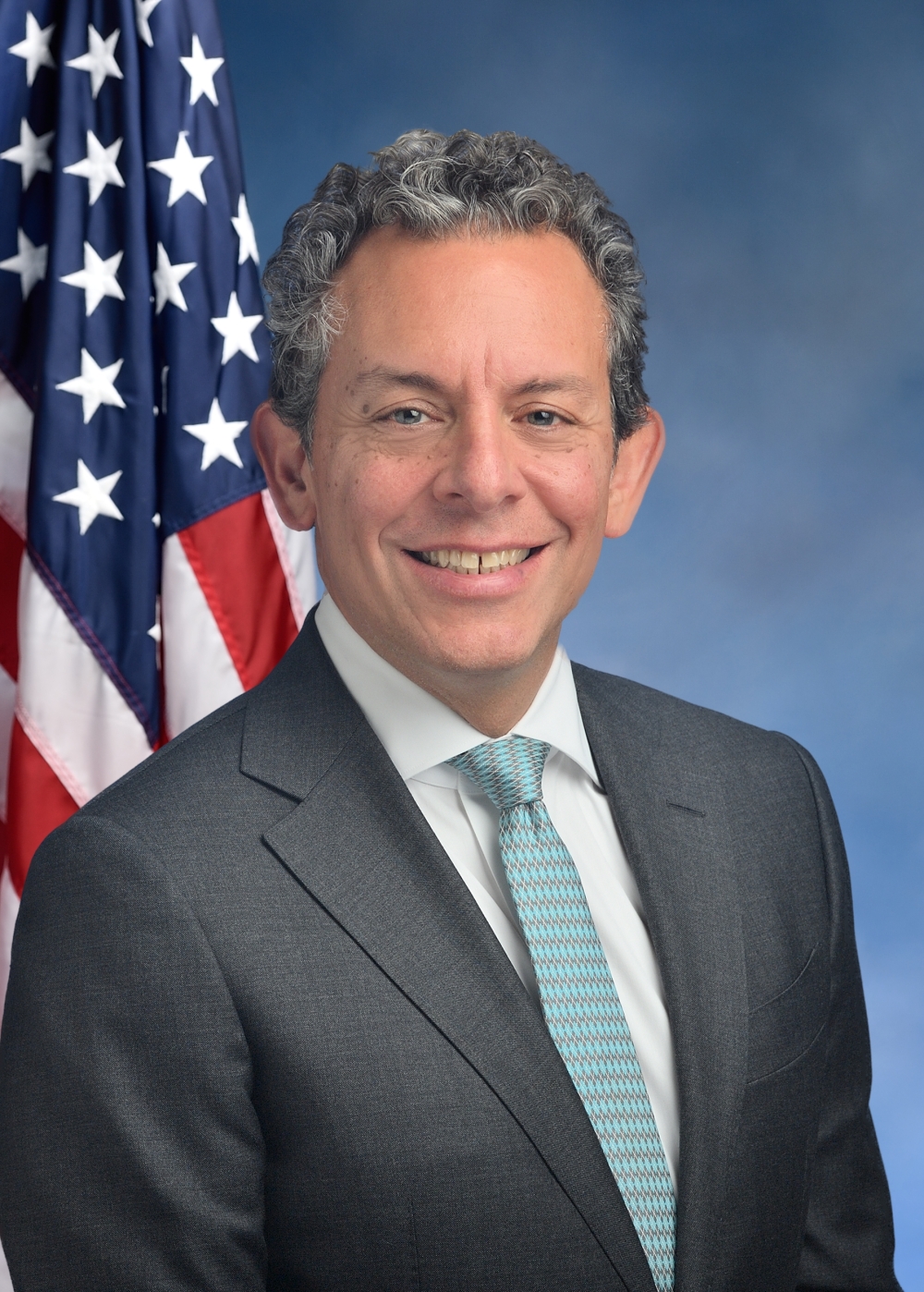
Asm. Tony Simone
Sponsored bills
Maddy summaryThis bill requires election commissioners serving on county boards outside New York City to be full-time employees of those boards. It sets a standard of two commissioners per board, with counties having over 120,000 residents allowed to increase this to four via local law. The change applies specifically to election boards in counties outside NYC, altering their commissioner employment structure without affecting NYC-based boards.
Ensures that boards of elections provide adequate notice to each voter before and after a board cancels the voter's registration or places such voter in inactive status.
Maddy summaryThis bill removes specific eligibility restrictions for Medicaid home care services in New York. It repeals a provision requiring individuals seeking home care to meet strict activity-of-daily-living criteria (like needing assistance with multiple tasks) or dementia-related supervision levels. The change directly affects Medicaid recipients needing home care services, particularly those with dementia or Alzheimer's who previously faced these barriers. The policy shift simplifies eligibility by eliminating these prior requirements for people applying on or after October 1, 2020. The bill modifies New York's social services law to broaden access to home care services under Medicaid.
Maddy summaryThis bill establishes a new health coverage option under New York's 1332 state innovation program, allowing the state to create a health plan for specific uninsured New Yorkers who don't qualify for Medicaid or ACA marketplace plans. It directly affects residents under 65 with household incomes between 133% and 250% of the federal poverty line, including some noncitizens ineligible for Medicaid due to immigration status. Key provisions include requiring coverage for essential health services (like cancer care access at Medicaid rates, dental, vision, and chronic illness support), automatic enrollment for children born to eligible parents, and continued coverage during pregnancy for one year postpartum. The program requires federal approval under the ACA's Section 1332 waiver process and operates alongside existing Medicaid and marketplace plans.
Establishes clean energy goals of reducing the annual total of vehicle miles traveled within the state by 20% by the year 2050; requires state and local highway projects to comply with reductions to vehicle miles traveled targets.
Amends the imposition of sales tax to dramatic or musical arts performances, or live circus performances, or motion picture theaters, where such admission charge is not more than one thousand dollars.
Maddy summaryThis bill establishes a new progressive income tax structure for high-income New York taxpayers by creating multiple tax brackets with increasing rates as income rises. It directly affects New York residents earning above certain thresholds, with the highest rates applying to incomes over $5 million (up to 24% for some filing statuses). Key provisions include setting specific tax rates for different income ranges - for example, 10.90% for incomes over $25 million and 24% for incomes over $20 million for certain filers. The bill modifies existing tax law to implement these bracketed rates, replacing previous structures.
Maddy summaryThis bill amends New York's Mental Hygiene Law to clarify criteria for court-ordered outpatient treatment and hospitalization for people with severe mental illness. It updates definitions to explicitly include "serious harm" from self-neglect (like untreated psychosis or inability to meet basic needs) as grounds for intervention, beyond just immediate violence risk. The law requires clinicians to first assess whether outpatient treatment could be effective before pursuing involuntary hospitalization. It aims to expand access to existing assisted outpatient programs (like "Kendra's Law") by removing barriers preventing eligible individuals from receiving community-based care.
Relates to the use of funds and payments from the IOLA fund; provides that funds and payments shall not be used for any other purpose other than as stated in section 97-v of the state finance law.