

Maddy summaryThis bill changes how parking violation notices are handled in New York. It requires hearing examiners to provide written decisions explaining the legal basis for each ticket's outcome (guilty or not guilty) and gives drivers the option to request a hearing for each individual ticket. The bill also mandates that the state surcharge must be paid unless a hearing officer dismisses the ticket based on specific merits presented by the driver. These changes aim to increase transparency and fairness for drivers contesting parking violations.
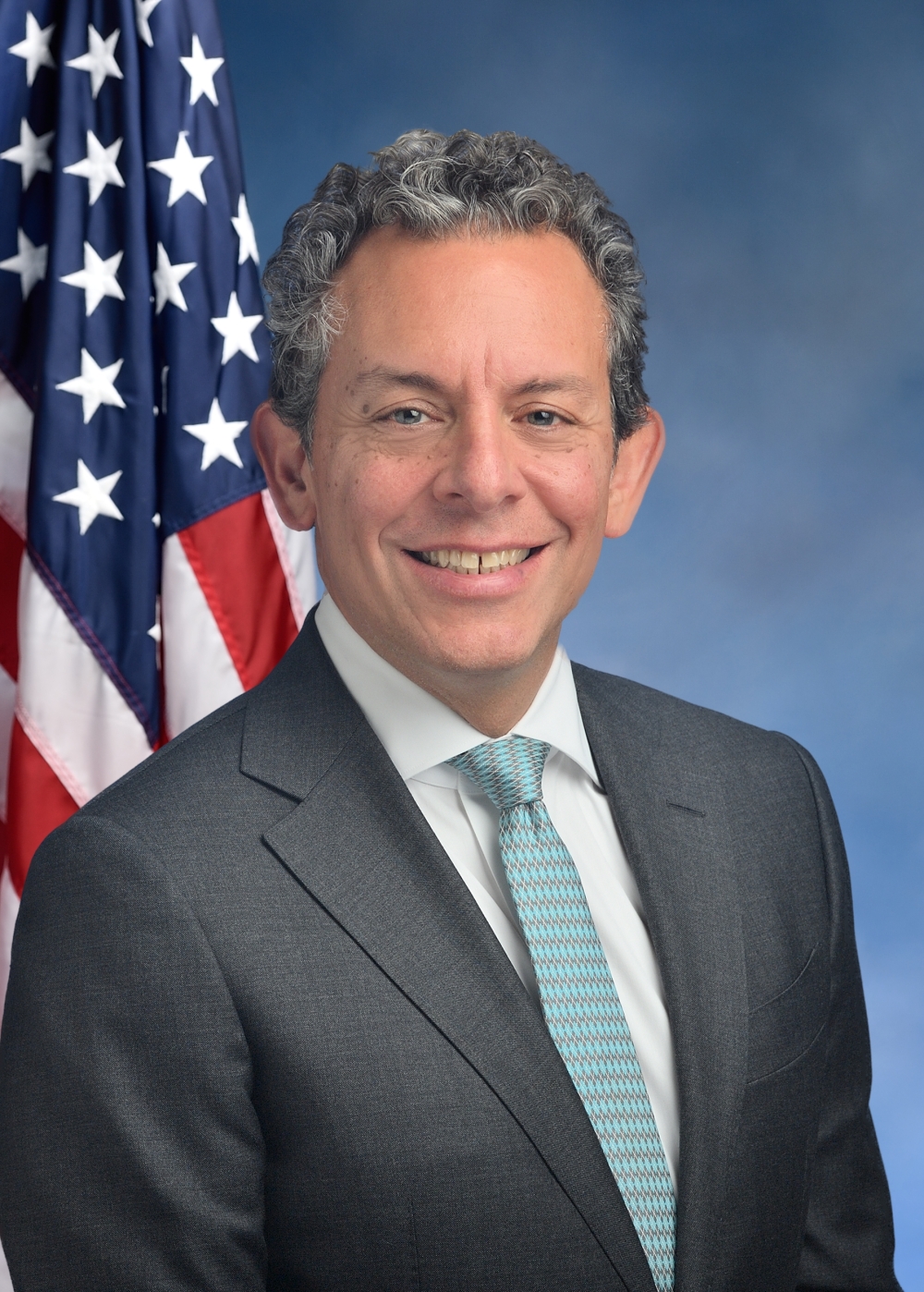
Asm. Tony Simone
Sponsored bills
Maddy summaryThis bill eliminates processing fees for criminal history background checks required by mentoring programs operated by non-profit organizations. It directly affects qualifying non-profit mentoring programs and their volunteer mentors by removing a $25 fee (plus $50 surcharge) that previously applied. The key mechanism amends existing laws to require state agencies to provide these checks free of charge when requested by eligible programs. This change applies specifically to programs meeting the defined criteria under New York's social services law, such as those run by incorporated non-profits or educational institutions.
Enacts the "fair pay for home care act" relating to minimum wages applicable to home care aides; provides for a minimum wage of 150% of the applicable statewide or regional minimum wage.
Establishes protections for adults sixty years of age or older, or at least the age of eighteen and who, because of mental or physical impairments, are unable to manage their own resources or protect themselves from financial exploitation without assistance from others.
Authorizes the dispensing of abortion medication under certain conditions; requires insurance policies providing coverage for contraception to provide coverage for abortion medication.
Establishes Eid al-Fitr and Eid al-Adha as school holidays, with dates established by religious law and tradition; allows for school districts and municipalities with a population of less than fifty thousand to opt into the recognition of such holidays.
Requires cultural awareness and competence training for medical professionals, including two hours of course work or training encompassing minority healthcare issues; provides an exemption for certain individuals; requires hospitals and facilities to request documentation of the completion of training from employees and prospective employees.
Enacts the "faith-based affordable housing act" for development on residential land; defines terms; provides that each village, town, and city shall allow the construction and occupation of residential buildings on any covered site up to the specified densities; provides that all residential buildings constructed pursuant to this section in a town, village, or city with fewer than one million inhabitants shall set aside twenty percent of the residential floor area for households earning an average of eighty percent of area median income; outlines the densities for New York city; makes related provisions.
Maddy summaryThis bill changes New York's parole process by requiring the state board of parole to consider specific factors before granting release. It mandates evaluation of rehabilitation efforts (like programs, therapy, and work assignments), release plans (including housing, jobs, and support services), and deportation status, while prohibiting decisions based mainly on victim statements or prior criminal records. Parole denials must include detailed written explanations, and the board must report quarterly to lawmakers with demographic data on denied cases (excluding individual identities). These changes aim to standardize parole decisions and increase transparency.
Maddy summaryThis bill requires NYCHA to create and maintain a public database tracking residential units vacant for 180+ days. The database must include each unit's last vacancy date, estimated repair completion date, and projected availability date. NYCHA must update this information quarterly and make it accessible on its website for public viewing. The law directly affects NYCHA and residents seeking housing by increasing transparency around vacant units.