

Enacts the "Supervising Upcoming Professionals for Practice in Official Roles in Therapy (SUPPORT) act"; provides that for licensure as a clinical social worker, an applicant may satisfy the experience requirements under supervision of a mental health practitioner who has been granted the privilege to diagnose and develop assessment-based treatment plans under article one hundred sixty-three of the education law.
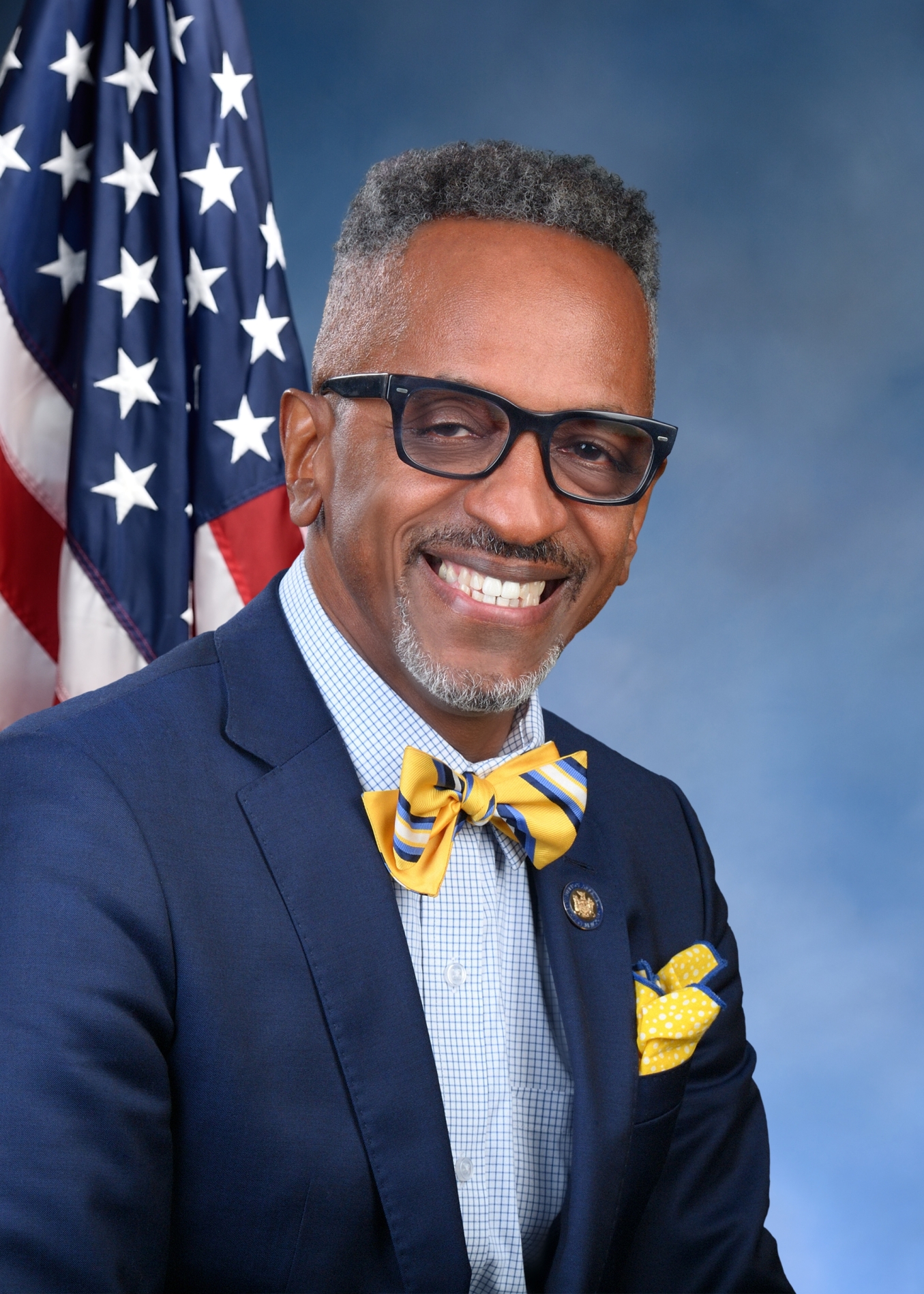
Asm. Al Taylor
Sponsored bills
Maddy summaryThis bill limits the number of shelter beds in each New York City council district to no more than 15% of its borough's total shelter capacity. It directly affects homeless shelters providing temporary housing for single adults, families, and families with children by requiring the city's housing department to enforce this cap. The key mechanism mandates that the department cannot renew shelter contracts if a district exceeds the 15% limit, and must adjust shelter placements to comply. This policy change aims to distribute shelter resources more evenly across boroughs, rather than concentrating them in specific districts.
Maddy summaryThis bill increases fines for violating public health laws. It raises penalties for nursing home and hospital operators from $3,000 to $5,000 per violation, with repeat offenses or violations causing harm now carrying up to $10,000 or $20,000 fines. Excess fines collected beyond $2,000 per violation go to a patient safety center, while nursing home fines over $10,000 fund quality improvement programs for nursing homes. The changes apply directly to healthcare facilities and their operators under New York's public health and social services laws.
Enacts the "New York slavery era business and state procurement disclosure act"; requires insurers to report insurance policies issued to slaveholders during the slavery era that provided coverage for damage to or death to such slaveholders' slaves; requires contractors seeking to enter into or renew procurement contracts with state agencies to report slavery era financing, investments and profits of slavery.
Maddy summaryThis bill requires election commissioners serving on county boards outside New York City to be full-time employees of those boards. It sets a standard of two commissioners per board, with counties having over 120,000 residents allowed to increase this to four via local law. The change applies specifically to election boards in counties outside NYC, altering their commissioner employment structure without affecting NYC-based boards.
Establishes the sanitary retail food store grant program to provide funding to retail food stores that fail inspections to correct deficiencies if such stores are unable to sustain the costs to immediately correct critical deficiencies, are located in food deserts, and would otherwise be unable to stay in operation due to their inability to meet and maintain sanitary standards.
Establishes the "protect our privacy (POP) act" to impose limitations on the use of drones for law enforcement purposes; prohibits the use of drones by law enforcement at concerts, protests, demonstrations, or other actions protected by the first amendment.
Strengthens protections against discrimination, harassment, and bullying based on actual or perceived immigration status, and to improve implementation and oversight under the Dignity for All Students Act.
Directs the department of civil service to conduct a study on competitive examinations for public employment held by the state department of civil service and by municipal commissions to determine whether the contents of such examinations have a discriminatory effect on minority examinees; requires a report on such findings to be delivered to the governor and legislature.
Maddy summaryThis bill (A 3742) requires all high schools to keep opioid antagonists (like naloxone) available for emergency overdose treatment and to have at least one trained employee present during all school hours and after-school activities. The law mandates schools to acquire the medication, designate a staff member who completed approved training in its use, and ensure that employee oversees storage and administration. It directly affects high schools, students, and staff by establishing a concrete protocol for responding to opioid overdoses on school grounds. The bill takes immediate effect upon enactment and does not include exemptions for school activities.