

Maddy summaryThis bill makes it a felony to intentionally stage a construction site accident to file a fraudulent insurance claim. It directly affects individuals or groups who enter construction sites to fake injuries or damage with the specific intent of submitting a false insurance claim. The law criminalizes both personally staging such accidents and directing others to do so, treating it as a class E felony punishable by prison time. The key provision creates a new criminal offense specifically targeting insurance fraud at construction sites.
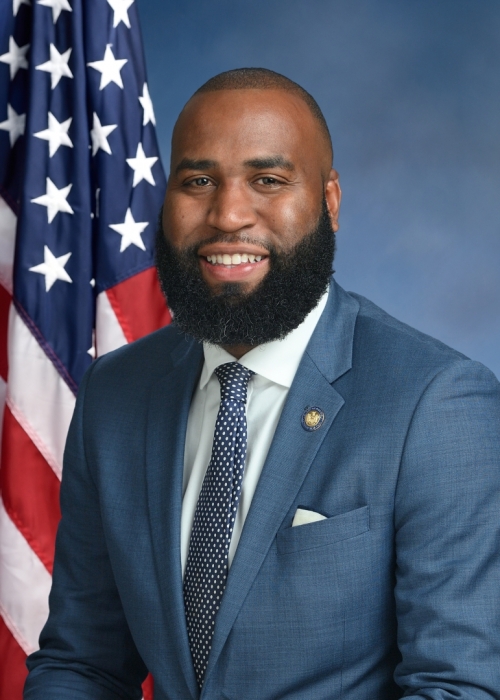
Asm. Brian Cunningham
Sponsored bills
Provides for a working families tax credit; directs quarterly prepayment of the credit; provides for a sliding reduction in the credit for incomes which exceed a certain threshold.
Establishes the New York Health program, a comprehensive system of access to health insurance for New York state residents; provides for administrative structure of the plan; provides for powers and duties of the board of trustees, the scope of benefits, payment methodologies and care coordination; establishes the New York Health Trust Fund which would hold monies from a variety of sources to be used solely to finance the plan; enacts provisions relating to financing of New York Health, including a payroll assessment, similar to the Medicare tax; establishes a temporary commission on implementation of the plan; provides for collective negotiations by health care providers with New York Health.
Maddy summaryThis bill significantly expands eligibility for judicial diversion programs, allowing individuals charged with a broader range of offenses to participate if they have a "qualifying diagnosis." This diagnosis includes serious mental disorders, other mental health disorders causing severe functional impairment, or substance use disorders. While most Class A felonies and Class B sexual offenses are generally excluded, the bill establishes a new "diversion part" in each county. It also redefines "treatment" within these programs to include evidence-based interventions outside of carceral settings.
Requires public employers who opt out of providing paid family leave benefits to provide parental leave in the alternative at the same pay rate and amount of time as paid family leave.
Maddy summaryThis bill (A 4428) requires New York's Commissioner of Labor to create and maintain a public website with information about workers' rights under state and federal law, regardless of immigration status - including union organizing rights. It mandates that employers provide this information to all employees by August 1, 2027, in English and any language spoken by at least 5% of their workforce, posting it visibly at workplaces and making it accessible via mobile apps or online. The bill also requires outreach to immigrant workers through hotlines, legal resources, and materials at shelters and immigration centers, with penalties of $500 for non-compliance (after a warning for first offenses). It directly affects immigrant workers, employers, and state agencies like the Division of Immigrant Policies and Affairs.
Expands access to mortgage loans for cooperative properties under the homes for veterans program, as administered by the state of New York mortgage agency.
Maddy summaryThis bill requires New York State to establish a program for inspecting indoor air quality in schools and pre-kindergarten facilities. It directly affects all public, charter, private, and parochial K-12 schools and pre-K programs (defined as "covered entities"). Key provisions mandate health department inspections for issues like mold, lead, or poor ventilation; require written complaint investigations; and demand reports comparing air quality to EPA guidelines. The program also requires distributing best practice guides for schools to address hazards like asbestos, radon, and high carbon dioxide levels.
Requires the department of agriculture and markets to develop and maintain a database on the impact of climate change on agriculture; requires farmers to report to the department on the impact of climate change on agriculture, including but not limited to crops grown, outcomes and yield.
Authorizes the transfer of pregnant and postpartum incarcerated individuals to residential treatment facilities; requires annual reporting on the number of such incarcerated individuals transferred.