

Maddy summaryThis bill increases fines for most parking violations from $50 to $100 per offense. It maintains a $150 cap for handicapped parking violations and allows cities with over 1 million residents to impose up to $100 fines for prohibited parking. For abandoned vehicles, fines range from $250 to $1,000, with additional rules for trucks parked overnight in residential areas of large cities. The changes apply directly to drivers who commit these parking or vehicle-related violations.
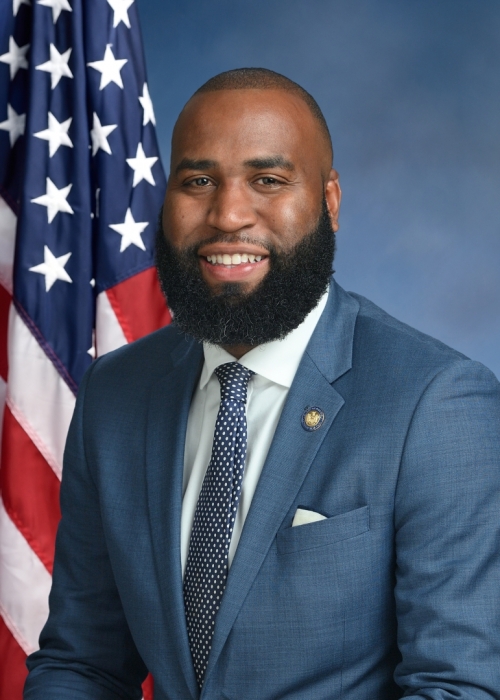
Asm. Brian Cunningham
Sponsored bills
Establishes the baby bucks allowance to provide income to eligible participants for the last three months of pregnancy and the first 18 months of the child's life; excludes income received from the baby bucks allowance for purposes of supplemental nutrition assistance program eligibility.
Establishes a state SNAP minimum benefit program to provide a minimum amount of supplemental nutrition assistance program benefits that is higher than the amount of federal SNAP benefits.
Provides that funds recovered from public authorities for the provision of governmental services and allocated to the independent authorities budget office shall only be used for direct expenses of the authorities budget office and may not be used for fringe benefits and indirect costs.
Maddy summaryThis bill prohibits state-chartered banks from providing financing or investing in landlords who have engaged in specific serious violations against tenants. It directly affects landlords convicted of tenant harassment, fraud, or financial crimes like embezzlement, or those who entered a court settlement requiring over $1 million in tenant restitution, management takeover, or court monitoring. Banks would be barred from funding these landlords' residential properties or securities. The law applies immediately to all new or modified contracts after enactment, targeting financial support for landlords with documented patterns of harming tenants.
Requires persons possessing any firearm to hold a firearms safety certificate; establishes application and training process therefor; makes technical corrections.
Maddy summaryThis bill (A 4101) creates New York's "Save Our Small-Business Grant Program" to provide financial aid to small businesses in the state that suffered pandemic-related hardships. It requires businesses to demonstrate qualifying hardship (like revenue loss) through an application process managed by the Division for Small Business and regional economic development councils. Grants are capped at $50,000 per business, funded by the regional councils, and will stop accepting new applications once the state's economy returns to pre-pandemic levels. The program expires upon the director of the budget's notification of this economic recovery.
Requires high schools in grades nine through twelve to provide a course in financial literacy; requires students to complete such course as a condition of graduation.
Requires all public school districts, charter schools and non-public schools in the state that participate in the national school lunch program or school breakfast program as provided in the national child nutrition act to serve breakfast and lunch at no cost to the student.
Maddy summaryThis bill amends New York's public authorities and economic development laws to expand eligibility for loan assistance to employee-owned businesses. It adds a new loan preference criterion requiring that at least half of a project's membership be from qualifying groups, including lesbian, gay, bisexual, transgender, and non-binary individuals, alongside existing racial/ethnic minority categories. The change directly affects employee groups seeking to purchase shuttering or relocating manufacturing plants through existing state loan programs. Key provisions update definitions to explicitly include LGBTQ+ individuals as part of "minority business enterprise" eligibility under the economic development law. The policy modifies how loan applications are evaluated but does not create new funding.