Authorizes certain persons confined in institutions operated by the department of corrections and community supervision to apply for a sentence reduction.
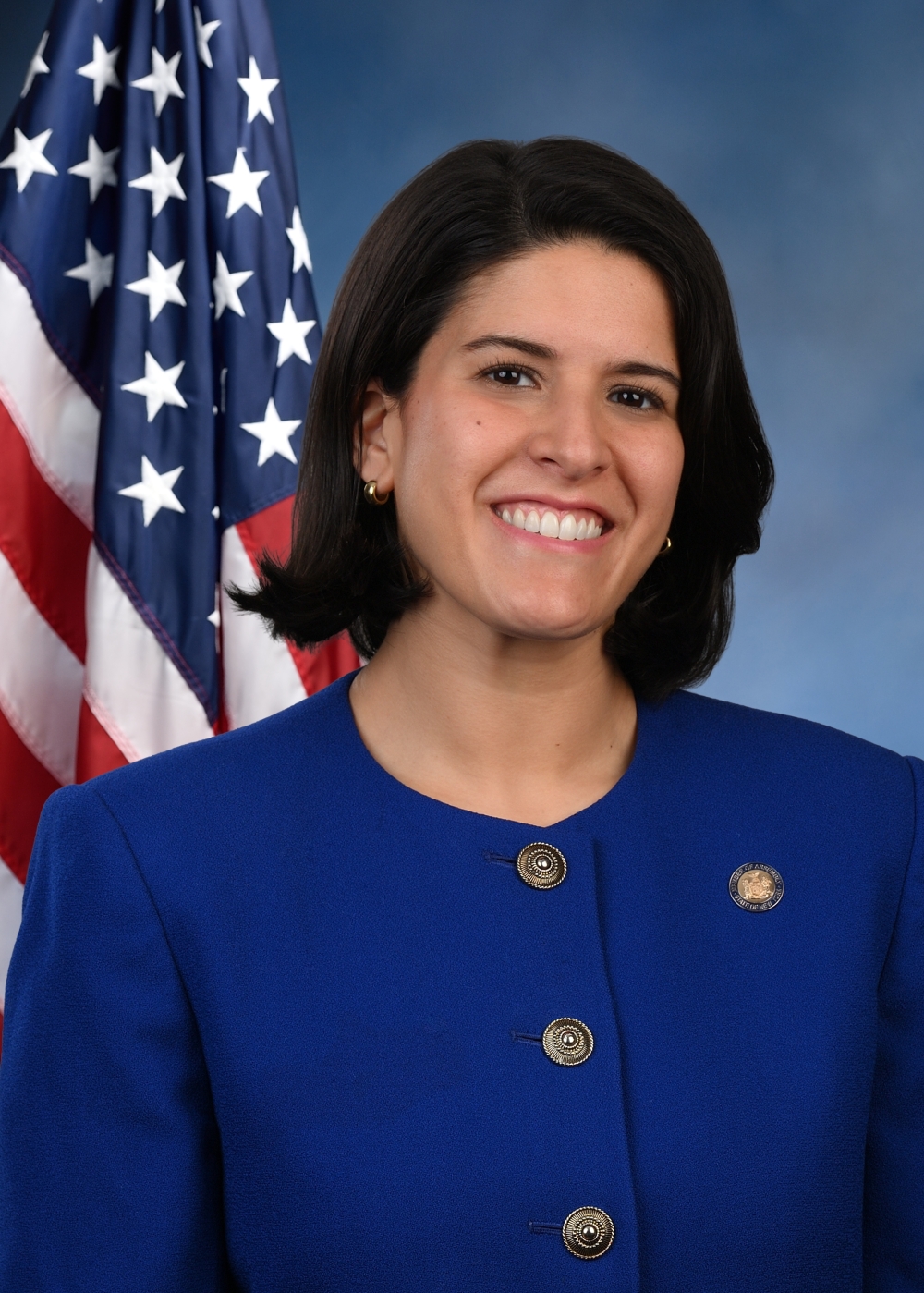
Asm. Gabriella Romero
Sponsored bills
Aligns utility regulation with state climate justice and emission reduction targets; provides for a statewide affordable gas transition plan and utility home energy affordable transition programs; repeals provisions relating to continuation of gas service; repeals provisions relating to the sale of indigenous natural gas for generation of electricity.
Maddy summaryThis bill requires incarcerated individuals in New York state correctional facilities to be paid for labor performed, setting a minimum standard of at least half the state's minimum wage. It directly affects people held in state and local prisons who work in facility operations, community programs, or nonprofit volunteer roles. Key provisions mandate compensation for all work described in the law, including kitchen duties, maintenance, and specialized facility tasks, with pay calculated based on minimum wage standards. The law updates multiple correction law sections to ensure all such labor is compensated fairly, replacing previous unpaid or low-wage labor practices.
Maddy summaryThis bill requires schools to add a checkbox on student registration forms, allowing parents to authorize library cards for their minor children during enrollment. The state education board must create a system to process these requests through the school forms. It directly affects parents, public libraries, and schools by integrating library access into the standard registration process. The law takes effect 120 days after enactment.
Establishes a five-year window for any entity participating in the New York state supportive housing program (NYSSHP) in good standing with such program to participate in a request for proposal to increase their contract rates up to ESSHI levels.
Maddy summaryThis bill adjusts state aid payments to cities in counties with state office buildings built under the 1964 law and the "South Mall contract" (1965). Starting April 1, 2025, the aid amount will be calculated as the prior year's payment multiplied by the annual "allowable levy growth factor" from General Municipal Law, replacing fixed dollar amounts. It directly affects eligible cities receiving these payments, ensuring future aid aligns with a standard growth metric. The change applies to all state fiscal years beginning on or after April 1, 2025.
Maddy summaryThis bill requires New York courts to create an online payment system for people to pay bail, fines, court fees, and other court-related costs using credit cards or similar methods. It directly affects individuals who need to make these payments, as well as courts, county clerks, and police departments handling pre-arraignment bail. Key provisions include allowing a reasonable administrative fee for online transactions, requiring coordination with the state comptroller to ensure proper fund handling, and mandating that police departments be given the opportunity to use the system for bail set by officers. The bill does not change bail amounts or eligibility but streamlines payment processes for existing court obligations.

Relates to parole eligibility for certain incarcerated persons age fifty-five or older if they have served at least fifteen years of their sentence or sentences.
Maddy summaryThis bill repeals Section 2307 of New York's Public Health Law, which previously addressed individuals knowingly infected with venereal disease. The repeal removes legal provisions that could have led to prosecution of people with certain sexually transmitted infections (STIs) who were aware of their status. The law takes immediate effect, preventing any future prosecutions or legal actions under the repealed section. This change directly affects individuals previously covered by this specific public health law provision, though it does not alter other STI-related laws or public health practices.
Maddy summaryThis bill prohibits involuntary servitude and forced labor in all New York state and local correctional facilities, directly affecting incarcerated individuals. It amends the Civil Rights Law to explicitly ban slavery, involuntary servitude, and forced labor for all people in New York - including those convicted of crimes - and adds a new Correction Law section prohibiting any labor compelled through force, threats, or adverse actions (like disciplinary measures). The law makes it illegal for facilities to require labor against an individual's will using coercion or fear of punishment. This represents a concrete legal change to end forced labor practices within New York's prison system.