

Establishes the youth justice innovation fund to make funds available to community-based organizations for services and programs with the purpose of youth development and preventing youth arrest and incarceration.
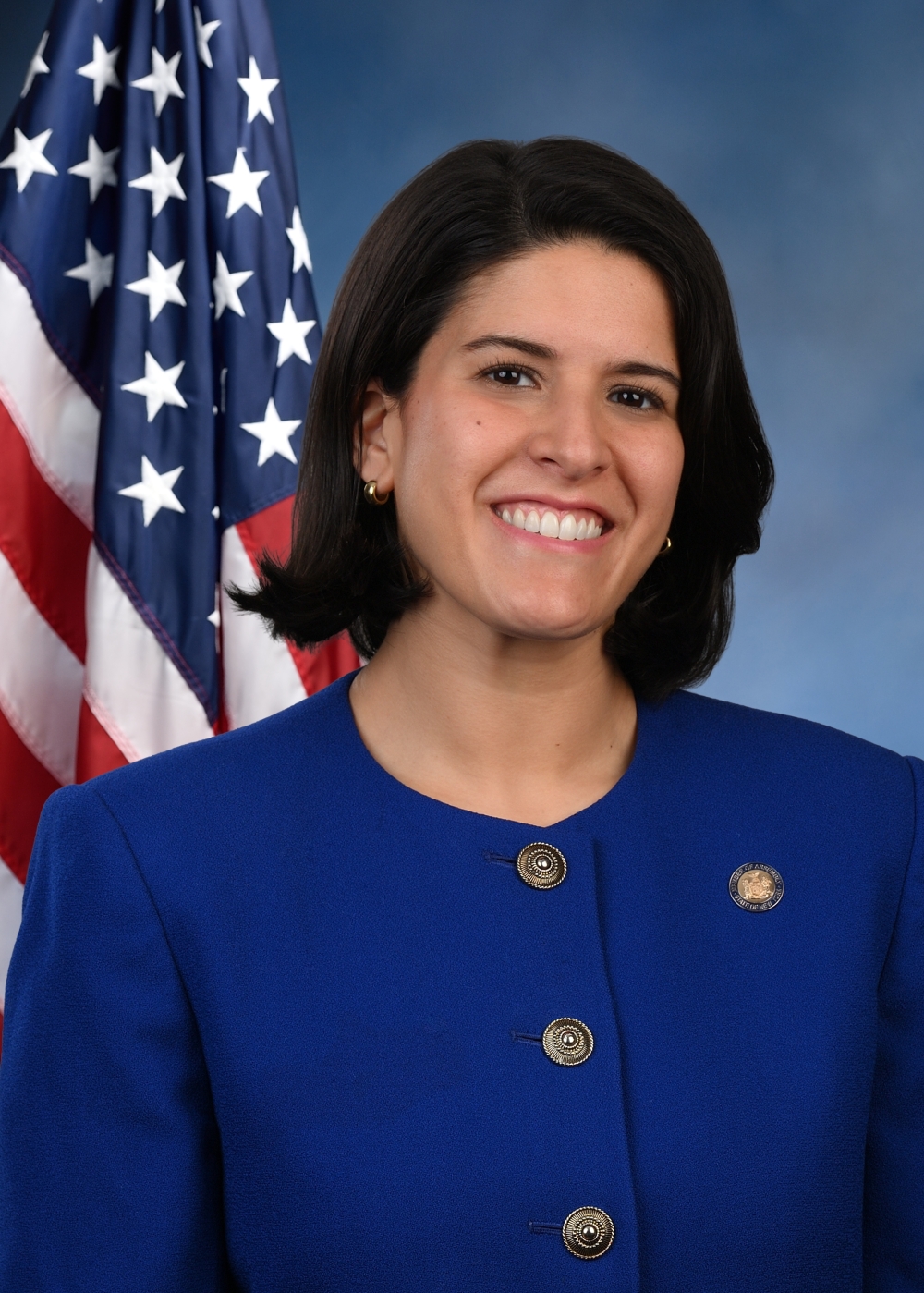
Asm. Gabriella Romero
Sponsored bills
Maddy summaryThis is a ceremonial resolution (not a bill with policy changes) celebrating "Archie the Jr! Archivist," the beaver mascot of the New York State Archives, on April 7, 2025. It recognizes Archie’s role in promoting history education through the "New York Archives Jr!" magazine (distributed to 54 counties) and aligns with International Beaver Day, as beavers are New York’s official state mammal. The resolution symbolically honors the Archives’ educational work but does not create new laws, funding, or obligations. It was introduced and adopted on April 7, 2025, as a gesture of appreciation for the Archives’ public engagement efforts.
Maddy summaryThis bill establishes a regulatory framework for short-term rental units (like Airbnb listings) in most New York localities, excluding New York City and areas that have opted out of registration. It requires hosts to register units, maintain safety features (fire extinguishers, evacuation diagrams), carry $300,000 liability insurance, and comply with local health/safety rules. The law applies to units rented for less than 30 consecutive days for tourist use, while exempting areas with existing registration systems or local bans. It also mandates tax collection on short-term rentals through local jurisdictions.
Maddy summaryThis bill restricts certain harmful chemicals in menstrual products sold in New York State. It prohibits manufacturers from intentionally adding specific substances like lead, mercury, formaldehyde, phthalates, and PFAS (a class of chemicals including Teflon-like compounds) to products such as tampons, pads, and menstrual cups. Starting immediately upon the bill's effective date (12 months after enactment), these chemicals cannot be added as intentional ingredients, with future safety thresholds for remaining traces to be set by health and environmental agencies by 2029. The law applies to all distributors and sellers of menstrual products within New York.
Provides for the protection of health information; establishes requirements for communications to individuals about their health information; requires either written consent or a designated necessary purpose for the processing of an individual's health information.