

Directs the commissioner of corrections and community supervision, in consultation with the commissioner of mental health, to make mental health counseling available to all correction officers and civilian staff in correctional facilities.
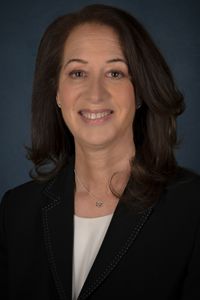
Asm. Paula Kay
Sponsored bills
Provides for the employment of school nurses for the inspection of pupils attending certain public schools; relates to school districts and boards of cooperative educational services.
Provides for state assistance to local governments for the enforcement of fire prevention and building codes using monies paid into the code enforcement account.
Allows a licensed psychologist to apply to the department of education for conditional prescribing certification if the psychologist meets certain requirements; allows the department of education to waive certain requirements for an applying psychologist; provides that a conditional prescribing certification shall be valid for a period of two years.
Maddy summaryThis bill changes how community supervision (probation or parole) is handled for certain violations. It requires individuals on supervision to be sent back to jail for violations involving specific serious conduct, including kidnapping, coercion, firearms offenses, dangerous weapons, and sex offenses. Minor technical violations like missing curfew, using alcohol/drugs (unless related to DUI), or failing to report job changes will no longer result in jail time. Instead, the bill sets clear limits: no jail for first two violations, up to 30 days for repeated violations, and mandates jail for violations posing serious harm. It directly affects people on community supervision who commit these specific types of violations.
Requires municipal officials to attempt to identify and notify the owners of a deceased dog or cat recovered on public roads by such municipal employees.
Maddy summaryThis bill limits health care workers, including nurses and unlicensed assistive personnel, to their regularly scheduled work hours without mandatory overtime. Exceptions allow longer shifts only during declared emergencies (like natural disasters or public health crises), federal/state emergency declarations, or when completing an ongoing medical/surgical procedure. It specifically excludes doctors, residents, and security staff from this definition. The law aims to protect patient safety by preventing excessive staff fatigue through concrete scheduling limits. Employers cannot use on-call time to bypass these restrictions.
Maddy summaryThis bill (A 253) requires the state's Office of Addiction Services and the Department of Health to submit quarterly reports on the opioid stewardship fund. The reports must include the fund balance, disbursements each quarter, and detailed information about recipients (names, addresses, and amounts awarded) and providers (names, addresses, and amounts received). It directly affects state agencies managing opioid settlement funds and ensures public transparency about fund distribution. The reporting mechanism mandates cumulative data tracking alongside each quarterly submission. This is a transparency measure with no new funding or policy changes.
Maddy summaryBill A 6555 requires the state to keep the identities of state lottery winners anonymous if the winner requests it. This bill allows lottery winners to prevent the public disclosure of their name, address, or other identifying information. It also prohibits the state lottery division from requiring winners to participate in public actions related to collecting their prize money. Winners must be notified of this option, and their information will not be publicly disclosed for at least 30 days after this notification if they make the request.
Increases the minimum wage outside of New York city and the counties of Nassau, Suffolk, and Westchester; repeals certain provisions of law relating to exceptions to minimum wage increases.