

Maddy summaryThis bill (A 10080) expands residency options for correction officers working at local correction facilities or sheriff's departments in New York. It allows officers to live in: (1) their facility’s county, (2) a contiguous New York county, (3) a county in a neighboring state, or (4) a county in a neighboring state within 45 miles (measured by nearest boundaries). This change removes current restrictions requiring officers to reside within the specific political subdivision where they work. The bill directly affects correction officers employed by local facilities, enabling them to live more flexibly near their workplace.

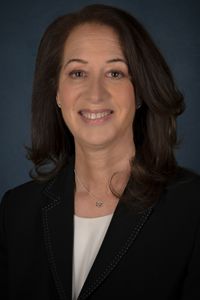
Rep. Paula Kay
Sponsored bills
Authorizes the use of body imaging scanning equipment in certain facilities for youth and adolescent offenders placed with or committed to the office of children and family services.
Enacts the "New York fundamental artificial intelligence requirements in (FAIR) news act"; provides transparency requirements for news media content composed, authored, or otherwise created through generative AI.
Requires the court to consider a child's health and safety when making a decision regarding child custody and visitation; directs the court to review certain information as it relates to allegations of child abuse, domestic violence and child safety.
Maddy summaryThis bill allows camp operators and staff to give children over-the-counter or prescription medications during emergencies like asthma attacks, anaphylaxis, or seizures. It directly affects children at overnight, summer day, or traveling summer camps, as well as the camp staff who may administer care. The key provision requires parent or guardian authorization and compliance with health department rules, ensuring staff act under parental direction during medical emergencies. It amends public health and education laws to clarify this authority without creating new requirements for camps.
Directs electric corporations and combination electric and gas corporations to file a cost-effectiveness and timetable analysis as part of any base rate proceeding with the public service commission; directs NYSERDA to conduct a study on the effectiveness of advanced transmission technologies.
Maddy summaryThis bill amends New York's criminal procedure law to require psychiatric examiners to specifically assess whether "restoration services" could realistically restore a defendant's competence to stand trial within a reasonable timeframe. Restoration services include medication support, competency instruction, mock trials, and symptom management designed to help defendants understand charges and participate in their defense. It directly affects defendants deemed "incapacitated" (unable to understand proceedings due to mental health issues) during criminal trials. The law mandates examiners include this assessment in their reports, clarifies what constitutes "appropriate institutions" for providing services, and defines restoration services as distinct from general mental health treatment.
Places a one year moratorium on the issuance of data center permits; requires utilities to establish an independent classification of service for large data centers; sets energy efficiency goals for data centers; provides for benefits for host communities; sets labor standards for the construction of data centers.
Directs NYSERDA to issue a request for proposals to identify cities, towns, or villages that are interested in participating in municipal-level energy efficiency and weatherization pilot projects to help decrease residential energy usage and reduce future capital costs for utilities; directs NYSERDA to identify three pilot areas focusing on the ability to replicate projects elsewhere and the costs and benefits to ratepayers both in the affected area and in the rest of the utility service territory.
Prohibits falsely impersonating an employee organization or an employee representative with the intent to deceive the recipient and thereby cause harm to such recipient or employee organization by the use of fraud, misrepresentation, material omission, or other deception in making and disseminating a verbal, written or electronic communication; provides that the attorney general may bring an action or proceeding to enjoin such unlawful acts or practices.